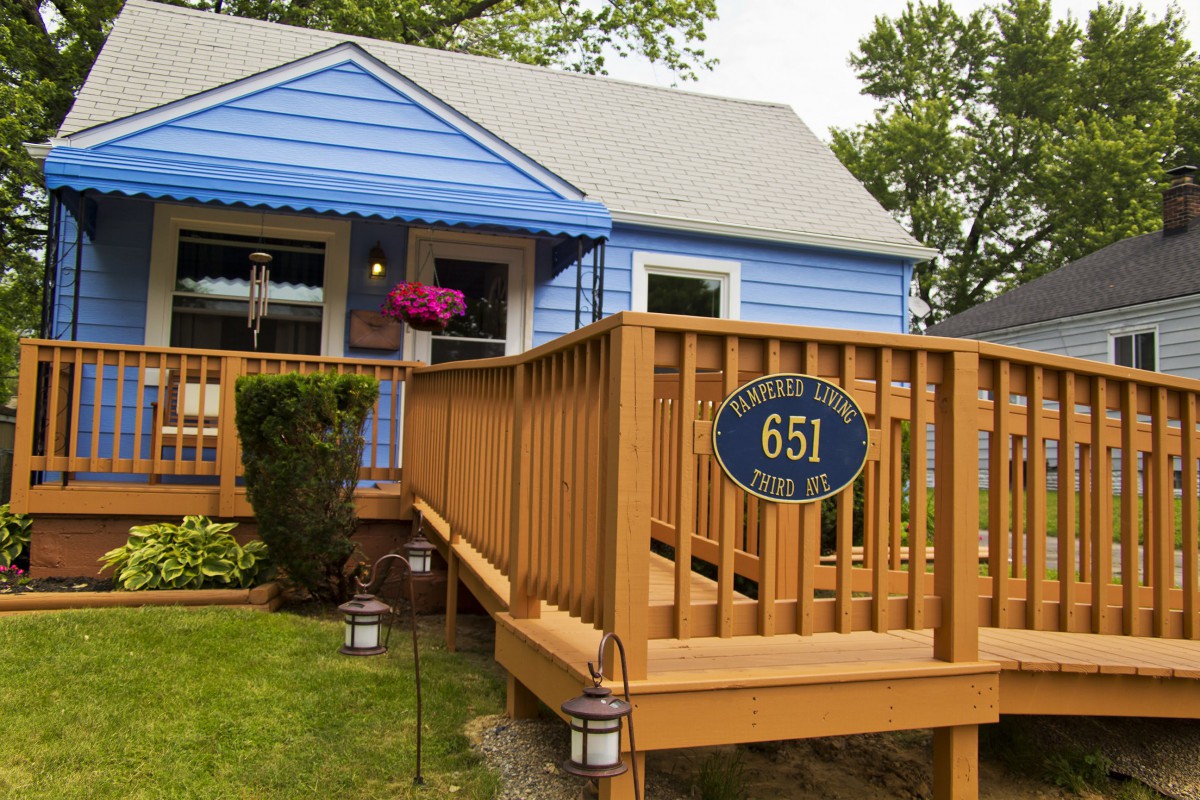




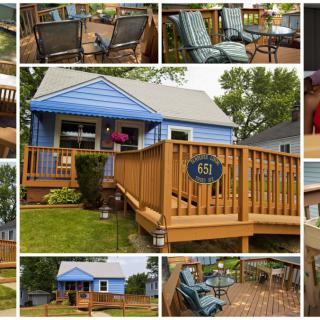
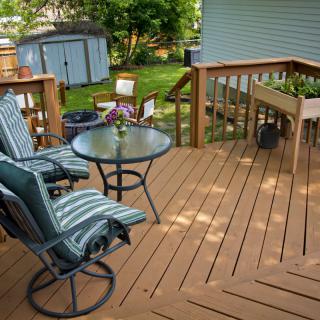

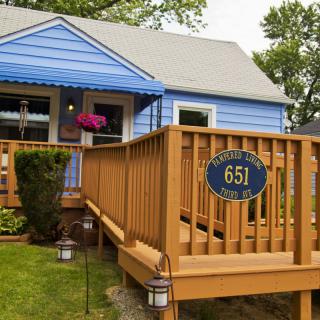
651 3rd Ave, Pontiac, MI 48340
To contact a resident: (248) 783-6232
For more information about senior living options: (866) 208-4318
Pampered on Third Costs & Pricing
Pampered on Third offers a competitive pricing structure for its private rooms at $2,500 per month. This rate is significantly lower than the averages found in both Oakland County and across the state of Michigan, where costs run approximately $3,708 and $3,675 respectively. By providing a more affordable option without compromising on quality, Pampered on Third positions itself as an appealing choice for those seeking premium care solutions. This strategic pricing not only enhances accessibility for residents but also reflects a commitment to value in the senior living landscape.
| Floor plans | Pampered on Third | Oakland County | Michigan |
|---|---|---|---|
| Private | $2,500 | $3,708 | $3,674 |
Senior living communities with a similar price nearby
-
from -$305 / mo

Simply Beautiful Adult Foster Care Homes
$2,195 to $4,100 / month15.3 miles away -
from +$100 / mo
Angelic Foster Care
$2,600 to $3,380 / month16.6 miles away -
from +$400 / mo

Metacare Inc
$2,900 to $3,300 / month19.0 miles away -
About the same

Oakmont Manor
$2,455 to $2,780 / month11.0 miles away -
from +$200 / mo
Home Helpers and Direct Link
$2,700 to $3,000 / month15.5 miles away
Overall Review of Pampered on Third
Pros
 The aides are described as super nice.
- The Johnsons are great people.
- They worked with the family on finances.
- They helped the resident stay social and engaged by taking her to mingle with other seniors.
- They were very responsive and stayed with her when she needed to go to the hospital, ensuring she could go to the hospital she wanted.
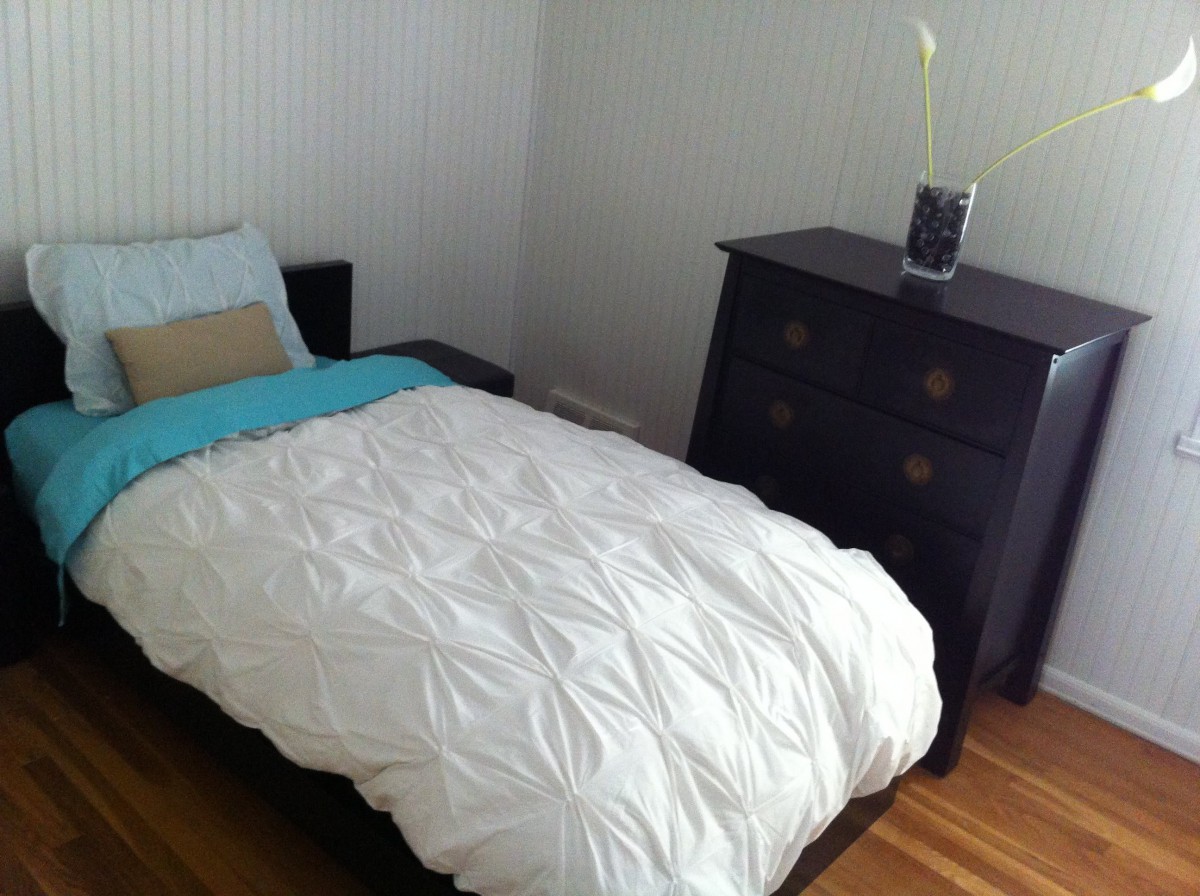
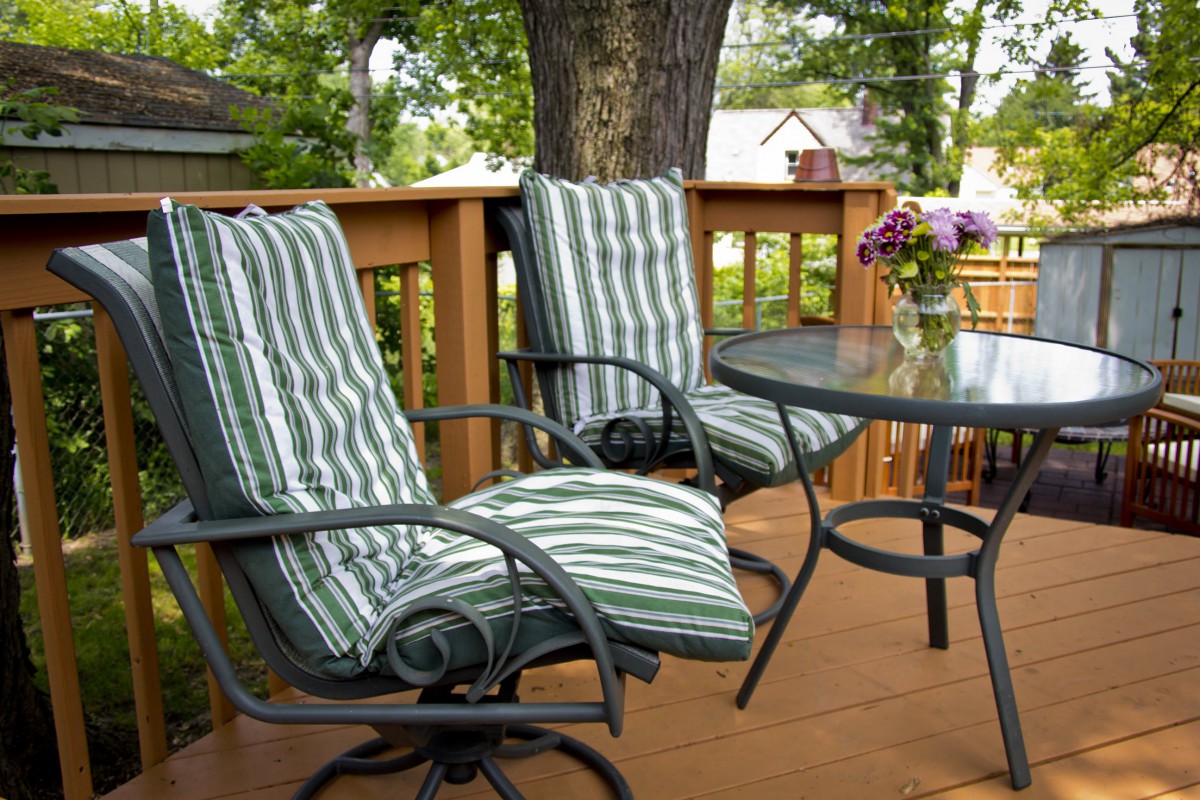
- The setting feels smaller and quaint, like living in a house.
- The place has a homey atmosphere, with a small kitchen and the owners living downstairs.
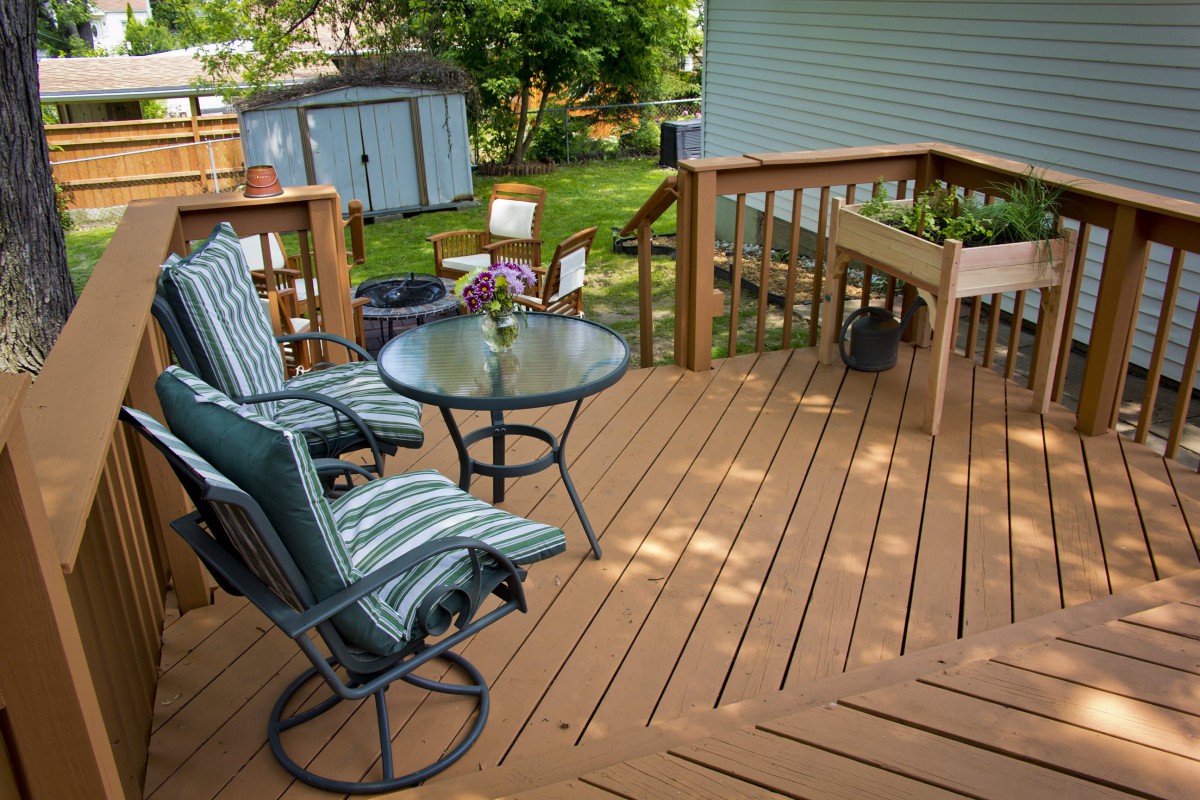
- The herb garden on the patio allows residents to tinker.
- The meals are home cooked, and fresh vegetables are sometimes provided.
- The house, the owner, and the location are loved.
Cons
 The cost is realistically out of the price range.
- They would require additional funds to start at $2,500 if night staffing is needed.
- The night hours would require a midnight staff member because the mom is more active between 11 p.m. and 7 a.m. with bathroom needs.
- The mom frequently urinates during the night.
- She needs help with multiple daily tasks such as dressing, bathing, food prep, and doctor appointments.
Review
This community is best suited for seniors who want to live in a true, home-like setting rather than a glossy, institutional environment. Pampered on Third in Pontiac appeals to families seeking intimate, house-style care where the owners are visibly involved, the pace is calmer, and neighbors mingle in a small-kitchen, garden-backed atmosphere. It works well for residents who need help with daily tasks, dressing, bathing, meal prep, appointments, but who still value personal attention, flexibility, and a social routine shaped by caring staff. The experience is crafted around warmth and continuity: aides who know residents by name, a kitchen that smells like home cooking, and a patio herb garden where residents can tinker. For families, the combination of responsive, hands-on staff and the sense of living in a family-owned house creates feel-good security and regular, human-scale engagement.
However, this is not a fit for every situation. Those requiring around-the-clock skilled nursing, formal medical oversight, or robust, overnight supervision will likely need alternatives. The pricing is a practical barrier for many budgets, with a starting figure around $2,500 and the potential for substantially higher costs if night staffing is needed. That night staffing requirement is not spelled out, but the implication is clear: overnight coverage may push the monthly bill up significantly. For seniors with frequent nocturnal needs or complex medical regimens, a larger community with established nursing staff and predictable overnight care would be a more prudent choice. The intimate, homey setup comes at the cost of less visibility into standardized care protocols and less structural redundancy.
On the upside, the pros are tangible and deeply meaningful for daily quality of life. The small-house feel, the owners living downstairs, and the attentive aides translate into quick responses, ongoing social opportunities, and a sense of belonging that larger places struggle to replicate. The care team demonstrated flexibility on finances and coordinated social outings, which helps maintain dignity and independence while staying socially connected. The hospital-stay support described, where staff accompany and advocate through a hospital visit, offers a rare layer of continuity that can be a huge relief for families. Home-cooked meals and fresh vegetables add to daily enjoyment, while the herb garden invites simple, meaningful activity. Taken together, these strengths can make a meaningful difference in mood, engagement, and perceived safety, especially for seniors who prize a nurturing, familial environment.
Yet the same strengths illuminate the main challenge: scale. The homey model naturally lacks the predictable, institution-like infrastructure that some families expect, think 24/7 nursing presence, formal incident reporting, or a broader slate of built-in activities and transportation options. The price tag compounds this concern: if a night shift becomes necessary, the cost can become prohibitive, and the exact amount beyond the starting rate isnā€™t specified. In practical terms, this means worries about overnight safety and coverage, checks on medications, and timely assistance during the night may not be as secure as in larger communities. For a resident whose needs ebb and flow between day and night, this gap is a real and costly consideration.
What to do next is straightforward. Request a detailed, line-by-line care plan that specifies nightly hours, tasks covered, and any medical oversight. Obtain a transparent, itemized quote that separates base rate, overnight staffing, meals, and any ancillary services. Ask to meet the aides who would be assigned to the loved one and to observe a trial day that includes meals and a social period. Verify licensing, safety measures, and policies for hospital transfers. If possible, observe how the owners interact with residents and families, and check references about consistency and reliability over time. These steps ensure the warmth of the environment is matched by clear expectations around care and cost.
In sum, Pampered on Third is a compelling choice for families prioritizing a home-like, intimate atmosphere with responsive, personable care and a genuine sense of community. It offsets many concerns through staff dedication, social engagement, and flexible relationship-driven management, but it is best suited for those with moderate assistance needs and a budget that accommodates potential overnight staffing. For residents with significant medical complexity, or for families seeking highly predictable pricing and comprehensive 24/7 nursing oversight, alternatives that offer larger scale and more defined overnight coverage are worth pursuing. The right fit hinges on balancing the value of a warm, neighborly home with the practicality of ongoing, medically aligned support.
 Board and Care Home
 Activities off-site
 Bath tubs
 Devotional services off-site
 Indoor common areas
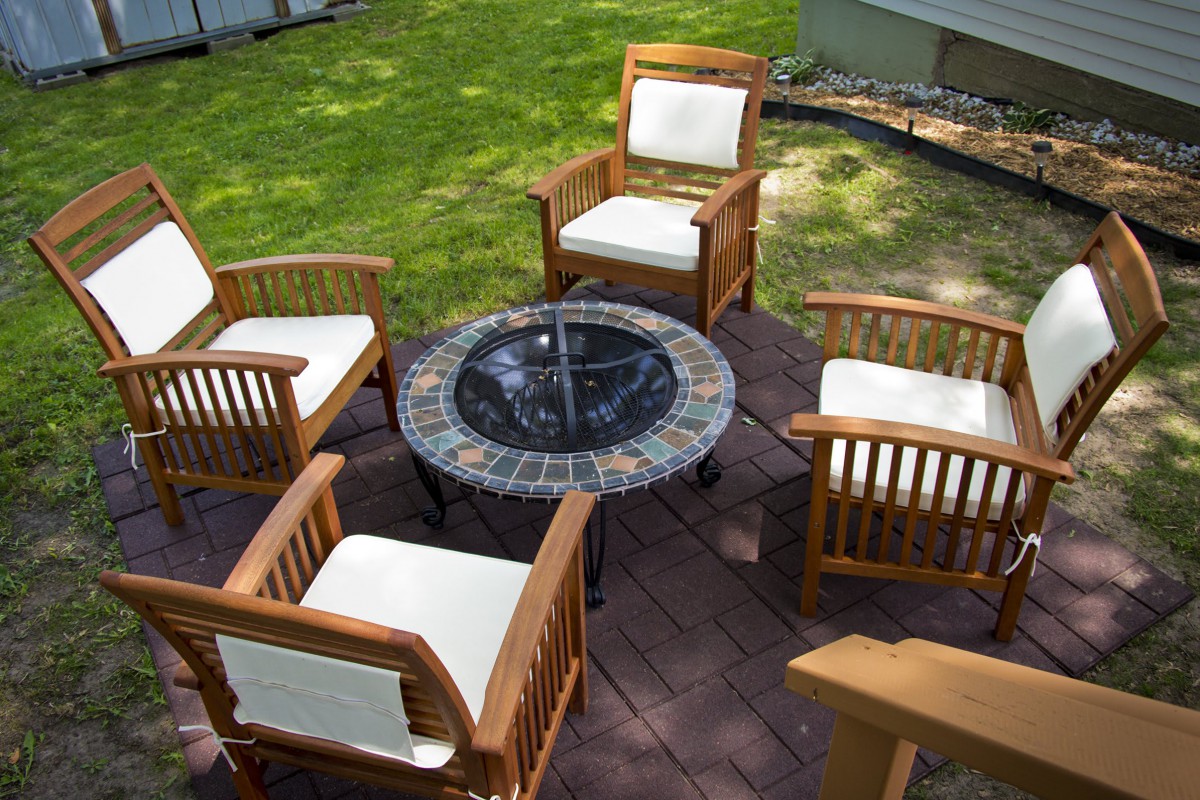
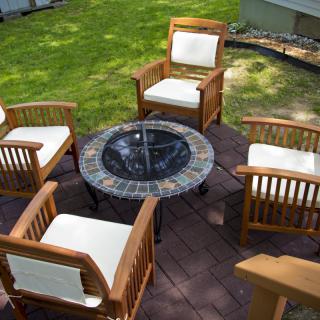
 Outdoor common areas
 Private
 Private bathrooms
 Wheelchair accessible showers
 Ambulatory care
 Diabetic care
 High acuity care
 Incontinence care
 Medication management
 Kosher



 Understanding the Nuances of Palliative Care and Hospice: A Comprehensive Exploration
 Is In-Home Healthcare Tax Deductible? Your Comprehensive Guide
 Nurturing Well-Being Through Gardening: A Detailed Guide for Senior Enthusiasts