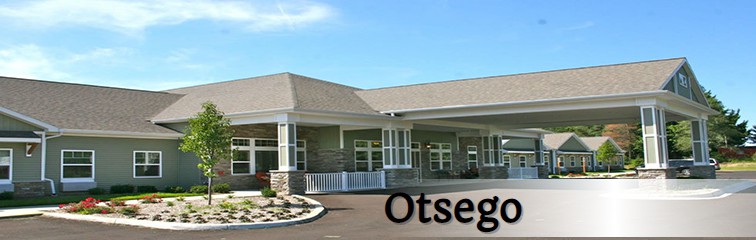
700 Eley Street, Otsego, MI 49078
For more information about senior living options: (866) 208-4318
Overall Review of Vicinia Gardens Of Otsego
Pros
 The staff are amazing.
- The residents are amazing.
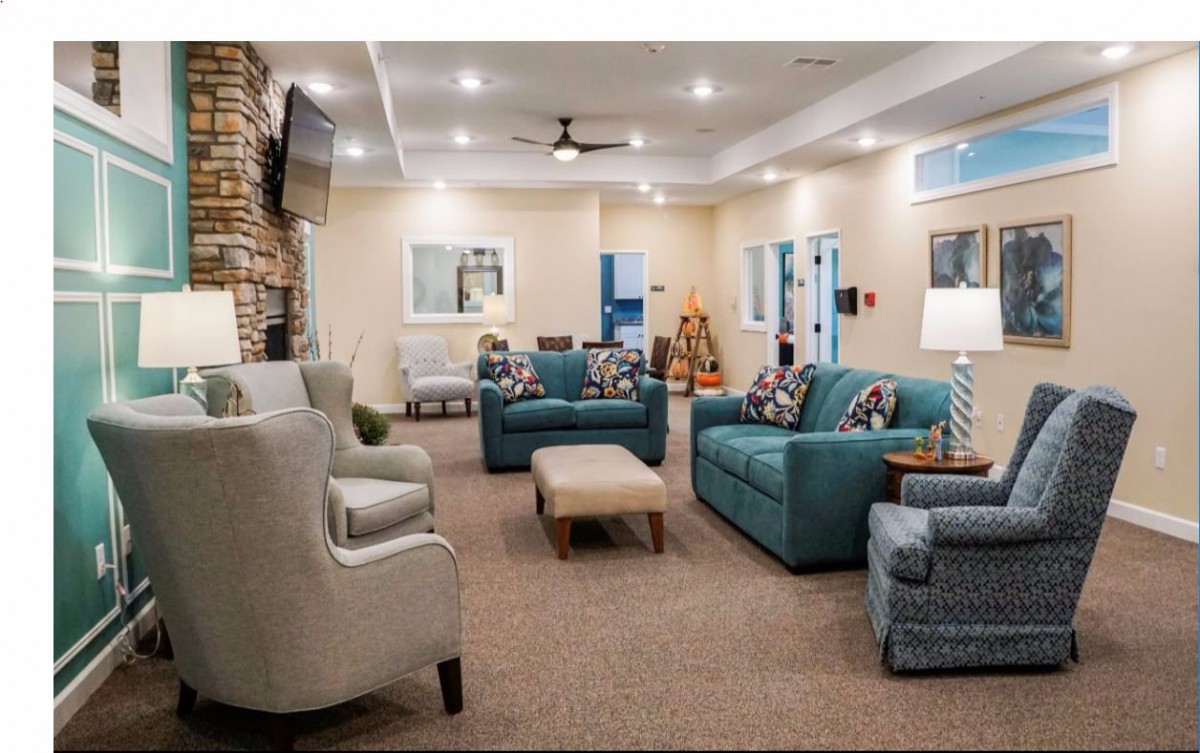
- There is a warm and welcoming atmosphere.
- The employees are great.
- There are tons of activities.
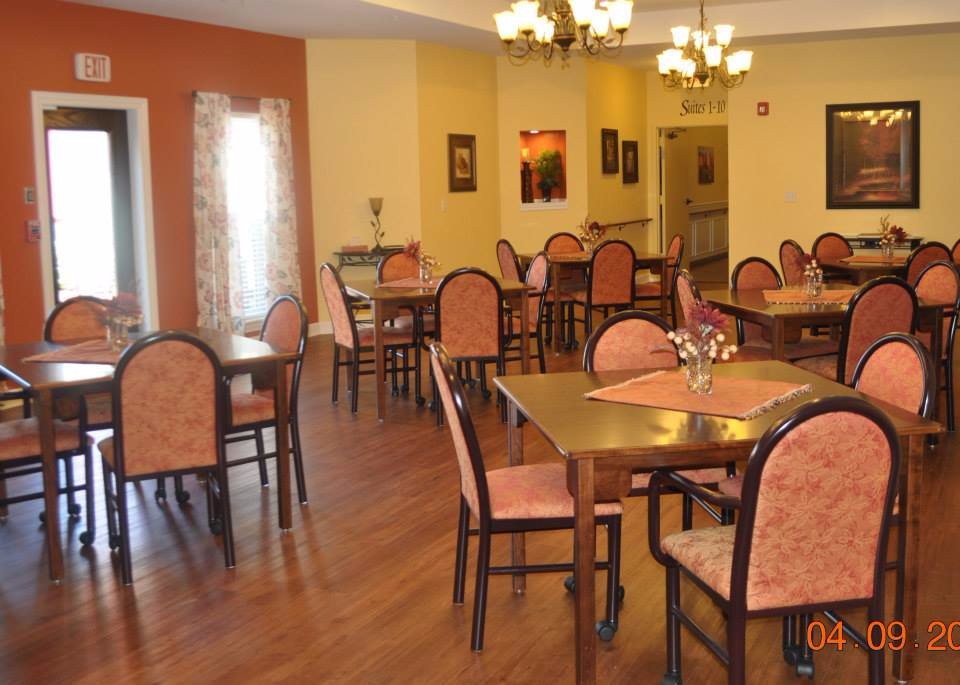
- The food is great.
- It is a great place for loved ones to live and visit.
- Vicinia Gardens provides comfort and caring during a loved one's final hours.
- The staff at Vicinia Gardens offer support and compassion to families.
Cons
 The management is a joke.
- The workers are awful.
- The facility needs to be shut down by the state.
Review
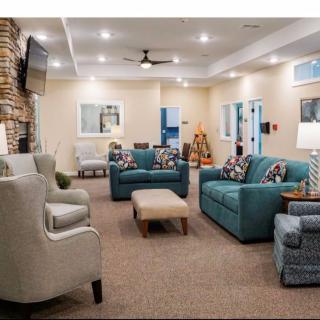
Vicinia Gardens Of Otsego is best suited for seniors who want a warm, home-like, socially active assisted living environment where frontline staff relationships shape daily life. Families that value personal interactions, regular caregiver engagement, and a true sense of community will find this setting especially appealing. The residents are frequently described as friendly and engaged, with an atmosphere that feels welcoming to visitors and easy for loved ones to pop in for a chat or a meal. The calendar is packed with activities, and the meals are commonly praised as appealing and well prepared. For seniors who want to stay socially connected, maintain routines, and enjoy a degree of independence within a supportive, residential feel, this community often delivers what matters most.
Who may want to consider alternatives? If leadership stability and consistent staffing are essential in choosing a facility, this community warrants deeper questions. Some reviews flag management as a problem and describe turnover or oversight gaps that could affect policy enforcement or prompt response times. Prospective families should verify who is running the place, how schedules and chores are assigned, and whether there is transparent escalation for concerns. For residents with higher medical needs, memory care requirements, or acuity that demands frequent clinical oversight, this site may not be the strongest fit compared with facilities specializing in those levels of care. In those cases, alternatives with specialized staff and clearer governance structures deserve serious consideration.
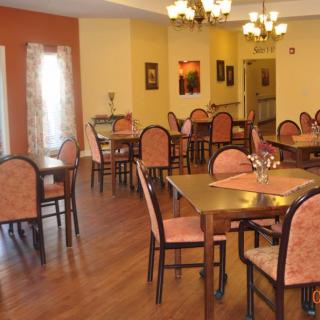
Key positives consistently cited include extraordinary staff dedication and genuine, welcoming residents, creating a warmth that makes the community feel like a true home. Frontline caregivers are repeatedly described as kind, attentive, and capable, with families praising the care team for going the extra mile. The activity calendar is robust, offering enrichment opportunities that keep residents socially engaged and mentally stimulated, while the kitchen earns praise for meals that feel restaurant-quality rather than institutional. The home-like setting enhances comfort, reducing the stark clinical feel common in some rivals. For many families, these human-centered strengths can translate into reliable daily quality of life, meaningful interaction, and peace of mind during visits or overnight stays.
Yet the flip side centers on management and consistency concerns raised in a subset of reviews. Descriptions of leadership as unreliable or ineffective and negative notes about staffing quality introduce a real caveat: day-to-day experience can hinge on who is directing operations and how well those directions are implemented at the front line. These comments do not negate the visible warmth of staff in many cases, but they do suggest potential gaps in communication, accountability, or resource allocation that families must probe during tours. Prospective residents should press for current staffing ratios, intro meetings with administration, and a clear plan for addressing resident feedback. Without visibility into governance, the risk that quality wavers remains a critical factor to weigh.
How the strong elements of care and culture offset the concerns depends on individual priorities. If the core need is daily companionship, predictable routines, and a lively activity scene, the environment can deliver consistently despite some leadership questions on paper. Oral anecdotes about end-of-life support also illustrate a compassionate approach when care moments become most meaningful for families, suggesting that at the bedside the team can be exceptionally responsive. Families should verify the cadence of staff transitions and how new hires are integrated, because longevity among caregivers matters as much as the stated philosophy. In practice, the value proposition rests on the chemistry between residents and caregivers and on the ability of management to align to that daily reality.
Bottom-line guidance: Vicinia Gardens Of Otsego is a solid choice for families prioritizing warmth, engagement, and comfort in a home-like setting, with standout day-to-day care delivered by attentive staff. It is less certain for those who demand flawless, stable governance or specialized memory or higher-acuity medical support. Conduct thorough on-site tours, meet the administrator, and request a current staffing report and a sample care plan before deciding. If governance questions persist, compare with nearby facilities that emphasize steady leadership and proven clinical oversight. For families who can align with the community’s strengths and are prepared to monitor leadership dynamics, Vicinia Gardens offers a compelling balance of heart, activity, and practical care.
 56 resident community capacity
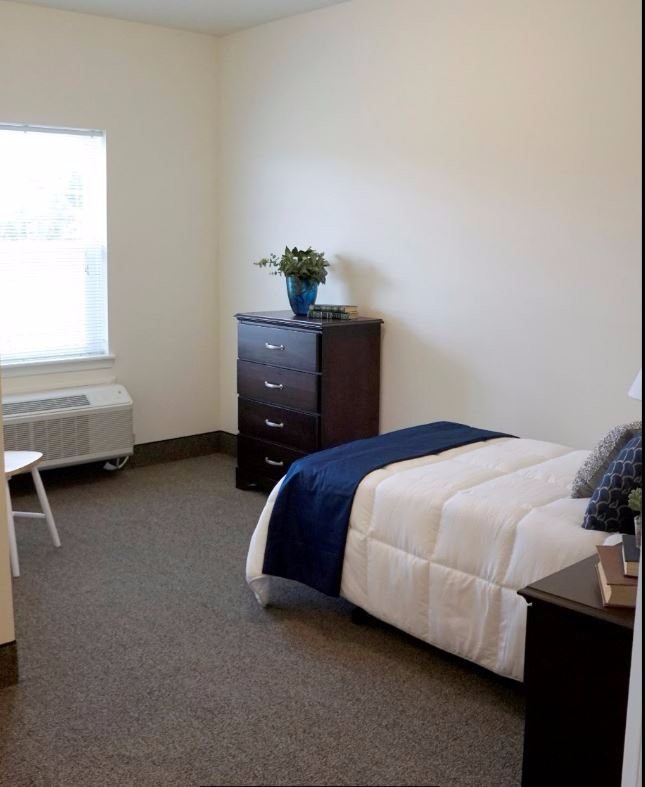
 Studio apartments
 Assisted Living
 Memory Care
 Air-conditioning
 Beautician on-site
 Cable or satellite TV
 Computer center
 Dining room
 Fitness room
 Fully furnished
 Gaming room
 Garden
 Guest parking
 Hiking trails
 Housekeeping services
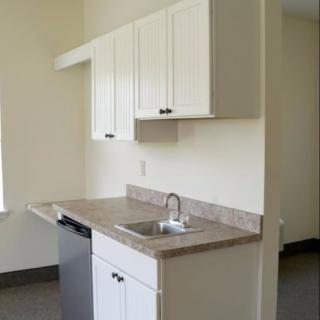
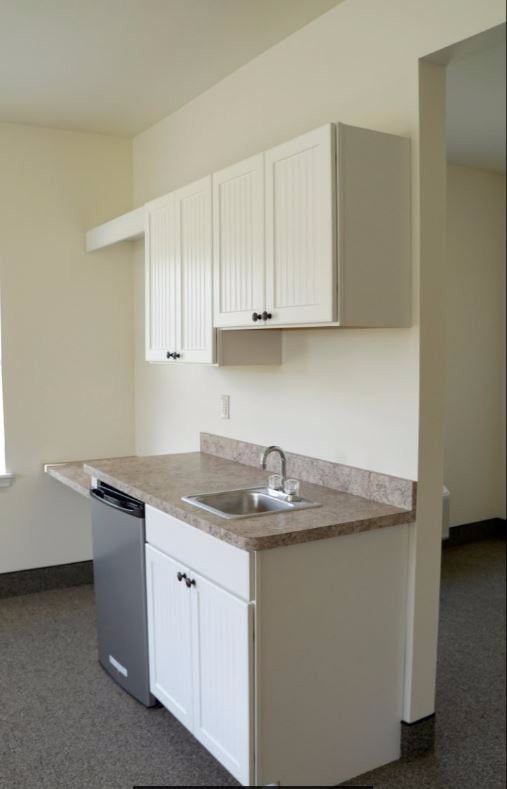
 Kitchenette
 Laundry
 Move-in coordination
 Outdoor space
 Party space
 Private bathrooms
 Respite or short term stays offered
 Restaurant-style dining
 Small library
 Spa
Spa Telephone
 Wi-Fi/high-speed internet available
 Kalamazoo County (16 miles away)
 Community operated transportation
 12-16 hour nursing
 24-hour call system
 Activities of daily living assistance
 Assistance with bathing
 Assistance with dressing
 Assistance with transfers
 Diabetes diet
 Medication management
 Mental wellness program
 Special dietary restrictions
 Arts and crafts
 Concierge services
 Games
Games Live musical performances
 Planned day trips
 Religious services


 8 Key Indicators That Suggest It May Be Time to Transition from Assisted Living to Skilled Nursing Care
 Nourishing the Mind: Essential Dietary Approaches for Dementia
 Understanding Dementia Behaviors: Practical Insights and Strategies for Caregivers