
2736 Abes Lane, Ortonville, MI 48462
For more information about senior living options: (866) 208-4318
Jolene's Country Home Costs & Pricing
Jolene's Country Home offers competitive pricing for its residents, particularly when compared to the average costs in Oakland County and the broader state of Michigan. For a semi-private room, Jolene's accommodations are priced at $2,600 per month, which is significantly lower than the county average of $3,204 and the state average of $3,191. Similarly, those opting for a private room will find a cost of $3,000 at Jolene's, again more affordable than the county rate of $3,708 and the state figure of $3,675. These attractive rates not only highlight Jolene's commitment to providing value but also ensure that quality care remains within reach for families seeking supportive living options in a nurturing environment.
| Floor plans | Jolene's Country Home | Oakland County | Michigan |
|---|---|---|---|
| Semi-Private | $2,600 | $3,204 | $3,189 |
| Private | $3,000 | $3,708 | $3,674 |
Assisted Living communities with a similar price nearby
-
from -$95 / mo
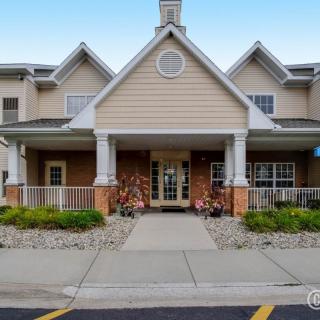
Devonshire Retirement Village
$2,505 to $4,500 / month15.8 miles away -
from +$400 / mo

Vicinia Gardens Transition
$3,000 to $4,500 / month15.8 miles away -
from -$325 / mo
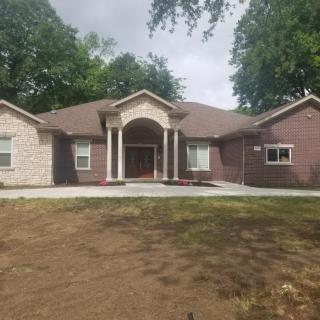
Pleasant Valley Family Care
$2,275 to $7,000 / month22.8 miles away -
from +$400 / mo
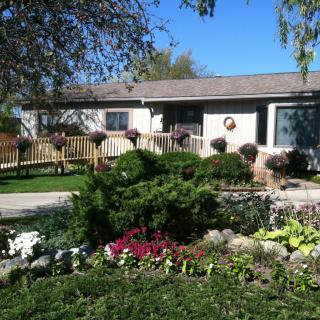
Peaceful Manor
$3,000 to $4,000 / month24.7 miles away -
from +$400 / mo
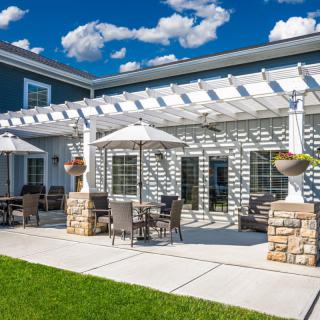
Provision Living at Fenton
$3,000 to $5,750 / month16.8 miles away
Overall Review of Jolene's Country Home
Pros
 The family is very nice and runs a beautiful home.
- The mother loved this family and everything they did for her.
- The caregiver is regarded as the best.
- The caregiver keeps the place and residents clean and is a great cook.
- Homemade soups are prepared during the winter.
- The residents eat what the family eats, with accommodations for differing needs.
- Pricing is affordable for what they offer as a Family Care Home.
- The husband-and-wife team provides personalized care in a small setting (three residents max).
- They arrange activities and outings, such as trips to the Senior Center for Bingo and visits to church.
Cons
 They found the price range for a single room to be a drawback.
- They felt the operation was perhaps too business-oriented for their taste.
Review
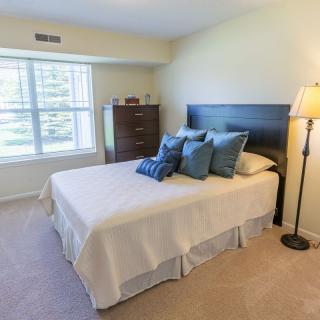
Jolene's Country Home in Ortonville is best suited for families seeking a truly home-like atmosphere and exceptionally close, hands-on care without the clinical buzz of a larger community. This husband-and-wife–operated setting caps care at three residents, delivering daily attention with steady routines that feel like family life. Residents enjoy home-cooked meals, often prepared by the caregivers, and a rhythm that prioritizes comfort, familiarity, and personal connection. For seniors who do not require formal memory-care programming, the intimate scale and visible dedication create a compelling, low-disruption option that many families crave when the goal is steady companionship and consistent care.
The strongest positives flow from the setting’s small size. With three residents, the caregivers can tailor every day to individual preferences, triggers, and needs, generating a level of responsiveness rarely found in larger facilities. The continuity provided by a husband-and-wife leadership team translates into dependable communication and fewer staffing handoffs, which reduces confusion for residents and families alike. Cleanliness and homelike detail stand out, from the well-kept spaces to the quality of meals, including homemade soups that become a comforting staple in winter. Social opportunities come through local activities, Senior Center visits, Bingo, and church outings, delivered in a way that preserves dignity and fosters meaningful connection.
Yet the arrangement carries clear caveats that must inform the decision. The facility operates as a private home rather than a conventional assisted-living community, and that distinction matters when memory-care needs or more formal clinical oversight become relevant. One reviewer noted a tendency toward a businesslike atmosphere, which can feel at odds with the intimate, family-focused vibe some families expect. Pricing clarity is imperfect, particularly regarding single-room options, making it harder to compare value against more transparent, facility-based pricing structures. For families focused on dementia care or who require structured, dementia-specific programming, this configuration may fall short of expectations.
These drawbacks do not erase the advantages, but they do shift the decision criteria. The intimate, highly personalized care can offset the lack of memory-specialized programming for residents who do not require such services, especially when a stable routine and familiar caregivers reduce anxiety and behavioral challenges. The same small scale that inspires trust can also limit access to contingency staffing and on-call medical support, which matters if health status shifts suddenly. In practical terms, families should assess how critical memory care, on-site clinical oversight, and clear, ongoing pricing are to their loved one’s plan and whether Jolene’s meets those minimums without compromising the quality of daily life.
When evaluating Jolene's Country Home, the practical move is to visit with a precise checklist: verify licensing status and the scope of memory-care offerings, meet the caregivers to gauge affinity, and observe how meals, activities, and routines unfold in a typical day. Inquire about medication management, staff training in dementia care (if relevant), and what escalation looks like should needs intensify. Ask for transparent, itemized pricing for single-room occupancy and what services are included. Consider the resident’s personality and care requirements, would they thrive in a quiet, family-run setting, or would they benefit more from a larger, professionally structured memory-care environment with established programming?
In sum, Jolene's Country Home stands out for families prioritizing warmth, personal attention, and an extremely intimate living arrangement. It is a strong match for residents who thrive on individualized care and home-like routines, and for families who value a caregiver team that feels like an extended family. It is less suitable for those whose priorities include formal memory care, robust clinical oversight, and transparent pricing for a more institutional setting. For memory-care needs or a more regulated environment, consider alternatives that offer dedicated dementia programming within a small, still intimate community, or larger assisted-living options that provide clear memory-care pathways. The choice hinges on whether the aim is sustained, hands-on attention and a true home atmosphere, or access to formal memory-care services and documented care protocols that a specialized dementia program can deliver.
 6 resident community capacity
 Assisted Living
 Board and Care Home
 Activities off-site
 Bath tubs
 Beautician on-site
 Cable or satellite TV
 Devotional services off-site
 Dining room
 Fully furnished
 Garden
 Housekeeping services
 Indoor common areas
 Move-in coordination
 Outdoor common areas
 Private
 Private bathrooms
 Respite or short term stays offered
 Telephone
 Wi-Fi/high-speed internet available
 Bishop (20 miles away)
 24-hour supervision
 Ambulatory care
 Assistance with bathing
 Assistance with dressing
 Assistance with transfers
 Diabetes diet
 Diabetic care
 High acuity care
 Incontinence care
 Meal preparation and service
 Medication management
 Special dietary restrictions
 Transportation arrangement (medical)
 Transportation to doctors appointments
 BBQs or picnics
 Birthday parties
 Cooking classes
 8 Key Indicators That Suggest It May Be Time to Transition from Assisted Living to Skilled Nursing Care
 Vibrant Senior Living: A Comprehensive Guide for Active Older Adults
 When to Transition from Assisted Living to Memory Care: Key Indicators, Steps, and Finding the Right Community