
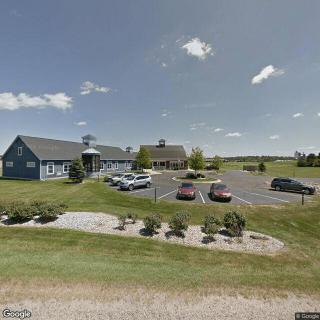
1521 Miller Highway, Olivet, MI 49076
For more information about senior living options: (866) 208-4318
Overall Review of Family Matters Adult Foster Care Home
Cons
 The review claims the facility does not allow family to drop in and visit loved ones at any time.
- It states residents' cell phones have been taken away, preventing them from contacting family.
- It asserts meals only include water, with no milk choices or juices available.
- It claims attire is not provided for residents due to weight loss.
- It alleges there are no battery replacements offered for hearing aids.
- The review asserts that the author used a fake account and had never visited the home.
Review
Family Matters Adult Foster Care Home in Olivet, MI is best suited for a senior who wants a true home-like setting with hands-on, personal attention from a small caregiver team. This arrangement tends to work best for residents who need help with daily activities, medication reminders, and regular supervision but do not require the level of skilled medical care found in larger assisted-living campuses. It suits families that value direct access to caregivers, predictable routines, and a low‑stimulus, intimate environment where staff can notice small changes quickly. Those who thrive on privacy, familiar faces, and a less institutional atmosphere will likely find the pacing comfortable and reassuring.
On the flip side, families with loved ones who require around-the-clock medical oversight, complex wound care, or frequent physician interventions may want to explore alternatives. The setting’s small scale means fewer on-site specialists and a more limited range of therapeutic offerings than larger facilities. Open, easily facilitated family involvement can be critical, and if a resident’s needs extend into memory care or advanced mobility support, another option with more comprehensive medical staffing could be a wiser match. Additionally, transparency around visitation and daily communication matters; families should verify current policies directly with the home before committing.
Two highly favorable accounts emphasize warmth, responsiveness, and a genuine home atmosphere, suggesting a caregiver-to-resident dynamic that can yield strong daily oversight and meaningful interpersonal connections. In practice, the advantages of this model include quicker adaptation to a resident’s routines, more personalized meal and activity planning, and a quieter living environment that reduces the friction of a larger community. For families who prioritize regular, face-to-face interactions with caregivers and a setting that feels less like a facility and more like a household, these strengths are meaningful and tangible.
One notably critical posting raises concerns about visitation restrictions, communication access, and some basic daily comforts. If accurate, these factors would represent meaningful downsides that could erode peace of mind for families who place a premium on open, inclusive involvement. However, the credibility of that account has been challenged by the operator and other family members, making it essential to verify current policies in writing and to tour with questions about who can visit, how often, and how residents stay connected. Until policies are clarified, the existence of such concerns should be treated as a red flag to investigate further, not as an inevitability.
Balancing the potential strengths against the concerns suggests a clear path: this AFC can deliver a highly personalized, home-like experience for residents who fit a smaller-scale model and whose needs are met by a devoted, smaller staff. Yet the decision becomes riskier if family involvement is non-negotiable or if medical needs demand more robust on-site capabilities. Prospective families should insist on a concrete visitation policy, a transparent process for family communication, sample menus and meal flexibility, and a detailed outline of how daily living aids, such as hearing devices and clothing assistance, are managed. A trial stay or a sit-down with current residents and families can illuminate how the daily reality stacks up against expectations.
In practical terms, conducting thorough due diligence will save disappointment. Ask for a current, written policy on visiting hours, cell phone use, and the ability to bring personal devices for resident communication. Request a day-to-day schedule that shows activities, meals, and quiet times, along with a clear listing of what is included in the rate and what requires extra fees. Confirm staff coverage, including nighttime visibility and access to a nurse or med-tech if needed. Finally, verify state licensing and quality ratings, and seek references from current residents’ families about communication, safety, and responsiveness. When policies align with family expectations and a resident’s medical needs, this community can be an excellent, tightly run option that delivers genuine, home-centered care.
 6 resident community capacity
 Assisted Living
 Cable or satellite TV
 Dining room
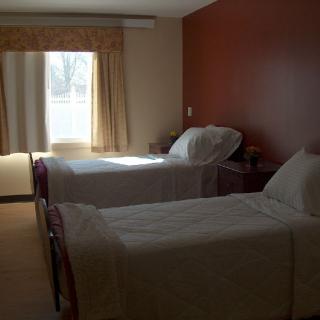
 Fully furnished
 Garden
 Housekeeping services
 Move-in coordination
 Outdoor space
 Telephone
 Wi-Fi/high-speed internet available
 24-hour supervision
 Activities of daily living assistance
 Assistance with bathing
 Assistance with dressing
 Assistance with transfers
 Diabetes diet
 Meal preparation and service
 Medication management
 Special dietary restrictions
 Transportation arrangement (medical)
 Transportation to doctors appointments
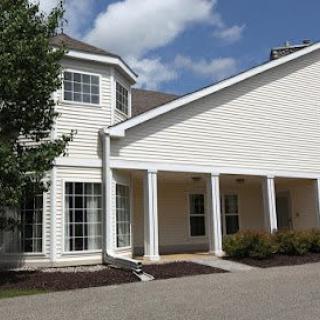
 Peaceful environment with personalized care plans and nearby healthcare access.


 Funding and Affording Assisted Living: A Thorough Overview
 Assisted Living Expenses and Long-Term Care Insurance: A Comprehensive Exploration
 Securing Financial Support for Assisted Living: A Comprehensive Overview