
625 Tirrell Highway, Charlotte, MI 48813
For more information about senior living options: (866) 208-4318
House Of Ruth Costs & Pricing
At House of Ruth, the monthly cost for a private room is $4,871, which significantly surpasses both the county average of Eaton County at $3,432 and the Michigan state average of $3,675. This premium pricing reflects the specialized services and amenities offered by House of Ruth, catering to residents in need of comprehensive support. While it may represent a higher investment compared to other options in the region, many families may find that the tailored care and enhanced environment justify this expense as they seek the best possible quality of life for their loved ones.
| Floor plans | House Of Ruth | Eaton County | Michigan |
|---|---|---|---|
| Private | $4,871 | $3,432 | $3,674 |
Assisted Living communities with a similar price nearby
-
from -$271 / mo

Woodlawn Meadows Assisted Living & Memory Care
$4,600 to $5,025 / month23.8 miles away -
from -$541 / mo
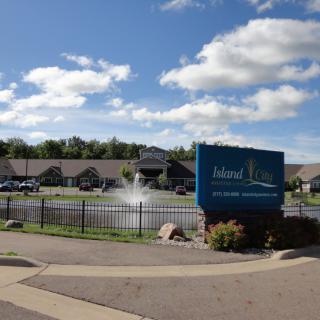
Island City Assisted Living
$4,330 to $6,455 / month10.2 miles away -
from -$871 / mo

Provision Living at East Lansing
$4,000 to $5,750 / month23.5 miles away -
from -$451 / mo

Grandhaven Living Center
$4,420 to $4,680 / month17.2 miles away -
from -$471 / mo

Holt Road Home
$4,400 / month15.1 miles away
Overall Review of House Of Ruth
Pros
 They treat the clients very nicely and they all seem happy.
- The House of Ruth is an amazing group home completely devoted to the best interest of the residence.
- The Guys are happy and productive members of their community.
- It is a blessing to see such love and support.
Cons
 They got stuck.
Review
House Of Ruth in Charlotte, MI is best suited for adults who want a small, homelike group-living setting where staff invest deeply in daily quality of life. It excels for residents who value individualized attention, a welcoming, family-style atmosphere, and daily interactions that emphasize dignity and belonging. The community’s intimate size supports close relationships among residents and caregivers, with a focus on practical, unstigmatized living rather than institutional formality. For families seeking warmth, steady companionship, and a stable routine, this option hits the mark.
Those with high medical dependence, complex memory-care needs, or a requirement for intensive clinical oversight may want to consider alternatives. The model here appears to prioritize life enrichment and personal connection over hospital-style care, so options with robust on-site healthcare, frequent nursing availability, or highly specialized programs should be explored. Geographic convenience and cost are relevant factors as well; the tight-knit setting can be more affordable than larger campuses while delivering meaningful daily engagement, but it may not satisfy every care scenario.
Key strengths show up in the staff–resident dynamic: residents are treated with kindness, happiness is visible, and there is a sense of productive participation within the community. The expressed commitment to “the best interest of the residence” signals a mission centered on resident welfare rather than bureaucratic metrics. The resulting daily rhythm emphasizes love, support, and collective involvement, which tends to reduce caregiver stress and foster trust among families. In practical terms, this translates to predictable routines, attentive assistance with routine tasks, and a welcoming environment that feels safe and validating.
That said, the small, home-like model carries trade-offs. There may be fewer on-site medical professionals, less formal programming, and limited access to specialized therapies when compared with larger assisted living communities. For families prioritizing 24/7 clinical supervision, routine nursing coverage, or memory-care-specific protocols, these gaps could be meaningful. The upside is that intimacy and personal attention often trump rigid programming, creating a less transactional atmosphere that many residents find deeply comforting. In other words, the con is not neglect but a narrower scope of services.
In practice, the strong advantages, gentle, respectful care; evident resident happiness; and a supportive, family-like culture, tend to offset the service gaps by delivering a higher quality of life and simpler, safer daily living. The environment fosters daily engagement, social connection, and purposeful activity, which can lessen the need for constant medical intervention. For families willing to arrange supplementary medical support as needed, House Of Ruth frequently yields superior emotional outcomes and consistent satisfaction among residents. For those prioritizing dignity, independence within a nurturing setting, and a warm, cohesive community, the positives clearly outweigh the drawbacks.
Bottom line: House Of Ruth is a compelling option for adults who want a small, compassionate, home-style setting with a clear emphasis on resident welfare and community. It is especially suitable for those who value warmth over institutional scale, and for families ready to supplement care with external medical services if required. Alternatives should be considered for residents needing robust clinical infrastructure, memory-care specialization, or larger, program-driven environments. Prospective families should visit, observe routines, and inquire about staffing coverage, on-site medical support, and how personal preferences are woven into daily activities. The best fit will emerge where daily life aligns with the resident’s priorities and the family’s comfort with the care philosophy.
 6 resident community capacity
 Assisted Living
 Cable or satellite TV
 Dining room
 Fully furnished
 Garden
 Housekeeping services
 Move-in coordination
 Outdoor space
 Telephone
 Wi-Fi/high-speed internet available
 Capital City (21 miles away)
 24-hour supervision
 Activities of daily living assistance
 Assistance with bathing
 Assistance with dressing
 Assistance with transfers
 Diabetes diet
 Meal preparation and service
 Medication management
 Special dietary restrictions
 Transportation arrangement (medical)
 Transportation to doctors appointments

 Understanding Medicaid Coverage for Assisted Living: A Comprehensive Guide
 How and When Medicaid May Cover Assisted Living Costs
 A Detailed Exploration of Assisted Living Medicaid Waivers Across the United States