

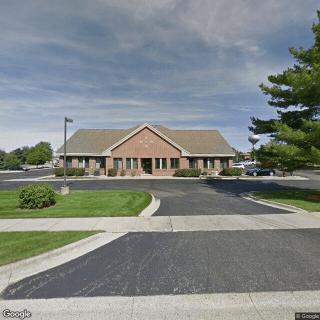
4125 Okemos Rd., Okemos, MI 48864
To contact a resident: (517) 483-2784
For more information about senior living options: (866) 208-4318
Overall Review of Firstlight Home Care of Greater Lansing, MI
Pros
 Charelle provides great care for someone recovering from a spinal cord injury, and the staff at First Light are helpful.
 - The staff members Shenita, Juju, Michelle, Grace, Mrs. G, Marci, and Deb go above and beyond and always have smiles and positive energy.
- They help with everything, and the caregiver is amazing.
- The wonderful ladies from First Light have been a Godsend, especially Maria.
- First Light Home Care has been a life saver for families, with Bri engaging and making Mom laugh.
- The aides are loving, compassionate, and truly care about clients’ well-being.
- Chance goes over and above every visit and provides kind, uplifting words.
- Amy is dependable, kind, competent, and has become part of the family.
- Maria and Deb are highly regarded and receive high praise.
Cons
 Some of the caregivers weren’t trained well enough to move an elderly person who doesn’t help.
- She was sent to the ER once, and they were not notified that 911 had been called.
- They had to help transport her back into the house when she was sent home, and no one came when she asked.
- During a four-week period, there were at least weekly no-call/no-shows, with new staff each week who didn’t know what needed to be done.
- One of the staff members who visited was reportedly fired for stealing.
Review
FirstLight Home Care of Greater Lansing is best suited for families seeking deeply personal, in-home support for seniors whose needs include dementia care, chronic pain management, and mobility assistance, with the expectation that a trustworthy care team becomes an extension of the family. The model works best when the emphasis is on consistent companionship, respectful transfers, and daily living support delivered at home rather than in a facility. Review patterns show a strong fit for families who value empathetic, hands-on aides who can engage an older adult, reduce caregiver burden, and preserve safety and dignity in familiar surroundings. Those requiring round-the-clock, guaranteed coverage or very rigid scheduling should consider alternatives, as the experience here depends on reliable back-up capacity and active supervisor oversight.
On the upside, the caregiving staff consistently emerges as the core strength. Families repeatedly describe aides who go above and beyond, bringing warmth, smiles, and patient, practical help to daily routines. The ability to engage clients with empathy, whether navigating Lewy Body Dementia, chronic pain, or mobility challenges, produces meaningful moments that lift both the senior and the household. Notable examples include caregivers who form genuine bonds, provide regular updates, and contribute small joys that feel like real companionship. When the team aligns, the result is a home environment where the senior feels heard, valued, and supported by people they trust.
Yet several reviews flag real, actionable concerns. Staffing can feel inconsistent, with new assistants rotating in and out and care plans not always staying current. No-call/no-show incidents and occasional lapses in scheduling have occurred, creating gaps at critical moments. There are also credible reports of communication missteps around emergencies and transportation, one instance involved an ER visit without timely notification, and another referenced a staff member who was let go for misconduct. Taken together, these gaps threaten confidence in continuity of care, particularly for clients with complex medical or safety needs.
Despite these risks, the positive elements tend to offset them when proper safeguards are in place. The strongest offset comes from a stable core of compassionate caregivers and proactive family communication, which many clients experience as a lifeline. When a capable care manager is involved and a consistent team is prioritized, the home becomes a reliable place of support rather than a source of ongoing stress. For families willing to demand strong oversight, clear care plans, predictable back-up coverage, and transparent updates, the advantages can substantially outweigh the drawbacks.
Before committing, families should verify several guardrails. Require a formal care plan with a primary caregiver team and a clear back-up roster to reduce exposure to no-shows. Confirm the agency’s mobility and safety training, particularly for transfers and dementia care, and clarify the process for incident reporting and escalation. Discuss how updates are provided (frequency and method) and ensure there is a documented protocol for emergencies, including who is notified and how quickly. Finally, benchmark the overall cost against the level of flexibility, continuity, and supervision offered, ensuring a path to escalate concerns quickly if gaps arise.
This community is a strong choice for those seeking genuine, engaged in-home care that can handle dementia and pain while keeping a loved one connected to home routines. It is less suitable for families needing unwavering, 24/7 coverage with zero risk of scheduling lapses. When safeguards are in place, consistent caregiver teams, clearly defined care plans, and reliable back-up coverage, the strengths stand out: compassionate, engaged aides; meaningful daily interactions; and a demonstrated capacity to improve quality of life by keeping seniors safely at home. A well-structured trial period, with explicit expectations and ongoing supervisor involvement, will reveal whether FirstLight can deliver the steady, family-centered care desired.
 Capital City (10 miles away)




 Supportive Employee Benefits That Help Caregivers Attain Better Work-Life Harmony
 Top Cars for Senior Drivers and Essential Safety Innovations
 A Closer Look at Private Pay Home Care