
2031 Us-31 North, Niles, MI 49120
For more information about senior living options: (866) 208-4318
Overall Review of Samlind Services Us-31
Pros
 They focus on Quality of Life.
- They are good people with a great goal of assisting those in need.
Cons
 They suck!
Review
Samlind Services Us-31 in Niles, Michigan is best suited for seniors who prize a warm, person-centered living experience where quality of life remains the guiding principle and staff clearly operate with a compassionate orientation. This is a community that appears to fit residents who want a smaller, approachable setting where caregivers may be accessible, attentive, and oriented toward preserving dignity and daily happiness. Those who value a mission-driven environment, where helping others is more than a slogan, will likely feel at home here, especially if social connection, comfort, and a respectful atmosphere are non-negotiables.
For families weighing options, it is prudent to consider alternatives for residents who require robust medical oversight, specialized dementia programming, or highly predictable, tightly controlled routines. The concern is not simply about kindness or intent, but about whether the level of clinical support and the reliability of service align with higher medical or memory-care needs. In short, this community may not be the strongest fit for residents who insist on aggressive care management, complex care coordination, or rigorous, standardized protocols that several larger facilities typically provide.
On the positive side, the strongest signals point to a life-centered approach anchored by good people. Reviewers consistently highlight a focus on quality of life and commend the staff for their genuine care and kindness. The recurring theme is a team that appears to take the mission seriously, supporting residents in ways that make daily living more meaningful, comfortable, and dignified. For families who want a living environment where residents feel seen, respected, and treated with warmth, these attributes matter a great deal and can translate into steadier moods, more engagement, and stronger caregiver-resident rapport.
The most conspicuous caution comes from a lone, blunt critique: “They suck!” That stark remark should not be dismissed, even if it stands as an outlier. It signals the potential for variability in experiences, possibly around responsiveness, communication, or consistency in service. Prospective families would be wise to probe directly during tours for concrete examples of how concerns are managed, what the escalation process looks like, and how staff turnover or scheduling affects day-to-day care. The bottom line: a single harsh verdict deserves weight, and it should prompt deeper verification rather than a cursory impression.
When weighing the pros against the cons, the decision hinges on what matters most in daily life. If the priority is a welcoming, respectful culture where staff appear sincerely invested in residents’ happiness and comfort, the favorable aspects can substantially offset the risks suggested by the negative review. The quality-of-life emphasis can yield a more relaxed, sociable environment with fewer hospital-style pressures, which many families find invaluable. However, that value proposition weakens if medical needs become urgent, if there is inconsistent staffing, or if resident concerns are not promptly addressed. Clear expectations about care planning, communication channels, and staff accessibility are essential safeguards.
In concrete terms, a decisive next step is a focused visit and targeted conversations. Prospective residents and families should meet the caregiving team, request examples of daily routines, and ask for specifics on meal services, activity options, transportation, and social engagement. Inquire about staff-to-resident ratios, caregiver training, and how feedback or complaints are handled. Seek references from current residents or families, and review any available state inspections or licensing information to triangulate the impression gained on a tour. If a culture of warmth and quality-of-life living aligns with the resident’s goals, Samlind Services Us-31 deserves serious consideration; if robust medical oversight, predictability, or dementia-specific care are non-negotiables, other communities may serve better.
 6 resident community capacity
 Assisted Living
 Cable or satellite TV
 Dining room
 Fully furnished
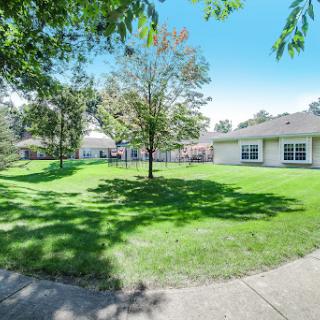
 Garden
 Housekeeping services
 Move-in coordination
 Outdoor space
 Telephone
 Wi-Fi/high-speed internet available
 24-hour supervision
 Activities of daily living assistance
 Assistance with bathing
 Assistance with dressing
 Assistance with transfers
 Diabetes diet
 Meal preparation and service
 Medication management
 Special dietary restrictions
 Transportation arrangement (medical)
 Transportation to doctors appointments


 An Extensive Exploration of the VA Aid and Attendance Benefit
 Senior Transition Services: Understanding Their Role, Cost, and Importance
 Exploring the Path to Senior Living: A Comprehensive Look at Independent Living and Assisted Living