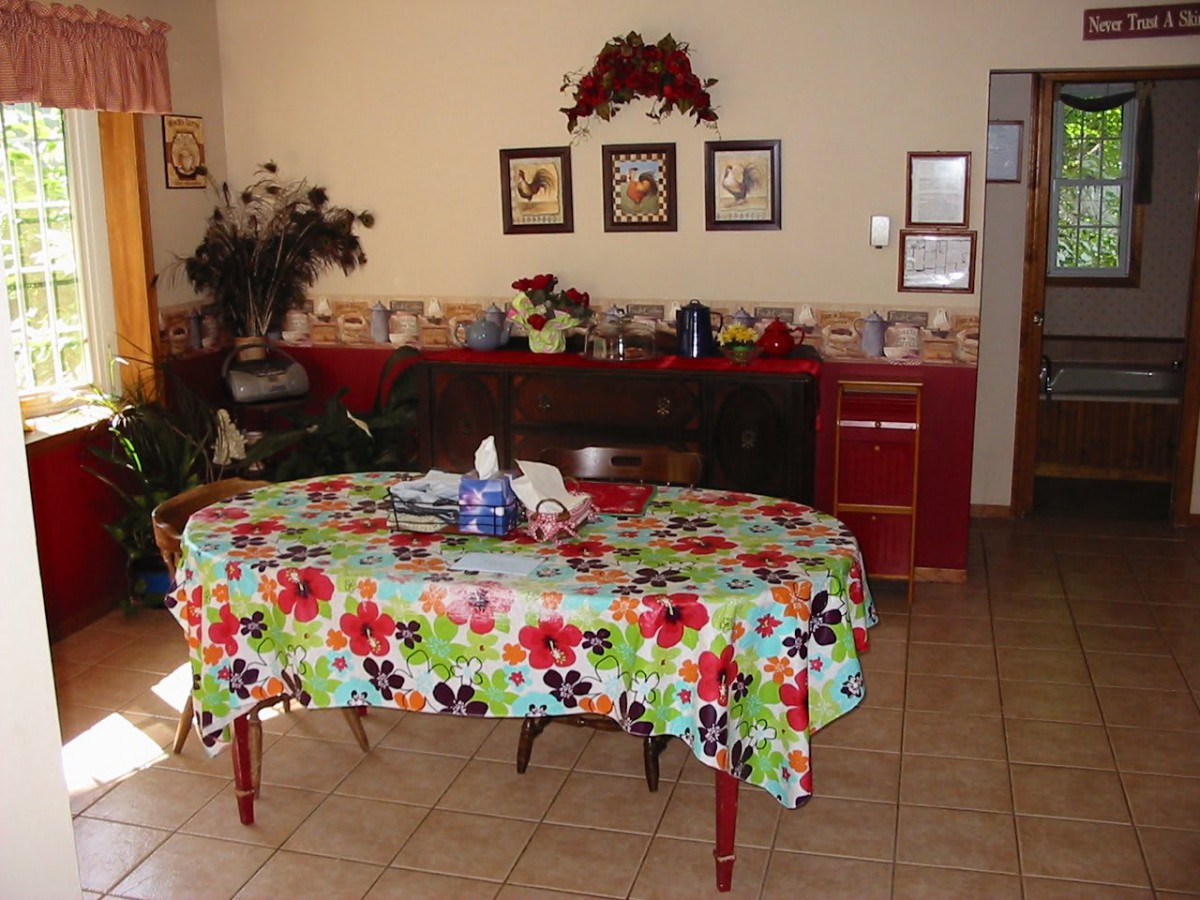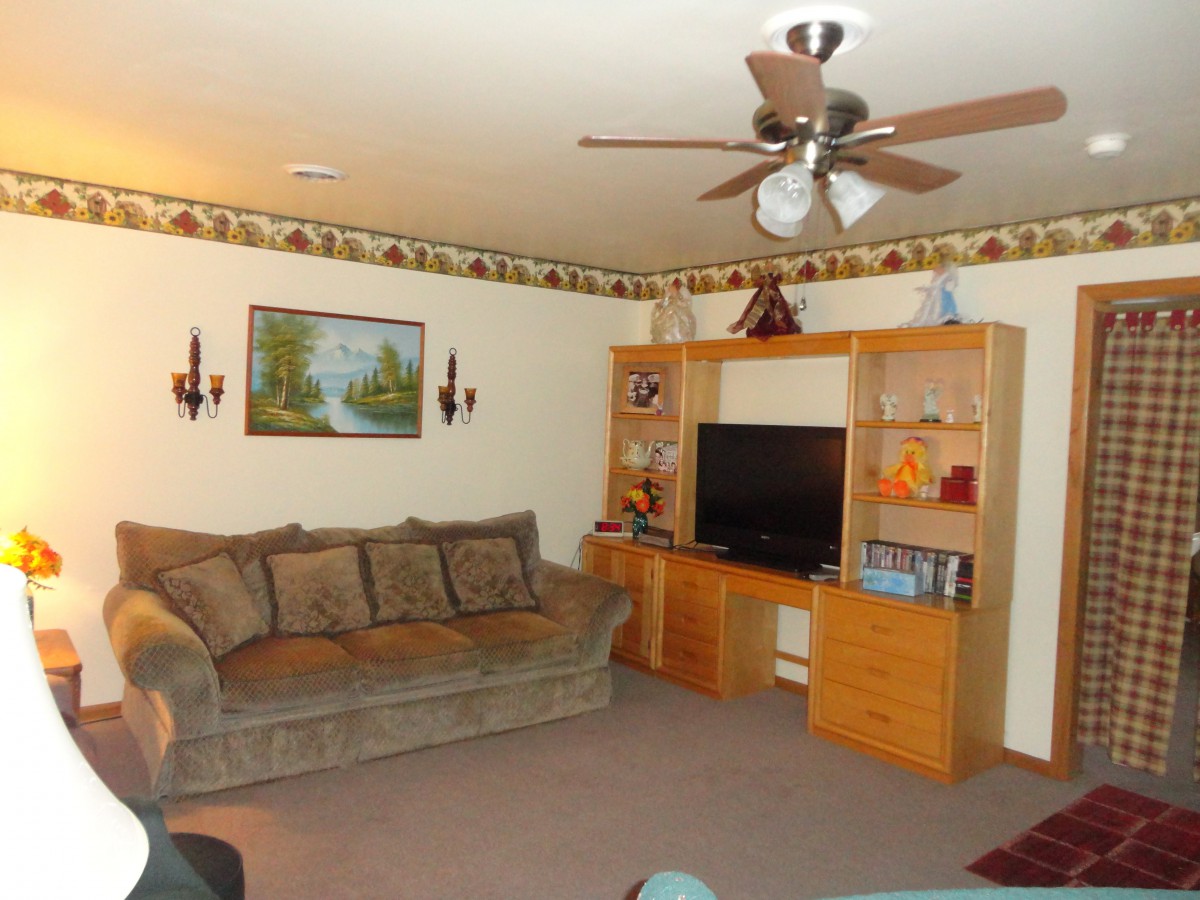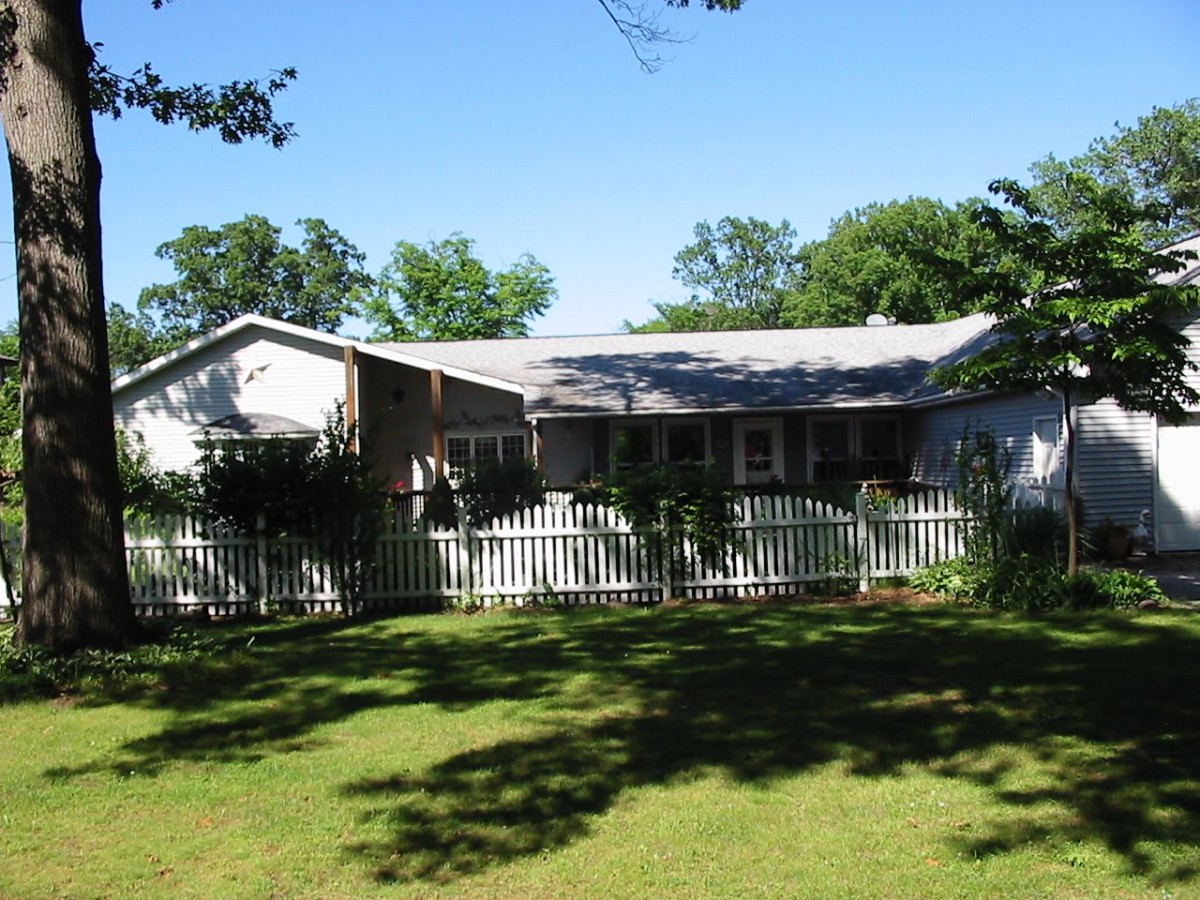
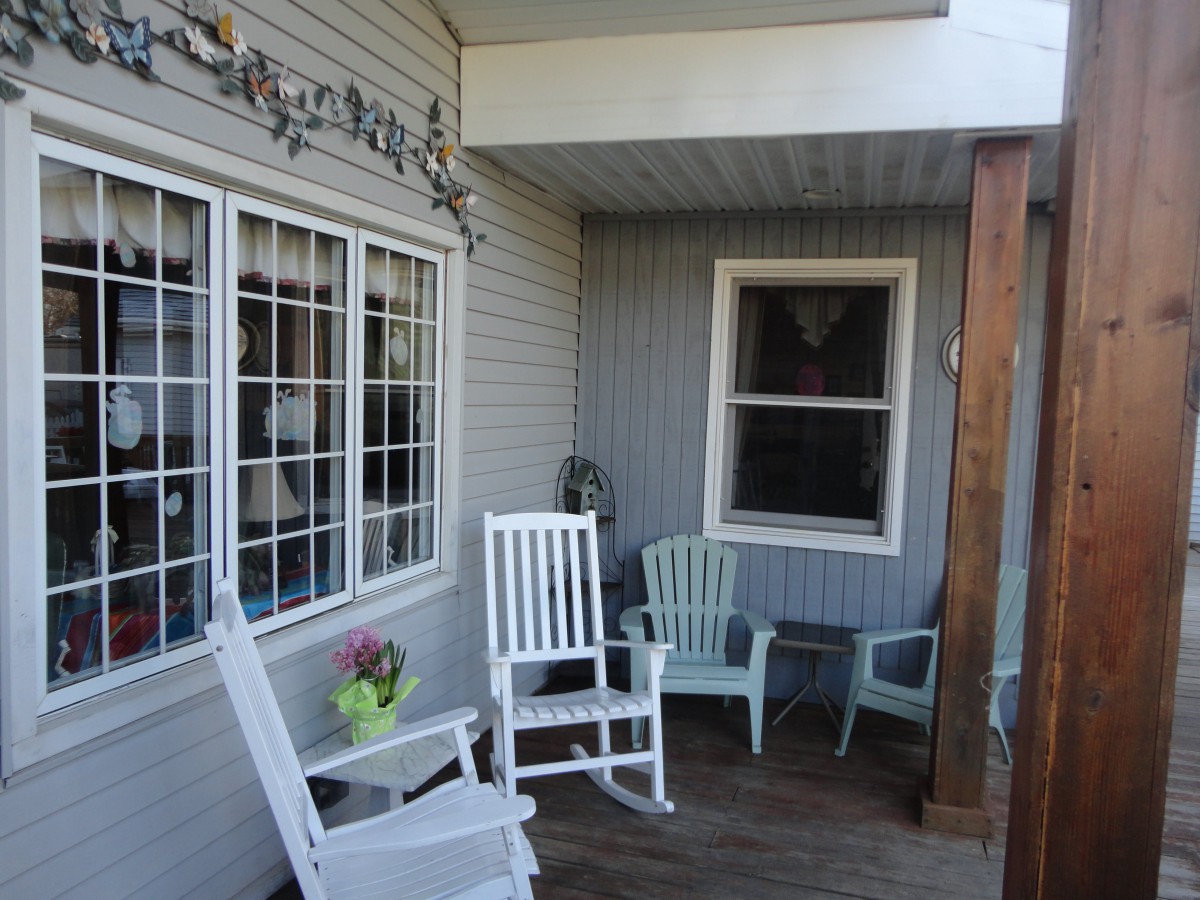

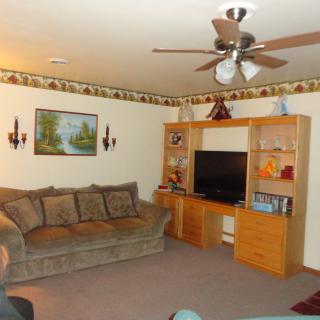

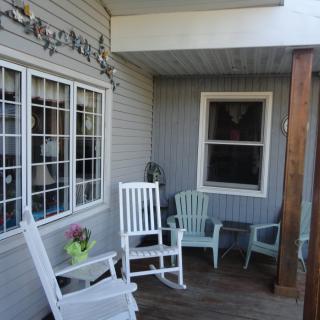
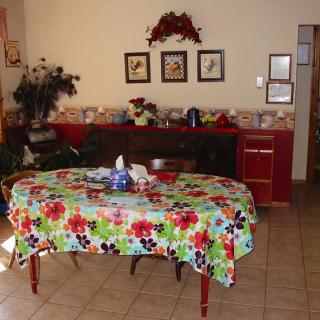

13165 Wilton Avenue, New Buffalo, MI 49117
For more information about senior living options: (866) 208-4318
Carol's Home Costs & Pricing
At Carol's Home, the monthly costs for room types reflect a slightly higher investment compared to both Berrien County and the wider state of Michigan. For a semi-private room, residents can expect to pay $3,500, which surpasses Berrien County's average of $3,120 and the state's average of $3,191. Similarly, the cost for a private room at Carol's Home is set at $4,000, again higher than both the county's rate of $3,396 and the state's average of $3,675. These figures suggest that while Carol's Home may be priced above local standards, it likely offers distinct amenities or services that justify this premium.
| Floor plans | Carol's Home | Berrien County | Michigan |
|---|---|---|---|
| Semi-Private | $3,500 | $3,120 | $3,189 |
| Private | $4,000 | $3,396 | $3,674 |
Assisted Living communities with a similar price nearby
-
from -$345 / mo
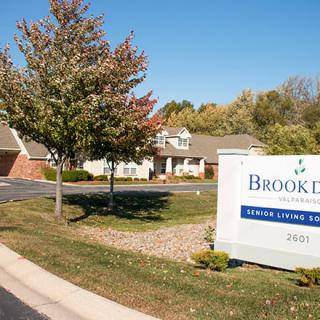
Brookdale Valparaiso Assisted Living
$3,155 to $3,300 / month24.7 miles away -
from +$315 / mo

Residences at Coffee Creek
$3,815 to $6,376 / month17.4 miles away -
from -$405 / mo

Aviva Valparaiso
$3,095 to $4,995 / month24.3 miles away -
About the same

Valparaiso Senior Village
$3,595 to $6,195 / month21.5 miles away -
from -$290 / mo

Avalon Springs Health Campus
$3,210 to $4,560 / month23.9 miles away
Overall Review of Carol's Home
Pros
 The caregivers at Carol's Home are nice and attentive.
- They keep track of his bloodwork.
- He receives regular exercise sessions 2 to 3 times a week.
- The home is kept spotless.
- They take care of his laundry.
Cons
 He does not like the food.
- They make too many sandwiches.
Review
Carol's Home in New Buffalo, MI is best suited for seniors who want dependable daily care, steady health monitoring, and a clean, low-hassle living environment. Families prioritizing regular oversight of health metrics will find value in a routine that includes someone coming in 2 to 3 times a week to assist with exercises and to track bloodwork. The caregivers are described as pleasant and attentive, a critical factor for easing transitions and daily routines. The home itself is kept spotless and laundry is handled on site, reducing the housekeeping burden on families. This combination of care oversight and practical comforts makes it a sensible choice for residents who fit a hands-on care model rather than a highly social or gourmet-focused setting.
Alternatives become attractive when meals top the priority list or when a resident desires more robust social programming. The review notes a meal concern, too many sandwiches, suggesting limited menu variety or inconsistent taste preferences. If dining variety, flavor, or themed dining experiences are important, other communities with broader menus may better meet expectations. Likewise, if a resident requires more intensive medical oversight, frequent visits from clinicians, or specialized memory care, exploring options with a larger staff complement or more integrated clinical services would be prudent. For families seeking a livelier social calendar or more structured activities beyond periodic exercises, other options could deliver stronger engagement.
On the upside, the positives have real, practical weight. Nice, responsive caregivers who monitor bloodwork and coordinate basic wellness tasks reduce the burden on family members and can help catch issues early. The regular exercise visits, even if light, promote mobility and can slow decline in independence for some residents. A spotless environment and on-site laundry further lessen the logistical strain of daily living, delivering peace of mind about safety and hygiene. These advantages collectively counterbalance the limited menu by focusing on what truly supports daily functioning and long-term health. For many families, those functional benefits translate into a safer, steadier routine.
To make a well-informed decision, ask for specifics during tours. Confirm who administers and reviews the bloodwork, what health metrics are tracked, and how results are communicated to families and primary physicians. Inquire about the exercise program: who leads sessions, the typical frequency, and how activities are tailored to individual abilities. Probe dining options: can meals be customized, what is the typical menu rotation, and how flexible is dining timing? Clarify laundry workflow, including pick-up and drop-off, detergents used, and any seasonal laundry considerations. Finally, assess staffing stability, scheduling patterns, and the response protocol for urgent needs, since reliable coverage is essential in a home-like setting.
Ultimately, Carol's Home appears well-suited for residents who want a clean, caring micro-environment with dependable health oversight and practical support services. It benefits families seeking predictability and low-maintenance routines, where the main care tasks, monitoring, gentle exercise, and laundry, are reliably handled. The single positive rating underlines a favorable impression, but the data set is limited; the experience could vary with different staff, residents, or health needs. With that in mind, this community should be shortlisted for those who want a calm, organized setting and are willing to accommodate simpler dining and a constrained activity slate in exchange for steady caregivers and a spotless home.
Decision-ready takeaway: choose Carol's Home for seniors who value consistent care, health monitoring, and a pristine, manageable living space, and who are comfortable with a modest dining program. If meals, varied social opportunities, or more intensive medical services are priorities, consider alternatives and compare multiple communities before committing. A visit with direct conversations about bloodwork oversight, exercise customization, and menu flexibility will reveal whether this combination aligns with the resident’s goals and the family's expectations. In scenarios where these priorities match, Carol's Home offers a practical, dependable option that reduces family stress while supporting daily independence.
 6 resident community capacity
 Assisted Living
 Board and Care Home
 Activities off-site
 Air-conditioning
 Bath tubs
 Cable or satellite TV
 Devotional services off-site
 Dining room
 Full kitchen
 Fully furnished
 Garden
 Handicap accessible
 Housekeeping services
 Indoor common areas
 Move-in coordination
 Outdoor common areas
 Private
 Private bathrooms
 Respite or short term stays offered
 Telephone
 Wheelchair accessible showers
 Wi-Fi/high-speed internet available
 South Bend Regional (24 miles away)
 24-hour supervision
 Assistance with bathing
 Assistance with dressing
 Assistance with transfers
 Diabetes diet
 Diabetic care
 High acuity care
 Incontinence care
 Meal preparation and service
 Medication management
 Special dietary restrictions
 Transportation arrangement (medical)
 Transportation to doctors appointments
 Bible study group
 Cards / pinochle club
 Resident band or musicians
 Stretching classes



 Assisted Living Support for Veterans: A Complete and Detailed Overview
 Exploring the Contrasts Between Assisted Living and Skilled Nursing
 8 Key Indicators That Suggest It May Be Time to Transition from Assisted Living to Skilled Nursing Care