
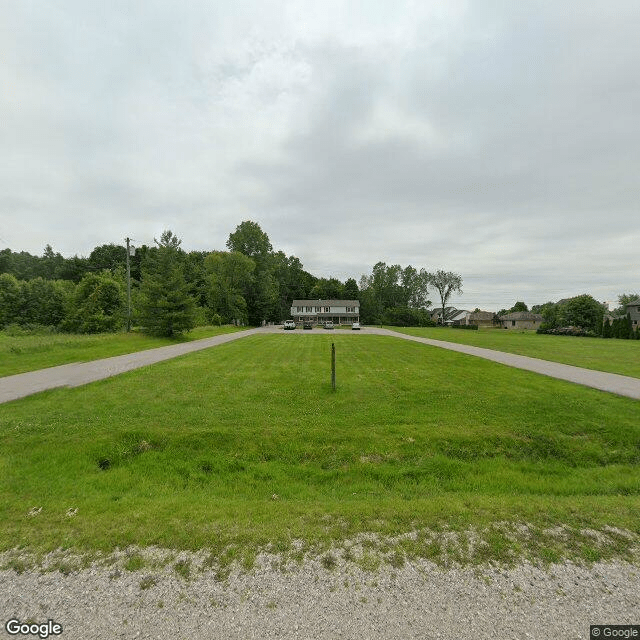
34720 24 Mile Rd, New Baltimore, MI 48047
To contact a resident: (586) 725-6725
For more information about senior living options: (866) 208-4318
Torrey Pines Senior Residence Costs & Pricing
Torrey Pines Senior Residence offers competitive pricing for its accommodations, with both 1-bedroom and semi-private options available at $2,500 per month. This rate is significantly lower than the average costs in Macomb County, which stand at $3,527 for a 1-bedroom and $3,232 for a semi-private room. Additionally, the statewide figures for Michigan reflect similar trends, with 1-bedroom units averaging $3,384 and semi-private rooms at $3,191. The affordability of Torrey Pines makes it an attractive choice for seniors seeking quality care without the financial burden often associated with senior living facilities in both the county and state.
| Floor plans | Torrey Pines Senior Residence | Macomb County | Michigan |
|---|---|---|---|
| 1 Bedroom | $2,500 | $3,527 | $3,384 |
| Semi-Private | $2,500 | $3,232 | $3,189 |
Memory care communities with a similar price nearby
-
from +$380 / mo

Town Village Sterling Heights and The Gem Memory Care
$2,880 to $5,095 / month16.3 miles away -
from -$267 / mo
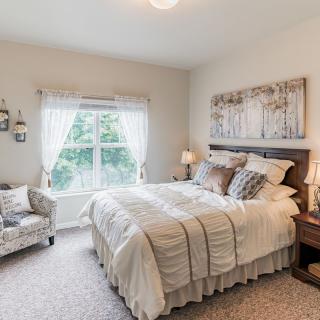
Town Village Sterling Heights
$2,233 / month16.3 miles away -
About the same
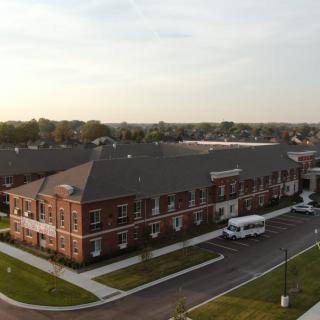
Westwood Inn
$2,545 to $3,995 / month8.0 miles away -
from -$300 / mo

Hampton Manor of Clinton
$2,200 to $4,200 / month12.2 miles away -
About the same

Sage Creek Senior Living, LLC
$2,500 / month15.0 miles away
Overall Review of Torrey Pines Senior Residence
Pros
 The staff and owners feel like family, giving residents and their families a sense of belonging.
- The meals are homemade and residents always get enough to eat.
- The home is warm, comfortable, and filled with love, with kind, gentle, and caring staff.
- The bedrooms are neat and clean, and the facility is impeccably clean and well maintained.
- Residents enjoy three home-cooked meals a day, with snacks in between.
- The staff keep families updated and communicate well about their loved ones.
- The care is individualized and compassionate, with an emphasis on daily walking and staying active.
- Families report calmer, happier residents and would highly recommend the Torrey Pines House of Bread.
Cons
 They would never let their mother live there.
- They wish the deck were in better shape so everyone could enjoy sitting outside.
- There is no activity director at this time.
- The transition to the facility was stressful for residents and their families.
- The staff's attitude focuses on policy rather than residents' needs.
- There is no transportation for residents' outings.
Review
Torrey Pines Senior Residence is best suited for families seeking a genuinely home-like, intimate setting where care feels personal and every resident is treated like family. The community’s small size, roughly nine residents, fosters close relationships with owners and staff, making it easy for families to drop in and stay connected without arranged visits on a rigid schedule. It is especially well-mitted for seniors who value consistent, homemade meals, a calm atmosphere, and clear, frequent communication about their loved one’s day-to-day well-being. For families dealing with dementia or memory challenges, the environment offers a reassuring, compassionate approach that often translates into steadier days and a sense of belonging for the resident.
Those considering alternatives should note who may not be the best fit. If a family needs a larger campus with a full calendar of daily activities, on-site transportation for outings, or a formal, highly structured memory-care program, this setting may feel light on programming or logistical convenience. Similarly, anyone requiring higher-acuity medical support, intensive rehab services, or a robust activity director on site should compare options carefully, as the smaller operation prioritizes warmth, flexibility, and personalized attention over broad-spectrum amenities. For families seeking strong, policy-driven routines or a more institutional feel, there are other facilities that fit that model better.
The strongest positives here, staff and ownership who treat residents like family, home-cooked meals made from scratch, and a clean, safe living environment, often offset the few drawbacks. The staff’s hands-on, caring approach translates into frequent family updates, with many reviews highlighting regular calls about both good and challenging days. Families repeatedly express relief at the sense of partnership with caregivers, which can ease transitions and reduce anxiety for both resident and family members. The small, homelike setting also helps staff tailor routines to individual needs, something larger facilities can struggle to reproduce.
Where the model shows its limits, the evidence points to activity depth and tangible facilities maintenance. A few reviews note an absence of a dedicated activities director at times and acknowledge that the daily schedule may not rival larger communities in variety. The deck and outdoor spaces receive mixed feedback, indicating a potential constraint on outdoor enjoyment that families may want to verify and plan around. Yet even with these gaps, the staff’s willingness to improvise activities and keep residents engaged, along with the strong emphasis on walking and daily movement, helps offset boredom or restlessness that larger campuses sometimes incur.
Communication and involvement emerge as standout strengths in this community. Several families describe ongoing, transparent updates on their loved ones, with caregivers actively sharing both milestones and bumps in the road. This level of engagement can be a critical factor for families navigating transitions, especially when a loved one is adjusting to a new home. The testimonials also reflect real emotional relief: a former caregiver notes calmer, happier behavior in a mother after moving in, while another family member emphasizes the safety and peace of mind afforded by the staff’s attentive presence.
In the end, Torrey Pines Senior Residence offers a compelling value proposition for the right resident: a small, affectionate home environment where the floor plan, meals, and daily care are all designed around personal connection and visible staff involvement. It is an excellent match for families prioritizing intimate attention, ongoing family communication, and a warm, less clinical atmosphere. It works best for seniors who thrive on consistent reassurance, lighter programming, and a setting that feels less like an institution and more like a trusted home. For those seeking expansive activity calendars, transportation for regular excursions, or highly structured memory-care services, pursuing alternatives with broader programming will likely yield a better fit. Prospective families should visit, ask pointed questions about activity availability, memory-care specifics, staffing ratios, and whether any outdoor spaces have been improved, to ensure the fit aligns with the resident’s needs and family expectations.
 Assisted Living
 Memory Care
 Activities on-site
 Devotional services off-site
 Indoor common areas
 Ambulatory care
 Diabetic care
 High acuity care
 Incontinence care
 Meals provided


 Exploring the Power of Reminiscence Therapy for Individuals With Dementia
 An In-Depth Look at Reminiscence Therapy in Dementia Care
 Dementia-Related Hallucinations: Causes, Experiences, and Practical Approaches