

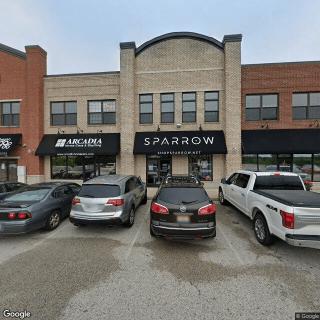
560 Seminole Road, Muskegon, MI 49444
To contact a resident: (231) 733-8686
For more information about senior living options: (866) 208-4318
Overall Review of Life Circles
Pros
 The PACE program has been a wonderful experience with thorough, caring treatment.
- The staff anticipate residents’ needs and address them before they realize they need them.
- Every staff member has been warm, friendly, helpful, and kind to the elderly husband.
- The staff make eye contact and engage him, rather than speaking only to his caregiver.
- LifeCircles is a true blessing, offering sustained support and love.
- LifeCircles’ care has been outstanding, with ongoing compassion.
- LifeCircles are described as heroes, bringing life where there appeared to be none.
- The program provides medical, social, and nutritional resources and is highly impressive.
- There are many nice people who want to help seniors and their caregivers.
Cons
 They allowed a family member to fall and covered it up.
- The doctor there is only there to cover their licenses.
- A family member will not be seen by them.
Review
Life Circles in Muskegon is best suited for seniors who thrive on an integrated, proactive care model and for families that want medical coordination, social and nutritional supports, and hands-on staff engagement all in one program. The PACE framework here is designed to keep seniors living in the community while a coordinated team manages medical needs and daily living supports. For caregivers, Life Circles offers practical respite through care planning, regular follow-ups, and a culture that emphasizes direct, person-centered interaction with the elder. In short, it serves those who want sustained, comprehensive care wrapped into daily life, rather than a traditional, episodic care path.
That said, certain realities suggest alternatives may be more appropriate for some families. Those who require high-acuity medical oversight, immediate on-site physician presence for every issue, or a setting with more traditional, volume-driven clinician access may prefer other options. If rapid, visible medical response is non-negotiable or if there is a persistent concern about how quickly a physician becomes involved, a conventional assisted living or nursing facility with different clinical routines could feel more reassuring. The reviews hint at accountability gaps in isolated incidents, so families prioritizing airtight incident resolution and transparent medical oversight will want to scrutinize those aspects closely.
The strongest asset of Life Circles is the staff culture and the breadth of resources it provides. Reviewers highlight thorough, caring treatment and a team that anticipates needs rather than waiting to be asked. Staff make a deliberate effort to engage the elder directly, eye contact and inclusive conversation are emphasized, which can be crucial for residents who are hearing-impaired or easily overlooked. The program’s bundled medical, social, and nutritional services create a cohesive daily rhythm that can ease caregiver anxiety and promote consistent routines, social engagement, and preventive care.
Yet the safety concerns raised in the negative reviews cannot be dismissed. One account describes a fall with the family feeling the response was insufficient or not promptly addressed, and another questions whether the physician presence is meaningful or merely procedural. While these anecdotes do not define every experience, they do underscore a real risk signal: when medical oversight feels uneven or reactive rather than proactive, the perceived stability of the model erodes. Prospective residents must weigh the warmth and coordination against the potential for gaps in urgent care or transparent accountability.
Taken together, the pros, coordinated care, compassionate staff, and a robust resource network, often offset a meaningful portion of the daily challenges families face when considering alternative living arrangements. The integrated approach helps avoid hospitalizations and fragmentation, and the direct elder-facing staff interactions can be a decisive advantage for those who value dignity, connection, and a structured support system. However, the cons illuminate a boundary condition: for families prioritizing immediate clinical visibility and ironclad safety protocols, the uncertainties voiced in reviews should prompt careful verification before commitment.
Practical steps for families: request a candid meeting with the care team to review how care plans are generated and updated, and to observe a routine interaction between staff and residents. Inquire specifically about fall protocols, incident reporting timelines, and how quickly physicians engage in genuine clinical decision-making. Speak with current or former participants about their experiences with medical oversight and response times. Confirm PACE eligibility, confirm costs, and obtain a clear written policy on safety and incident resolution. With disciplined due diligence, Life Circles can be a strong, well-coordinated option for families seeking integrated, person-centered care, provided expectations around medical oversight and safety are clearly aligned with the elder’s needs.
 Muskegon County (2 miles away)





 In-Home Care Costs in 2025: A Detailed State-by-State Exploration
 Understanding Home Health Care: A Comprehensive Guide
 Home Health Care Demystified: A Comprehensive Guide for Families and Caregivers