
126 Munger Road, Munger, MI 48747
For more information about senior living options: (866) 208-4318
Close To Home Assisted Living Munger Costs & Pricing
Close To Home Assisted Living Munger offers a private room at a monthly cost of $5,625. When compared to the average costs in Saginaw County, which stands at $4,477 for similar accommodations, and that of the broader state of Michigan at $3,675, it becomes evident that Munger's pricing reflects its unique services and amenities. While it is positioned higher than both regional and state averages, potential residents may find value in the personalized care and quality of life provided by Close To Home Assisted Living. This premium might be justified by factors such as enhanced support or tailored programs that cater specifically to individual needs.
| Floor plans | Close To Home Assisted Living Munger | Saginaw County | Michigan |
|---|---|---|---|
| Private | $5,625 | $4,477 | $3,674 |
Assisted Living communities with a similar price nearby
-
from -$1080 / mo
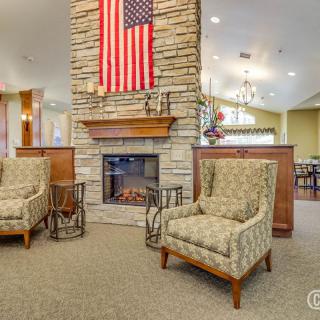
Candlestone Assisted Living & Memory Care
$4,545 to $4,872 / month21.9 miles away -
from -$375 / mo
New Hope Bay
$5,250 / month5.2 miles away -
from -$1040 / mo
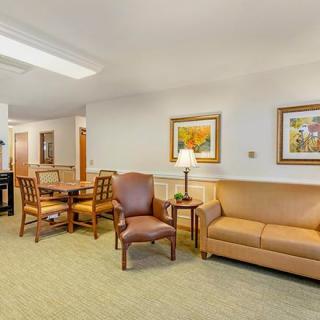
Brookdale Midland
$4,585 to $6,045 / month21.9 miles away -
from -$1090 / mo
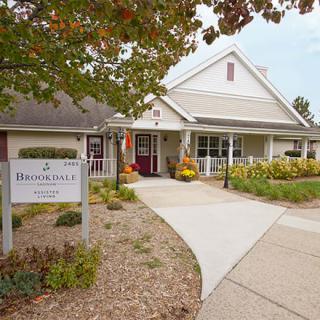
Brookdale Saginaw
$4,535 to $5,775 / month10.2 miles away -
from +$762 / mo

Bay House Adult Foster Care
$6,387 / month5.6 miles away
Overall Review of Close To Home Assisted Living Munger
Pros
 The facility is wonderful.
- The staff are all very pleasant.
- They offer fun activities for residents.
- The transition was smooth thanks to the owner Jaimie and managers Debbie and Cindy.
- The nursing staff are extremely nice and hardworking.
- The chefs take pride in their cooking.
- The managers go the extra mile to help.
- All residents seem happy to be there.
Cons
 Smaller rooms than other assisted living places.
- Smaller community than similar places.
Review
Close To Home Assisted Living in Munger is best suited for seniors who want a small, intimate setting where daily care feels personal, and where families seek clear value without the bustle of a large campus. The community is clearly built around attentive nursing staff, approachable managers, and a schedule of enjoyable activities that keep residents engaged. It is especially well matched to families seeking reassurance that daily routines will be handled smoothly by a dedicated team, and to residents who prefer a neighborly, low-key environment where relationships with caregivers can feel genuinely meaningful rather than transactional.
For those who prioritize space, variety, or a more expansive campus experience, alternatives should be considered. The rooms here run smaller than many comparable facilities, and families who need abundant square footage, couples sharing a living area, or access to a broader spectrum of amenities on-site may find the layout limiting. Additionally, families chasing a facility with a larger-scale social calendar or specialized programs beyond a close-knit, home-like rhythm may want to compare options. In short, this is not the pick for those who equate care quality with size or showroom amenities.
The core strengths lie in the human side of care. Nursing staff comes across as exceptionally kind and hardworking, delivering hands-on support with genuine warmth. The kitchen staff takes pride in their craft, with homemade touches that show in the menu and in the occasional comfort-food standout like tomato soup. Managers routinely go the extra mile, translating a welcoming tone into practical, responsive service. Those elements, staff responsiveness, relational warmth, and a culture of gratitude, create a living environment where residents appear genuinely content, a crucial offset to the tighter living quarters.
While the rooms are smaller, the operational trade-off is meaningful. A compact footprint means less risk of impersonal feel and easier, more frequent interaction with caregivers. It also helps keep costs lower, which matters to families balancing long-term affordability with quality of life. The value proposition is evident: comparable or superior care in a more economical package, delivered by managers who notice needs and residents who seem to enjoy strong social bonds within a smaller community. For families weighing budget against comfort, the math is compelling, even if space is not abundant.
Operational stability shows up in tangible ways. Transitions into the community are described as smooth, thanks to proactive involvement by the owner and managers. Reports from families emphasize peace of mind within weeks, rather than months, which speaks to governance and day-to-day reliability. A four-month window with a family member expressing relief and gratitude reinforces the sense that this is a place where care routines are consistent and communications remain open. That level of comfort is rarely incidental; it reflects a team that understands how to balance care demands with respectful, attentive oversight.
In the end, Close To Home Assisted Living is a practical, well-suited choice for seniors who value a tight-knit community, where staff kindness, culinary pride, and hands-on management translate into daily reassurance and visible resident happiness, all at a lower cost than many peers. It works best for families seeking stability, a warm social atmosphere, and a manageable, home-like setting. Those who require larger rooms, a busier social scene, or more specialized environments should explore alternatives. A visit should be paired with specific questions about room size, daily programming, and exact pricing to ensure the fit matches long-term expectations.
 6 resident community capacity
 Assisted Living
 Cable or satellite TV
 Dining room
 Fully furnished
 Garden
 Housekeeping services
 Move-in coordination
 Outdoor space
 Telephone
 Wi-Fi/high-speed internet available
 Mbs International (15 miles away)
 24-hour supervision
 Activities of daily living assistance
 Assistance with bathing
 Assistance with dressing
 Assistance with transfers
 Diabetes diet
 Meal preparation and service
 Medication management
 Special dietary restrictions
 Transportation arrangement (medical)
 Transportation to doctors appointments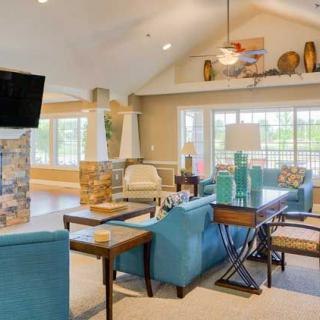
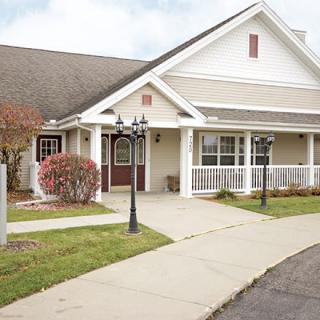
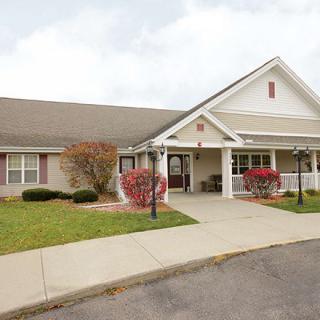

 Choosing the Right Senior Care: A Detailed Exploration of Assisted Living and Nursing Homes
 Understanding the True Cost of Assisted Living in 2025: A Comprehensive Guide
 Understanding Medicaid Coverage for Assisted Living: A Comprehensive Guide