
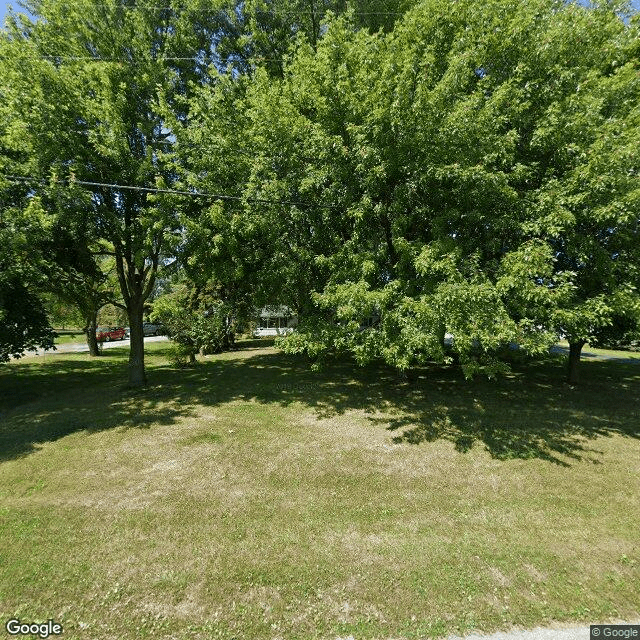
581 North Scheurmann Road, Bay City, MI 48708
For more information about senior living options: (866) 208-4318
Overall Review of Close To Home Assisted Living Hampton
Pros
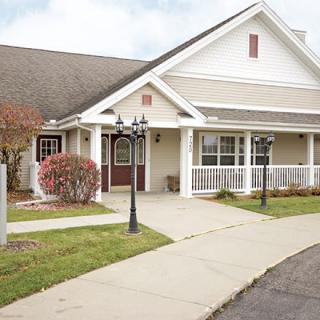
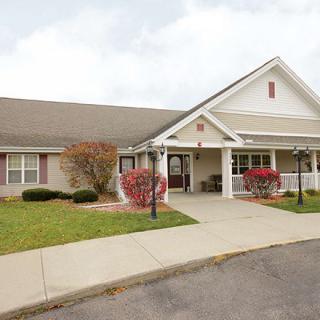
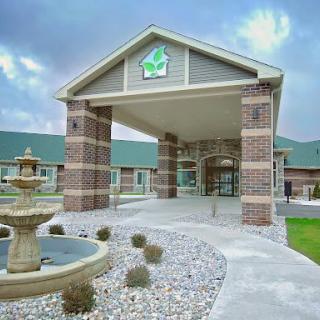
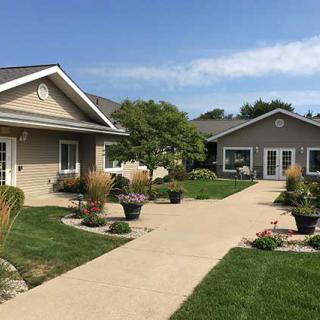
 The facility is very beautiful and spacious for residents, with polite and caring staff.
- It offers large living rooms and bedrooms, along with fun activities and good food for residents.
- Close to Home is a wonderful place to live, with helpful staff, friendly residents, diverse food, engaging activities, and festive holiday spirit.
- The venue provides spacious rooms and a wide array of activities, such as bingo, arts and crafts, music, and movie nights.
- One reviewer regards the facility as the finest among many they have experienced, describing it as quiet, peaceful, and beautiful.
- A reviewer notes that the place feels like a place of peace where growth, development, and healing are possible.
Cons
 There were too many people in wheelchairs for his dad, which might upset him.
- The staff did not seem outstanding and appeared to be busy.
- Visitors were confused about who was supposed to show them around.
- The facility was mediocre in terms of facilities and cleanliness.
- The Saginaw facility was unprofessional, unwelcoming, and uncomfortable.
- The staff were cliquish.
Review
Close To Home Assisted Living Hampton is best suited for active seniors who prize a home-like atmosphere, generous living spaces, and a steady stream of engaging social opportunities. The community tends to work well for residents who value spacious bedrooms and common areas, a warm, polite staff, and a calendar packed with activities, everything from bingo and arts and crafts to music and movie nights. For families prioritizing a peaceful, aesthetically pleasing setting with a festive spirit around holidays, this Hampton campus tends to deliver reliably on ambiance, warmth, and resident camaraderie.
Those considering alternatives should note several caveats. For families seeking a relentlessly polished first impression and consistently calm tours, the experience can fluctuate; a few visits have found staff to be busy or tours to be ad hoc, which can leave prospective residents feeling uncertain. Some reviewers described the facility as older and only moderately updated, which may matter to families who equate modern finishes with quality care. Additionally, a few comments pointed to a perception of average staffing on busy days, suggesting a need for patience when asking for immediate attention or individualized attention during peak times.
The strongest upside, spacious, welcoming environments, directly offsets the principal drawbacks. Large living rooms and generous resident bedrooms reduce clutter and sensation of crowding, creating a sense of home that many families value. The architecture and layout support mobility and social interaction, not just for those who are very social but also for residents who benefit from easier navigation and safer pacing. Coupled with a broad menu and a robust slate of activities, the environment cultivates daily purpose and genuine interaction, which can significantly enhance quality of life even when staffing on particular shifts feels uneven. In practice, the combination of beauty, calm ambiance, and meaningful engagement often softens concerns about occasional tour confusion or moments of busyness.
Prospective planners should actively leverage the community’s strengths during visits. Look for how menus reflect variety and weekly rhythm, and how meals feel in practice, taste, portion sizes, and accommodating dietary needs all matter. Evaluate the social ecology: how residents mingle, how activities are scheduled, and whether staff participation seems sincere and consistent. Tour at different times of the day to gauge how busy periods affect responsiveness and cleanliness, and speak with several residents about daily routines and what they enjoy most. Clarify room sizes, storage, accessibility features, and how personal belongings are managed, since space and comfort underpin resident satisfaction in the long run.
In comparing this campus with other nearby options, the core decision centers on care intensity and environment. If the priority is a modern, pristine facility with a consistently quiet operational pace and highly specialized care, including memory care, some families may find alternatives that emphasize a more controlled clinical feel to be a better fit. However, for families seeking a vibrant social life, generous square footage, and a setting that feels like a comfortable home rather than a hospital, Close To Home Hampton stands out as a compelling choice. The strong cultural fabric, friendly residents, helpful staff, and holiday festivities, often translates into lasting peace of mind for families.
The bottom line is clear: Close To Home Assisted Living Hampton rewards those who value spacious, social, and aesthetically pleasing surroundings paired with responsive, neighborly staff. It is less ideal for those who require perfectly consistent staffing on every shift, a uniformly modern facility, or highly specialized care that demands more intensive medical oversight. A practical path is to schedule multiple visits, engage with current residents, and request sample menus and a written tour outline to set expectations. With its proven strengths in space, engagement, and warmth, this community serves as a strong contender for families prioritizing everyday quality of life, while making clear why alternatives deserve careful consideration for those with tighter needs or different tolerance for busyness and age of structure.
 20 resident community capacity
 Assisted Living
 Board and Care Home
 Activities on-site
 Beauty salon
 Cable or satellite TV
 Devotional services off-site
 Dining room
 Fully furnished
 Garden
 Housekeeping services
 Indoor common areas
 Kitchenette
 Move-in coordination
 Outdoor space
 Telephone
 Wi-Fi/high-speed internet available
 Mbs International (12 miles away)
 24-hour call system
 Ambulatory care
 Assistance with bathing
 Assistance with dressing
 Assistance with transfers
 Diabetes diet
 Diabetic care
 Meal preparation and service
 Medication management
 Mental wellness program
 Special dietary restrictions
 Transportation arrangement (medical)
 Transportation to doctors appointments



 Senior Transition Services: Understanding Their Role, Cost, and Importance
 Exploring the Path to Senior Living: A Comprehensive Look at Independent Living and Assisted Living
 Is Assisted Living Deductible on Your Taxes? Understanding the Complexities of Assisted Living Expenses and Deductions