
11122 West Wilson Road, Montrose, MI 48457
For more information about senior living options: (866) 208-4318
Overall Review of Concerned Country Care
Pros
 They treat guests very kindly and with respect.
- The staff are really helpful.
- Jen is the best, and Katie is great.
- The staff treat loved ones as if they were at home.
- They take very good care of residents in a home-like setting, and the facility is always clean with good food.
- It is a great place for those who are mobile, with nice and friendly staff.
- The staff and management are highly regarded, with a warm, home-like atmosphere.
Cons
 They do the bare minimum.
- Potential clients are advised to go somewhere else.
- The reviewers’ experience did not work out for them.
Review
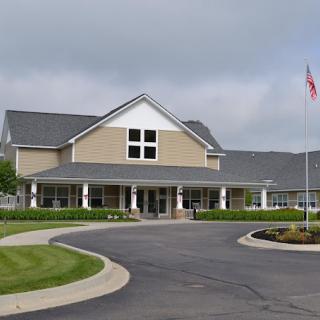
Concerned Country Care in Montrose is best suited for seniors who want a warm, home-like setting with genuinely attentive, personable staff and a sense of daily normalcy. The small, intimate scale helps caregivers know residents well, fostering close relationships and a feeling of belonging rather than institutional anonymity. Cleanliness and home-cooked meals reinforce daily comfort, while the staff’s ongoing warmth creates a reassuring atmosphere. For families who prize a caring touch and a community where a loved one is treated with kindness and consistent respect, this community offers a compelling, practical option.
Those who should consider alternatives are residents with substantial medical complexity or those needing robust, round-the-clock clinical oversight. Several voices highlight a potential mismatch between expectations and what the operation provides, describing care as “bare minimum” at times and noting that larger or more medically equipped communities may be better suited for higher needs. The small size and lean staffing can translate into fewer specialized resources, limited programming, and less capacity for intensive memory care or complex interventions. In short, it excels for people who are relatively mobile and independent with some daily assistance, but not for those requiring extensive medical support.
The strongest pros hinge on the human factor: staff kindness, consistent helpfulness, and a genuinely home-like culture. Managers and frontline caregivers are repeatedly singled out for being responsive, patient, and attentive, with names like Jen and Katie cited as standout presences. The ambiance, clean, comfortable, and neighborly, amplifies a sense of security and belonging. These advantages help offset some limitations in programming or scales of care, because residents and families gain real peace of mind from personalized interactions and observable affection in daily routines.
Conversely, the main drawbacks center on the potential for the care level to feel insufficient for certain residents. The mixed ratings, predominantly positive but punctuated by explicit warnings to “go somewhere else” for some families, signal that expectations and individual needs drive satisfaction. The concern isn’t merely about cost, but about whether the facility can meet higher care demands, provide diverse activities, or deliver consistent, specialized support. The smaller operation may also mean fewer on-site specialists and a less varied activity calendar, which can leave some residents feeling under-stimulated or inadequately supported as needs evolve.
In weighing pros against cons, the integrity of the staff and the intimate setting often offsets many day-to-day stressors for those who value companionship and warmth above bells and whistles. For residents who require minimal medical intervention but a steady, cheerful daily rhythm, the atmosphere can profoundly enhance quality of life. However, for families facing progressive needs, memory-care requirements, or a desire for a full suite of on-site services, the gaps become more consequential. The decision hinges on the trajectory of a loved one’s needs: does comfort and connection sustain while care demands rise, or is a larger, more medically equipped environment a prudent hedge?
Practical guidance for families evaluating Concerned Country Care is clear. During visits, probe staffing patterns, med-management processes, and how emergencies are handled after hours. Ask for recent examples of care plans and how they adapt to changing needs, and request candid references from current families about consistency of care and responsiveness to concerns. Compare this setting with larger communities offering expanded programming, memory-care modules, and more robust clinical staffing. The verdict is decisive: Concerned Country Care shines for seniors who prize a heartfelt, home-like vibe and dependable staff support in a small, intimate setting. It is less suited for those requiring extensive medical oversight, complex therapies, or richly scheduled activities. Families should enter with clear expectations and a plan to reassess as needs evolve.
 12 resident community capacity
 Assisted Living
 Board and Care Home
 Memory Care
 Activities on-site
 Cable or satellite TV
 Devotional services off-site
 Dining room
 Fully furnished
 Garden
 Housekeeping services
 Indoor common areas
 Move-in coordination
 Outdoor space
 Small library
 Telephone
 Bishop (14 miles away)
 24-hour supervision
 Ambulatory care
 Assistance with bathing
 Assistance with dressing
 Assistance with transfers
 Diabetes diet
 Diabetic care
 Meal preparation and service
 Medication management
 Mental wellness program
 Special dietary restrictions


 Understanding Dementia Through Its Seven Stages: A Comprehensive Look at Progression and Expectations
 A Holistic Dementia Care Guide: Effective Strategies for Memory Support
 Memory Care Pathways: A Holistic Guide to Dementia Support