
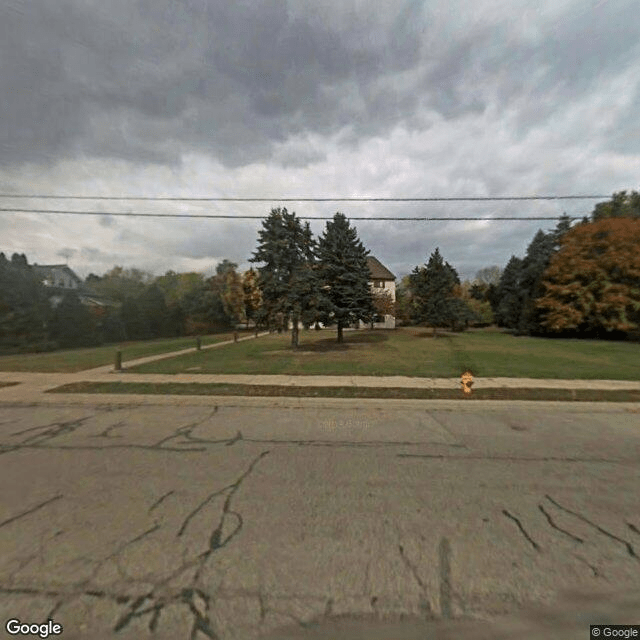
1110 38th Ave, Menominee, MI 49858
To contact a resident: (906) 792-9064
For more information about senior living options: (866) 208-4318
Overall Review of Haycreek Apartments
Pros
 The place is great.
- The apartments are quiet, clean, and secure.
- The apartments have been updated recently.
- It is a great place to live.
- The town houses are quite lovely.
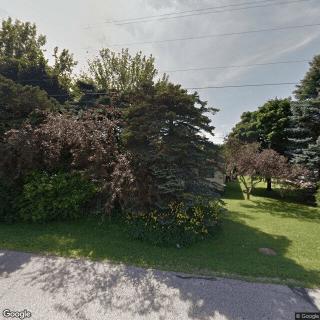
- The property is always well lit and has a cozy look from the sidewalk.
- Visitors have had positive experiences during every visit.
Cons
 It is not a good place to be.
- It is a horrible place.
- The service is bad.
- The doors can only be locked from the outside, and management holds the only keys.
- The door was left unlocked when they returned home and the apartment was vandalized.
- All the dressers were emptied on the floor, and items were scattered throughout the apartment.
- The thermostat is gone, and the oven burners are gone.
- The rent is not worth the dwelling; it feels more like a prison.
- Management enters without 24-hour notice and tries to control all aspects of residents' lives.
Review
Haycreek Apartments in Menominee, MI, is best suited for independent seniors who want updated living spaces, a quiet and well-lit environment, and a straightforward lease with minimal on-site care needs. The townhouses are described as quite pleasant and the apartments have been refreshed, contributing to a clean, secure street presence. It suits residents who can manage routine maintenance, adhere to house policies, and tolerate occasional friction with management. For those who prize low-key living without a heavy service footprint, Haycreek delivers practical value. The caveat is that reliability of management and predictable safety measures play a deciding role in overall satisfaction, and that can tilt the balance for or against this community depending on individual expectations.
On the plus side, the property earns points for a calm, tidy setting. Reviews frequently flag that the grounds are well maintained, lighting is ample, and the overall curb appeal is inviting. The interiors in the apartments have seen updates, and the visible security-tinged ambiance can comfort residents who want to feel safe without stepping into an assisted-living model. For some tenants, these tangible strengths translate into consistent comfort during daily routines, and even when moods swing, the environment remains a steady backdrop. In practice, this means Haycreek can deliver a dependable shell for independent living when other risk factors are managed elsewhere.
However, the balance tilts decisively toward the negatives for many prospective residents and their families. The service and management experience at Haycreek is widely viewed as a defining weakness. Anecdotes center on dismal incidents with management, lockouts where doors were inaccessible, keys misplaced, and even vandalism affecting a resident’s unit. There are also credible reports of aggressive enforcement of rules, misaligned expectations about pet policies, and a pattern of actions (such as towing a tenant’s vehicle) that undermine trust in staff. With nine one-star reviews out of fifteen, the consensus hints at a systemic strain in daily operations that undercuts the otherwise appealing physical features.
These management and policy concerns are not minor frictions; they shape daily quality of life in practical terms. Many reviewers describe living there as feeling more like a restrictive environment than a home, with frequent friction over parking, yard usage, and payment accountability. The sense of control over personal space and routine becomes a dominant theme, and the impression that tenants may be billed for items or damages beyond their responsibility compounds the unease. In short, the main cons, unpredictable staff responsiveness, stringent or opaque policy enforcement, and security-related vulnerabilities, often overwhelm the aesthetic and location advantages.
For families weighing options, several clear alternatives deserve consideration. If consistent, respectful management and a transparent policy framework are non-negotiable, exploring other Menominee options with a stronger track record of resident service is prudent. For seniors who anticipate needing daily assistance or closer oversight, moving toward an active assisted-living setting or a community with on-site care and clearly defined care plans becomes a prudent step. In cases where independence remains the priority but security and reliability are non-negotiable, insist on corroborating current tenants’ experiences, ask for concrete examples of problem resolution, and verify that any parking, door access, and lockout procedures are documented and enforceable.
In the end, Haycreek presents a mixed proposition: appealing if the goal is updated living space, quiet surroundings, and self-directed living, but risky if the priority is consistently managed service, transparent rules, and reliable resident safety. The decision should hinge on one’s tolerance for governance variability and potential access issues, weighed against the appeal of updated interiors and a peaceful environment. If the reader seeks a home where staff responsiveness and safety are predictable, Haycreek may not be the right fit; if independence paired with well-maintained surroundings is the core need, it warrants a careful, time-limited trial with stringent questions and a clear exit plan.
 Active Adult Communities (55+)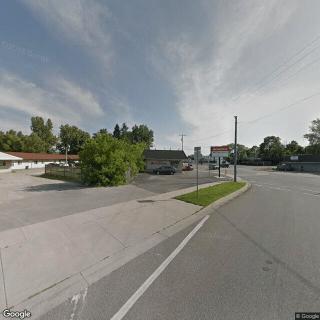


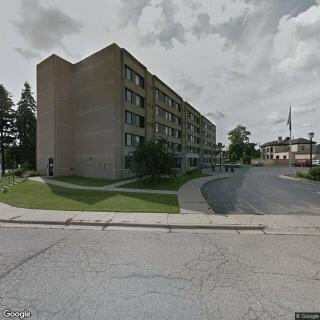
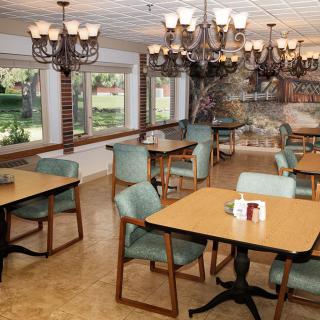
 Navigating the Tax Landscape of Caregiving: Credits, Deductions, and Beyond
 Highly Beneficial Low-Impact Exercises for Senior Living Residents
 Is In-Home Healthcare Tax Deductible? Your Comprehensive Guide