
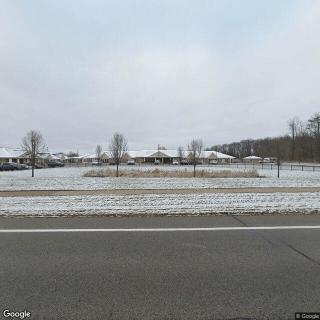
3136 Harper Road, Mason, MI 48854
For more information about senior living options: (866) 208-4318
Overall Review of Kekelis Afc Home III
Pros
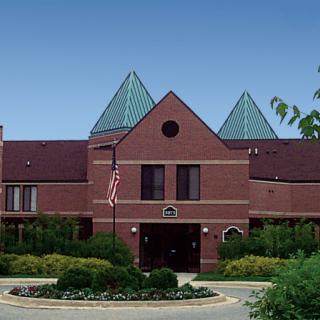
 The facility was clean and nicely designed.
- All the staff were very nice.
- The place is wonderful, with great staff, great accommodations, and much love for each resident.
- The staff take very good care of residents.
- The facility is very beautiful and clean.
- Green Acres is a lovely place with lovely people.
Cons
 The food needs to be improved.
- The staff are very rude.
- The staff are inexperienced, the food is bad, and the administrator's communication is poor.
Review
Kekelis Afc Home III in Mason, Michigan is best suited for families seeking a small, home-like setting where care feels personal, staff are accessible, and cleanliness and warmth define daily life. The community works best for seniors who prefer intimate routines, familiar faces, and responsive assistance over the more clinical rhythm of larger facilities. It suits residents who do not require heavy on-site medical programming and who value a quiet, neighborly atmosphere with a strong emphasis on relationships. For decision-makers, the question is whether a compact, family-style environment aligns with the resident’s health needs, meal expectations, and the consistency of service that will be required over time.
On the upside, multiple accounts describe a space that is clean, attractive, and well-maintained. The design and upkeep create an inviting backdrop that reduces the sterile feel often associated with care settings. Staff are repeatedly portrayed as kind and conscientious, with caregivers who genuinely invest in residents’ comfort and mood. Several families report that staff form meaningful, almost familial connections, going beyond routine tasks to know residents’ likes, dislikes, and histories. In many reviews, the atmosphere feels like a welcoming home, with residents described as receiving personalized attention and care that resonates with families seeking a less institutional experience.
Yet the praise sits alongside notable cautions. A subset of reviews flags rude or inexperienced staff, and there are clear calls for stronger administrative communication. Food quality emerges as a recurring concern, described by some as needing improvement, which matters greatly in daily satisfaction and overall nutrition. These negative threads matter because they touch daily life: meals, tone of interaction, and the reliability of information flow from leadership. The inconsistencies across staff and some gaps in meal planning cannot be ignored, especially by families that prioritize predictable service and professional polish as essential components of ongoing care.
Those pros and cons interact in a practical way. The strongest offset comes from the very environment: a clean, homey, and affectionate setting where staff relationships can compensate for occasional service gaps. For residents who thrive on direct, personal attention and who do not demand a fixed, highly structured activity calendar, the warmth and immediacy of caregiving can absorb some rudeness or missteps. However, where concerns persist, such as meal quality, administrative responsiveness, or reliable staffing, these gaps have a real impact on daily satisfaction and long-term comfort. In short, the good places a strong emphasis on human connection, but the weaker areas can erode confidence unless addressed through proactive oversight and open communication.
Families weighing alternatives should consider options with more predictable professional standards and stronger governance if the priorities include consistently high meal quality, uniformly courteous staff, and clear, timely administrative follow-through. Bigger assisted living communities or AFC homes with documented staff training, structured quality assurance, and meal programs that accommodate preferences and dietary needs may appeal to those seeking steadier operations. For residents with complex medical needs or those requiring steady clinical oversight, alternatives that offer more robust on-site programming and oversight are worth evaluating. This community can be a compelling fit, but only for those prepared to monitor and address the variability in staffing and dining experiences.
Practical next steps involve granular due diligence. Prospective families should tour formally, observe how staff interact with residents across different times of day, and request to meet the administrator and front-line caregivers. Dial in on questions about staff training, turnover rates, and whom to contact with concerns; examine meal menus, dietary accommodations, and actual meal execution; review incident and communication protocols, and seek current resident or family references beyond the posted reviews. Assess the physical environment not only for cleanliness but for geographies of care, bathroom safety, fall risk measures, and ease of navigation. If warmth, personal connection, and a clean, welcoming setting align with needs, and if potential inconsistencies in staff behavior and meals can be actively managed, Kekelis Afc Home III stands as a practical, loving option. If those caveats feel too limiting, it is prudent to keep exploring other communities with firmer structures and more uniform operational consistency.
 6 resident community capacity
 Assisted Living
 Board and Care Home
 Respite Care
 Cable or satellite TV
 Dining room
 Fully furnished
 Garden
 Housekeeping services
 Move-in coordination
 Outdoor space
 Telephone
 Wi-Fi/high-speed internet available
 Capital City (13 miles away)
 24-hour supervision
 Activities of daily living assistance
 Assistance with bathing
 Assistance with dressing
 Assistance with transfers
 Diabetes diet
 Meal preparation and service
 Medication management
 Special dietary restrictions
 Transportation arrangement (medical)
 Transportation to doctors appointments





 How and When Medicaid May Cover Assisted Living Costs
 A Detailed Exploration of Assisted Living Medicaid Waivers Across the United States
 Comprehensive Residential Support and Assisted Living Solutions for Individuals with Disabilities