
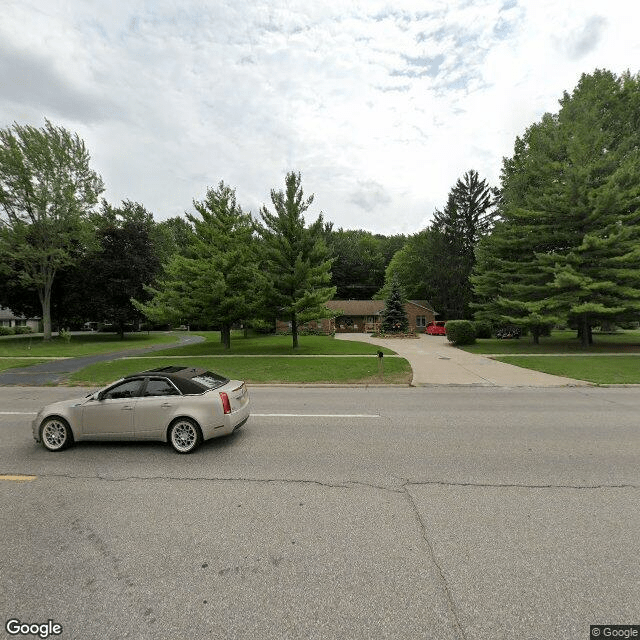
32477 6 Mile, Livonia, MI 48152
To contact a resident: (313) 952-0945
For more information about senior living options: (866) 208-4318
Kim's Comforts of Home Costs & Pricing
At Kim's Comforts of Home, the monthly cost for a semi-private room is set at $4,000, which reflects the premium services and personalized care that residents receive. In comparison, the average costs in Wayne County stand at approximately $2,860, while the state average for Michigan is around $3,191. This positioning indicates that Kim's Comforts of Home offers an elevated standard of living and support relative to both regional and state benchmarks. Potential residents and their families can expect a tailored experience that prioritizes comfort and quality of life within this welcoming environment.
| Floor plans | Kim's Comforts of Home | Wayne County | Michigan |
|---|---|---|---|
| Semi-Private | $4,000 | $2,860 | $3,189 |
Assisted Living communities with a similar price nearby
-
from -$200 / mo

Silverbell Manor
$3,800 / month22.9 miles away -
from -$400 / mo

Pineview Manor
$3,600 / month22.8 miles away -
from -$505 / mo
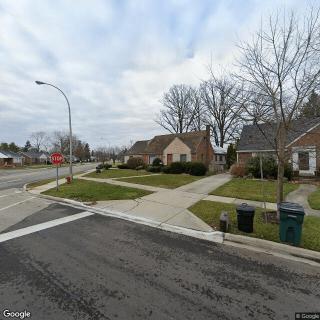
Christman Adult Foster Care Home
$3,495 to $6,395 / month12.5 miles away -
from -$500 / mo
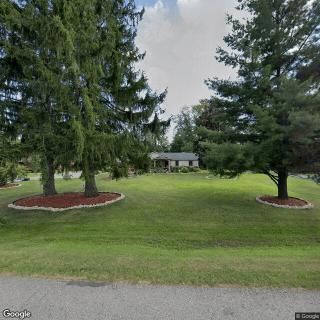
Briar Hill Assisted Living
$3,500 to $4,500 / month4.6 miles away -
from -$200 / mo
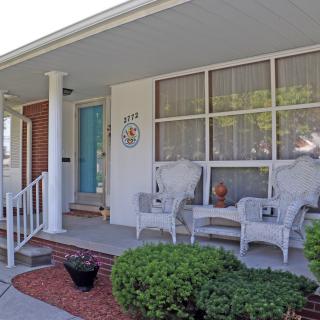
22nd Street Senior Care
$3,800 to $4,300 / month17.2 miles away
Overall Review of Kim's Comforts of Home
Pros
 The home is described as wonderful and truly feels like a home.
- The welcoming atmosphere includes the aroma of home-cooked chicken and dumplings, signaling attentive care.
- Kim and James are described as knowledgeable and loving caregivers who treat residents like family.
- The care is described as loving, experienced, and provided in a beautiful, homey setting.
- Families feel fortunate to have found this memory care, hospice setting and express lasting respect and gratitude.
Review
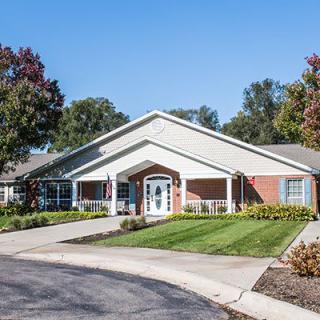
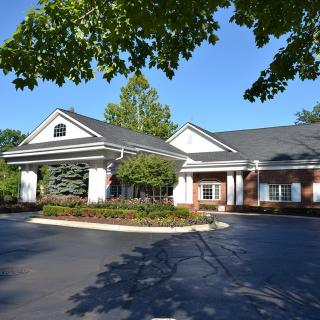
Kim's Comforts of Home in Livonia, MI is best suited for families seeking a tightly knit, home-like memory-care environment where dementia care is delivered with genuine warmth, continuity, and a strong sense of family. The atmosphere reads like stepping into a private residence rather than a clinical campus: kitchen aromas, familiar routines, and caregivers who know residents by name and life story. For families facing dementia progression or hospice needs, this setting provides stability, individualized attention, and a reassuring daily rhythm that can ease anxiety for both residents and their loved ones. The focus on comfort, safety, and compassionate caregiving translates into meaningful days where residents appear well cared-for and engaged, not merely supervised.
Who should consider alternatives becomes clear when medical intensity and scale are priorities. If a resident requires a higher level of medical oversight, aggressive nursing intervention, or a facility with broader programming and greater capacity, this community may feel limited. The small, home-based model excels precisely because of its intimate relationships, but it naturally carries constraints in staffing depth and service breadth. Families should verify on-site medical coverage, emergency protocols, and the availability of specialized memory-care interventions to ensure alignment with current and anticipated needs. For those seeking a more institutional setting or a campus with multiple care tiers, larger memory-care or assisted-living providers may be a better fit.
The strongest advantages lie in the home-like ambiance and the staff’s dementia-focused approach. The care team, led by Kim and James, is described as knowledgeable, loving, and deeply invested, translating into consistent, person-centered care and authentic emotional support. Residents feel like family members themselves, treated with dignity rather than as tasks to complete. The daily environment, home-cooked meals, familiar routines, and personal attention, often yields steadier mood, reduced agitation, and a sense of safety that is hard to replicate in more clinical settings. The hospital-referral context cited in one review underscores a credible trust from outside professionals, signaling reliability for memory-care and hospice-oriented needs.
A homey setting paired with experienced, compassionate caregivers creates an emotional safety net and predictable daily life that is difficult to match in larger facilities. Continuity of care, same caregivers, same routines, the comfort of familiar smells, helps reduce confusion for residents with dementia and fosters trust among families. The facility’s demonstrated capacity to support hospice goals and long-term care on site signals a maturity in end-of-life care that many families prize, especially when navigating advanced dementia. This combination often translates into better quality of life, smoother transitions, and fewer distressing incidents, even as the condition progresses.
Nevertheless, potential drawbacks deserve careful consideration. The available information provides limited detail on medical staffing levels, 24/7 nurse availability, or on-site physician access, leaving questions about how acute medical needs are managed during off-hours. Capacity is inherently tied to a small operation, which can affect admissions flexibility and responsiveness to rapid changes in care requirements. For residents whose needs demand intensive skilled nursing, frequent professional oversight, or a broad array of therapies, alternatives with larger teams and more substantial clinical supports may prove more suitable. Yet for dementia-specific comfort, caregiver continuity, and a serene day-to-day life, these gaps are often the trade-off that yields superior day-to-day well-being.
Decision guidance should steer families toward a clear conclusion: prioritize Kim's Comforts of Home if memory-care needs dominate and a homelike atmosphere with consistent caregiver relationships matters most. This setting excels at delivering warmth, dignity, and emotional validation in ways that larger facilities often struggle to replicate. If medical acuity is the overriding concern, requiring aggressive nursing support, rapid clinical interventions, or extensive therapeutic programming, consider facilities with broader clinical resources. Prospective families are advised to arrange a visit, meet Kim and James, and review care plans, safety features, and staffing patterns to ensure alignment with both current and anticipated needs. When the fit is right, this community offers a rare blend of intimacy and professional, compassionate memory care that can make a meaningful difference for residents and their families.
 6 resident community capacity
 Assisted Living
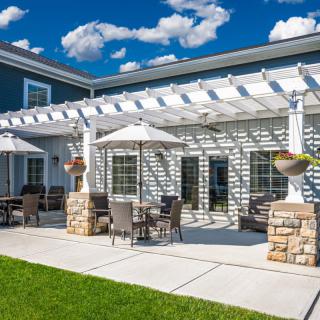
 Board and Care Home
 Cable or satellite TV
 Dining room
 Fully furnished
 Garden
 Housekeeping services
 Move-in coordination
 Outdoor space
 Telephone
 Wi-Fi/high-speed internet available
 Detroit Metropolitan-Wayne County (14 miles away)
 24-hour supervision
 Activities of daily living assistance
 Assistance with bathing
 Assistance with dressing
 Assistance with transfers
 Diabetes diet
 Meal preparation and service
 Medication management
 Special dietary restrictions
 Transportation arrangement (medical)
 Transportation to doctors appointments
 Comprehensive Residential Support and Assisted Living Solutions for Individuals with Disabilities
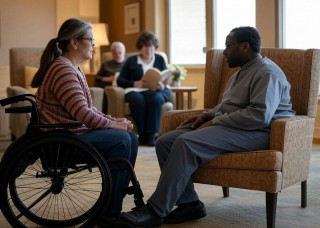
 Comprehensive Supportive Living Arrangements for Adults with Disabilities
 Funding and Affording Assisted Living: A Thorough Overview