
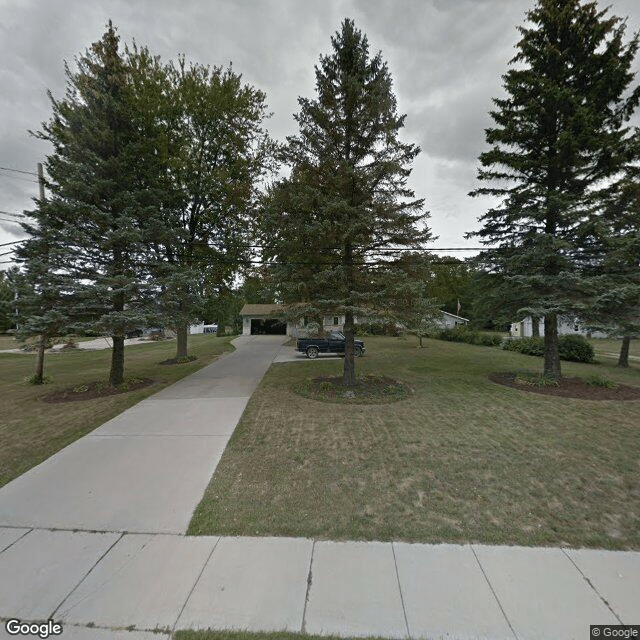
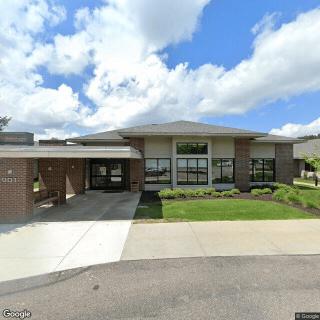
627 E Silver Lake Road, Linden, MI 48451
To contact a resident: (810) 735-7519
For more information about senior living options: (866) 208-4318
Linda's Place AFC Costs & Pricing
Linda's Place AFC offers competitive pricing for its residential care services, with monthly costs that are notably lower than both Livingston County and the broader state of Michigan. For a semi-private room, residents pay $2,200 per month, significantly below the county's average of $3,952 and the state's average of $3,191. Similarly, the cost for a private room at Linda's Place is set at $2,500, which again is more affordable compared to Livingston County's average of $3,808 and Michigan's average of $3,675. This pricing strategy underscores Linda's Place AFC commitment to providing accessible and high-quality care while maintaining a welcoming environment for its residents.
| Floor plans | Linda's Place AFC | Livingston County | Michigan |
|---|---|---|---|
| Semi-Private | $2,200 | $3,952 | $3,189 |
| Private | $2,500 | $3,808 | $3,674 |
Senior living communities with a similar price nearby
-
from +$300 / mo

Sunset Pines AFC
$2,500 to $3,500 / month18.3 miles away -
from +$300 / mo
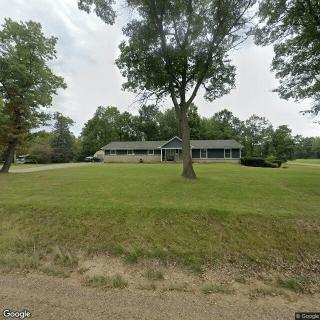
Lakeview Elderly Home
$2,500 / month18.2 miles away -
from -$221 / mo
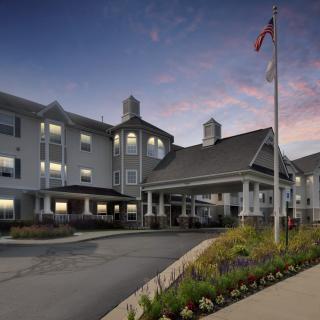
Oakhaven Manor
$1,979 to $2,299 / month15.4 miles away -
from +$395 / mo
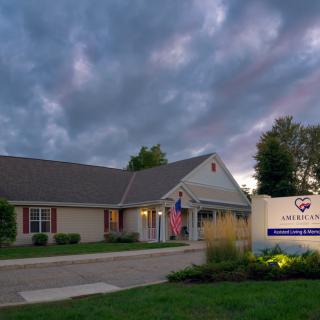
Americana Seniors
$2,595 to $5,795 / month19.9 miles away -
from -$350 / mo
American House Grand Blanc Senior Living
$1,850 to $3,540 / month10.4 miles away
Overall Review of Linda's Place AFC
Pros
 The home is spacious and clean.
- The staff is friendly and mindful of the patients.
- The aunt is safer, cleaner, healthier, and eating much better than before.
- The facility is nice, very clean, and smaller.
Cons
 One should never place a loved one at Linda's Place in Linden, Michigan.
- There is something wrong with the owner.
- The staff are unfriendly and not very nice to their residents.
- The facility should be investigated by the state.
- The daughter running the place is very untruthful about their services.
- There is something very wrong with her mother.
- Visiting hours are very limited.
- The 30-day notice for reimbursement after a death is unfair.
Review
Linda’s Place AFC in Linden, Michigan is best suited for seniors who want a true home-like setting with a very small footprint, up to six residents, where daily life feels intimate and caregivers can establish recognizable routines. This is a fit for families seeking highly individualized attention, predictable schedules, and a sense of safety that comes from a tightly run, homelike environment rather than a larger, institutional campus. For a resident who does not require intensive medical oversight and who benefits from close daily contact with a small caregiving team, Linda’s Place can feel like a reassuring, personal alternative to a hospital-like setting.
On the plus side, the atmosphere tends to be clean, calm, and comfortable, with staff described as friendly and mindful of individual needs. The small scale often translates into more hands-on oversight, faster responses to everyday concerns, and meals that feel more nourishing and engage better with residents than a solitary, at-home arrangement might. Families repeatedly note that their loved ones appear safer, cleaner, and healthier in this home environment, with daily routines that foster dignity and consistency. For residents who thrive on familiarity and personal attention, these advantages are meaningful and palpable.
Yet the concerns voiced by reviewers center on governance, transparency, and financial terms. The strongest red flag is perceived or alleged instability at the top, claims about the owner’s demeanor and who runs the operation, creating a sense of mistrust about what is actually provided and how it is communicated. There is also a troubling note about reimbursement practices after a loved one’s death, with a 30-day notice cited as a barrier to timely refunds, which can leave families financially overextended during an emotionally exhausting period. Limited visitation hours compound the problem, making it harder for family members to be involved, particularly during health declines or hospice phases.
These positives do not fully offset the main drawbacks. The intimate, attentive setting addresses daily safety, nutrition, and companionship, but the governance concerns undermine reliability and the confidence needed to make a long-term commitment. Before choosing Linda’s Place, families should secure a comprehensive, written service plan that clearly specifies included care, medications management, and escalation procedures if supervision needs rise. A transparent contract covering refunds and the legitimacy of the 30-day notice requirement is essential, along with verification of state licensing and a candid discussion about how visiting hours are actually managed in practice, including exceptions for hospice or urgent family needs.
For families leaning toward alternatives, Linda’s Place may not be the default choice. Those who prize unwavering transparency, flexible visitation, predictable financial terms, and stronger clinical oversight will likely find truer alignment elsewhere. Other small AFC homes or independent-assisted settings in the area can deliver comparable intimacy without the reported governance uncertainties, while larger, traditional assisted living communities tend to offer broader activity calendars, steadier staffing, and clearer policies, often with more predictable financial terms and more robust family access. The key is to compare governance practices, licensing status, and the exact scope of care against personal priorities and family obligations.
In the end, Linda’s Place can be a good fit for a select group of seniors who flourish in a warm, intimate home and require moderate supervision. However, the combination of management concerns and stringent reimbursement terms means caution is essential, and alternatives deserve careful consideration. If this option is pursued, insist on a rock-solid written agreement that details care plans, visitation flexibility, and financial terms, and verify licensing and references up front. For families seeking a high degree of transparency and predictable policies, a more clearly governed option may deliver greater peace of mind and fewer surprises over time.
 Board and Care Home
 Activities on-site
 Bath tubs
 Beautician on-site
 Indoor common areas
 Outdoor common areas
 Private
 Private bathrooms
 Respite or short term stays offered
 Bishop (11 miles away)
 Ambulatory care
 Diabetic care
 High acuity care
 Incontinence care
 Medication management
 Meals provided


 Exploring Nonmedical Home Care: Understanding Services, Costs, and Financial Approaches
 Engaging Brain Games and Innovative Apps to Keep Senior Minds Active
 Effective Strategies for Keeping Seniors' Minds Active: A Deep Dive into Brain Games and Apps