
420 Russell Street, Leslie, MI 49251
For more information about senior living options: (866) 208-4318
Overall Review of Twin Pines Adult Foster Care
Pros
 The staff provide excellent care and kindness to Roberta White.
- The food is wonderful and residents are kept clean and well groomed daily.
- The place feels like home and offers comfort compared to other situations.
- Nina the manager stays on top of medical needs and keeps families informed.
- Divine Nest is a perfect fit for couples to stay together and is highly recommended.
- The facility is clean, cheerful, and the staff are respectful and caring, with proactive management.
- Families consistently praise Divine Nest for its caring environment and the extra support during difficult times.
Review
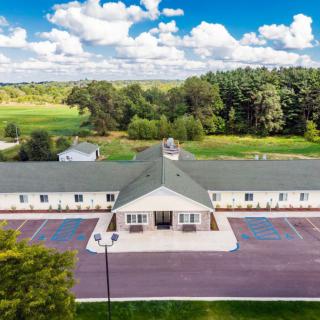
Twin Pines Adult Foster Care in Leslie, Michigan is best suited for seniors who want a home-like, tightly run environment where caregivers feel like an extension of family. This community shines for residents who value consistent daily support, help with dressing, staying groomed, and maintaining clean clothes, paired with meals that feel satisfying and thoughtfully prepared. The atmosphere is described as warm, cheerful, and intimate rather than institutional, with staff who know residents well and attend to routine safety checks and personal care. For families that prioritize steady, human-scale attention over a large campus experience, Twin Pines stands out as a practical, emotionally reassuring choice.
Those weighing options should consider alternatives if the priority is extensive on-site medical oversight, advanced memory-care programming, or a broad array of amenities offered on bigger campuses. If a resident requires frequent nursing interventions, complex clinical support, or a calendar of highly structured activities and therapies, other facilities may better meet those needs. Twin Pines excels in preserving a gentle, low-key rhythm and fostering close, caring relationships, but that format can feel limiting for families seeking more expansive medical resources or a bustling social calendar. Any move should include a plan for escalation with outside providers if health needs evolve.
The core advantages are hard to miss. Staff consistently come across as genuinely caring and attentive, with management that communicates clearly and stays engaged in medical coordination, giving families confidence that concerns will be addressed promptly. The environment tends to be clean and cheerful, and residents report enjoying meals that are both tasty and comforting. The small footprint of the operation enables sharper oversight and more personalized routines, helping caregivers notice subtle changes in health or mood and respond quickly. When hospice or end-of-life considerations arise, the team demonstrates sensitivity and supportive practices that families value deeply.
Yet there are natural trade-offs in a smaller, foster-care–style setting. The footprint of services is more modest than at a large assisted-living campus, which can translate into fewer on-site medical resources and fewer high-end programming options. For residents who require intensive medical management, specialized therapy suites, or a wide variety of enrichment activities, the setting may feel restrictive. This is not a critique of quality, but a practical acknowledgment: the benefit of tight-knit care comes with a narrower range of on-site services, making coordination with external providers more central to ongoing needs.
The pros, personalized care, steady communication, and a homelike daily life, precisely offset those potential gaps for many families. When staff know residents by name, celebrate small milestones, and maintain a welcoming, safe routine, concerns about medical escalation and activity breadth become less daunting. The culture of care translates into real peace of mind for families during transitions, offering reassurance that a loved one will be treated with dignity, warmth, and consistent attention. That combination is especially powerful for couples or independent-spirited seniors who simply want to stay engaged and comfortable in a small, trusted setting.
Bottom line: Twin Pines is a compelling choice for families seeking a quiet, intimate environment where dependable staff and transparent communication drive daily quality of life. It is well suited to seniors who thrive on routine, companionship, and the sense that care is personalized and readily adaptable to changing needs. Those with priority on aggressive medical management, expansive programming, or campus-scale amenities should actively compare alternatives. A visit will illuminate whether the lived experience aligns with the family’s expectations and the resident’s temperament. If it does, Twin Pines offers a practical, compassionate path to safer, more enjoyable daily living.
 6 resident community capacity
 Assisted Living
 Cable or satellite TV
 Dining room
 Fully furnished
 Garden
 Housekeeping services
 Move-in coordination
 Outdoor space
 Telephone
 Wi-Fi/high-speed internet available
 Capital City (24 miles away)
 24-hour supervision
 Activities of daily living assistance
 Assistance with bathing
 Assistance with dressing
 Assistance with transfers
 Diabetes diet
 Meal preparation and service
 Medication management
 Special dietary restrictions
 Transportation arrangement (medical)
 Transportation to doctors appointments




 Social Security Benefits and Assisted Living: Navigating Options Across the U.S.
 An Extensive Exploration of the VA Aid and Attendance Benefit
 Senior Transition Services: Understanding Their Role, Cost, and Importance