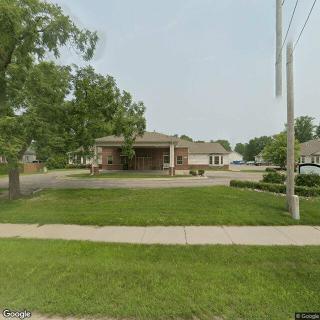
Whispering Willow II in Lapeer, MI

1562 North Saginaw Street, Lapeer, MI 48446

For more information about senior living options: (844) 490-3973

5 from 14 reviews
5 stars
14
4 stars
0
3 stars
0
2 stars
0
1 stars
0

Assisted Living

Overall Review of Whispering Willow II

Pros

  • pro Whispering Pines provides compassionate care at a reasonable price.
  • pro The staff and owners are conscientious, kind, and dedicated to helping others.
  • pro Whispering Pines is a blessing to families and is readily available when needed.
  • pro The environment feels peaceful and home-like, not clinical.
  • pro The staff helps residents acclimate with patience and respect, making them feel at home.
  • pro Residents are safe, comfortable, and well cared for.
  • pro The facility celebrates holidays with decorations, festive food, and joy, including homemade meals.
  • pro Families are kept informed and supported by attentive staff.

Review

Whispering Willow II in Lapeer is best suited for families seeking a warm, home-like residential setting where a loved one can receive intensely personal caregiving, especially when hospice or serious illness is part of the picture. The reviews consistently highlight a clean, peaceful environment, a conscientious staff and owner, and a culture of genuine care that treats residents with dignity. For residents who are mobile and enjoy daily routines that include interaction, outdoor time, and home-cooked meals, the atmosphere reads as a trusted, second-home environment. This is not a clinical, hospital-like campus; it is a place where daily life centers on comfort, familiarity, and personal attention.

Who may want alternatives becomes clear quickly. Those requiring a higher level of medical machinery, around-the-clock skilled nursing, or highly structured, campus-wide memory-care programs may find this setting too intimate. For families prioritizing a large, resource-rich campus with extensive on-site therapies, broad specialty services, or aggressive disease management programs, a bigger facility may better meet expectations. Additionally, if proximity to certain specialists or a broader timetable of activities is essential, some families might prefer alternatives with more expansive medical and social programming.

The core strengths - consistently compassionate staff, a leadership-driven by a caring owner, and a home-like atmosphere - are the main factors that offset the lack of hospital-scale resources. Families report residents are kept safe and comfortable, with staff who collaborate to address evolving needs. The sense that residents are treated like family translates into daily life that feels stabilizing during difficult seasons. The homemade meals and the festive, holiday-centered rhythms contribute to a sense of normalcy and belonging that is often more reassuring than more clinical arrangements. In moments of end-of-life care or serious illness, this intimate, person-centered approach is a powerful offset to the absence of a large medical team.

Communication and consistency stand out as critical advantages. Families repeatedly describe staff who keep loved ones' caregivers in the loop, who adjust care promptly as conditions change, and who provide steady updates so families can rest with confidence. The owner's hands-on approach appears to shape a cohesive team culture where residents are consistently supported, and families feel their loved ones are seen and valued. For residents with dementia or cancer, these factors - predictable routines, familiar faces, and continuous reassurance - can meaningfully reduce anxiety, contributing to better quality-of-life even when health concerns persist. The ability to remain integrated into a comfortable, neighborly setting - rather than a sterile, impersonal facility - also matters greatly.

On the downside, the small-scale nature of a home-like setting naturally implies some trade-offs. While the reviews do not flag major downside risks, it is prudent to consider potential limits in medical intensity and on-site services when planning for future care trajectories. The strength of intimate staff attention can coincide with slower responsiveness during peak times or when specialized nursing resources are required beyond what the team normally provides. These are not deal-breakers for many families, but they are real considerations to confirm - specifically staffing ratios, the availability of skilled nursing assistance, and how outside specialists coordinate care if medical needs escalate.

Bottom line: Whispering Willow II is a compelling choice for caregivers who want a true home-away-from-home experience where residents are cherished, meals are crafted in-house, and staff treat families as partners. It excels for dementia- or cancer-related care within a hospice-adjacent, peaceful setting that emphasizes safety, comfort, and meaningful daily life. Alternatives should be contemplated if the priority is a larger campus with expansive medical services, more daytime programming, or a more clinical environment. For families prioritizing warmth, trust, and a dignified, emotionally supported end-of-life journey, this community delivers with credibility and heart.

Features

Housing

  • 6 resident community capacity 6 resident community capacity

Types of Care

  • Assisted Living Assisted LivingAssisted living facilities provide crucial support and care for seniors who may need help with daily tasks such as medication management, bathing, and meal preparation. These communities offer a safe and comfortable environment where seniors can maintain their independence while receiving the assistance they need to thrive in their golden years.

Amenities

  • Cable or satellite TV Cable or satellite TVCable or satellite TV is important for seniors because it provides entertainment, news, and companionship, helping to combat loneliness and boredom. It also offers a wide range of programming options tailored to different interests and preferences.
  • Dining room Dining roomDining rooms are important for seniors as they provide a space for socialization, connection, and nutritious meals. They offer opportunities for residents to bond over shared meals, foster a sense of community, and promote healthy eating habits. Dining rooms also ensure that seniors have access to well-balanced meals tailored to their dietary needs and preferences.
  • Fully furnished Fully furnishedFully furnished senior living communities are important for seniors because they provide convenience, comfort, and a hassle-free moving experience. Seniors can easily settle into their new living space without the stress of having to buy and move furniture. This allows them to focus on enjoying their new home and community.
  • Garden GardenGardens are important for seniors as they provide a peaceful and therapeutic environment for relaxation, physical activity, and socialization. Being in nature has been shown to reduce stress, improve mood, and promote overall well-being. Gardens also offer opportunities for seniors to engage in gardening activities, which can improve mobility, flexibility, and cognitive function. Additionally, gardens create a sense of community and connection with others who share a passion for plants and outdoor spaces.
  • Housekeeping services Housekeeping servicesHousekeeping services are important for seniors because they help maintain a clean and safe living environment, promote independence, and reduce the risk of accidents or illnesses. Additionally, having assistance with household chores can alleviate physical strain and allow seniors to focus on other aspects of their well-being.
  • Move-in coordination Move-in coordinationMove-in coordination is important for seniors because it helps ease the transition into their new living environment. It ensures that all logistics, such as packing, organizing movers, and setting up utilities are taken care of, allowing seniors to focus on settling in and adjusting to their new home. Having a smooth move-in process can alleviate stress and anxiety, making the transition smoother and more enjoyable for seniors.
  • Outdoor space Outdoor spaceOutdoor spaces are important for seniors as they provide opportunities for physical activity, social interaction, exposure to natural light and fresh air, and a sense of connection to nature. Having access to outdoor spaces can improve overall well-being and quality of life for older adults living in senior communities.
  • Telephone TelephoneTelephones are important for seniors as they provide a lifeline for communication with loved ones, emergency services, and healthcare providers. They offer a sense of security and independence, enabling seniors to stay connected and access assistance when needed.
  • Wi-Fi/high-speed internet available Wi-Fi/high-speed internet availableWi-Fi/high-speed internet is important for seniors to stay connected with loved ones, access online resources, and participate in virtual activities to combat feelings of loneliness and isolation. It also allows them to easily manage healthcare needs, access entertainment, and engage in lifelong learning opportunities.

Transportation

  • Bishop (23 miles away) Bishop (23 miles away)

Care Services

  • 24-hour supervision 24-hour supervision24-hour supervision is important for seniors to ensure their safety, well-being, and access to immediate assistance in case of emergencies or health issues. This constant support provides peace of mind for both seniors and their loved ones, allowing them to age in place with dignity and security.
  • Activities of daily living assistance Activities of daily living assistanceActivities of daily living assistance are important for seniors because they provide essential support with tasks such as eating, bathing, dressing, and mobility. This assistance helps seniors maintain their independence, dignity, and overall quality of life as they age.
  • Assistance with bathing Assistance with bathingAssistance with bathing is crucial for seniors as it helps maintain personal hygiene, prevents infections, and ensures their overall well-being and comfort. It also provides a sense of dignity and independence for seniors who may struggle with this task on their own.
  • Assistance with dressing Assistance with dressingAssistance with dressing is important for seniors because it helps maintain their independence, promotes personal hygiene, prevents accidents and injuries, and improves overall quality of life. This service ensures that seniors can continue to dress comfortably and confidently, despite any physical limitations they may have.
  • Assistance with transfers Assistance with transfersAssistance with transfers is crucial for seniors as it helps prevent falls and injuries, maintains their independence, and ensures they can safely navigate their living environment. It also provides peace of mind for both seniors and their loved ones.
  • Coordination with health care providers Coordination with health care providersCoordination with health care providers is crucial for seniors to ensure proper medical care, medication management, and overall well-being. This collaboration helps prevent overlapping treatments, track progress more effectively, and provide comprehensive support tailored to individual needs.
  • Diabetes diet Diabetes dietA diabetes diet is crucial for seniors as it helps manage blood sugar levels, reduce risks of complications, and improve overall health and well-being. By following a balanced and nutritious diet tailored to their specific needs, seniors can better control their diabetes and enhance their quality of life.
  • Meal preparation and service Meal preparation and serviceMeal preparation and service are crucial for seniors as they may have limited mobility or energy to cook nutritious meals. Having access to healthy and convenient food options can ensure they are getting the proper nutrition needed to maintain their overall health and well-being.
  • Medication management Medication managementMedication management is crucial for seniors to ensure they are taking the right medications at the correct dosages and times. This helps prevent adverse drug interactions, reduces the risk of medication errors, and promotes overall health and well-being. Proactive management also allows for adjustments as needed based on changing health conditions or new prescriptions.
  • Special dietary restrictions Special dietary restrictionsSpecial dietary restrictions are important for seniors because age-related changes in metabolism and health conditions can make it difficult for their bodies to process certain foods. By following a diet tailored to their specific needs, seniors can maintain their overall health and well-being, manage chronic conditions, and reduce the risk of complications such as malnutrition or food interactions with medications.
  • Transportation arrangement (medical) Transportation arrangement (medical)Transportation arrangements for medical purposes are essential for seniors as they may have difficulty driving themselves to appointments or accessing public transportation. Having reliable and safe transportation options ensures that seniors can receive timely medical care and maintain their health and well-being.
  • Transportation to doctors appointments Transportation to doctors appointmentsTransportation to doctors' appointments is crucial for seniors as it ensures they have access to necessary medical care and support for their health needs. Without reliable transportation, seniors may struggle to attend important appointments, leading to potential delays in treatment and health complications. Providing transportation services helps seniors maintain their overall well-being and quality of life.
Dining

  • Diabetes diet Diabetes dietA diabetes diet is crucial for seniors as it helps manage blood sugar levels, reduce risks of complications, and improve overall health and well-being. By following a balanced and nutritious diet tailored to their specific needs, seniors can better control their diabetes and enhance their quality of life.
  • Special dietary restrictions Special dietary restrictionsSpecial dietary restrictions are important for seniors because age-related changes in metabolism and health conditions can make it difficult for their bodies to process certain foods. By following a diet tailored to their specific needs, seniors can maintain their overall health and well-being, manage chronic conditions, and reduce the risk of complications such as malnutrition or food interactions with medications.

Activities

  • Community-sponsored activities Community-sponsored activitiesCommunity-sponsored activities are important for seniors as they provide opportunities for social interaction, mental stimulation, and physical activity. These activities can help improve overall well-being, combat loneliness and isolation, and promote a sense of belonging and purpose among older adults.
  • Scheduled daily activities Scheduled daily activitiesScheduled daily activities are important for seniors because they provide structure, socialization, mental stimulation, and physical activity. Engaging in regular activities can improve overall well-being and quality of life for seniors living in a community setting.

Description

Whispering Willow II in Lapeer, MI is an exceptional assisted living community that offers a wide range of amenities and care services to ensure the comfort and well-being of its residents. The community boasts a dining room where nutritious and delicious meals are served, catering to special dietary restrictions. Each apartment is fully furnished and residents can enjoy spending time outdoors in the lovely garden or outdoor spaces provided.

Housekeeping services are provided to maintain cleanliness and tidiness within the community. Residents also have access to Wi-Fi/high-speed internet and telephone services, allowing them to stay connected with their loved ones easily.

When it comes to care services, Whispering Willow II excels in providing assistance with activities of daily living such as bathing, dressing, and transfers. The staff also coordinate with health care providers for any additional medical needs and medication management. Special dietary restrictions are taken into consideration when preparing meals, ensuring that each resident's needs are met.

Transportation arrangement for medical purposes as well as transportation to doctors' appointments is available for the convenience of the residents. This ensures easy access to healthcare services whenever necessary.

Residents at Whispering Willow II can look forward to engaging daily activities scheduled by the community. These activities aim to promote physical, mental, and social stimulation among the residents, encouraging an active and fulfilling lifestyle.

The location of this assisted living community provides easy access to various amenities nearby. There are cafes, parks, pharmacies, physicians' offices, restaurants, places of worship, theaters, and hospitals all within close proximity. This allows residents to easily explore their surroundings or seek additional services as needed.

Overall, Whispering Willow II in Lapeer is a warm and welcoming assisted living community that prioritizes the care and comfort of its residents. With its comprehensive amenities and exceptional care services, it provides a nurturing environment where seniors can thrive and enjoy their golden years.

Nearby Places of Interest

Places of Worship

  • Lapeer Free Methodist Church (0.2 miles)
  • The Rising Christian Church (0.8 miles)
  • Norcross Kenneth (1.1 miles)
  • Lapeer Assembly of God (1.4 miles)
  • Church of Jesus Christ of Latter Day Saints (1.6 miles)
  • St Paul Lutheran School (2 miles)
  • Lapeer Church Of The Nazarene (2.2 miles)

Parks

  • Rowden Park (0.5 miles)
  • Lapeer County Parks & Recreation Department (1.1 miles)
  • Attica Twp Park (7.4 miles)
  • Continental North Southside Park (10.2 miles)

Physicians

  • A Comprehensive Dermatology Center (0.6 miles)
  • Mohammad N Zarka, DO (0.6 miles)
  • Lapeer Family & Urgent Care: Irwin Bradley C MD (0.7 miles)
  • Kidney Disease & Hypertension (0.7 miles)
  • McLaren Medical Center-Flint Occupational Health And Convenient Care (0.8 miles)
  • Mclaren (0.8 miles)
  • Lapeer Pointe Obstretrics & Gynecology (0.8 miles)

Hospitals

  • Lapeer Regional Medical Center Foundation (0.7 miles)
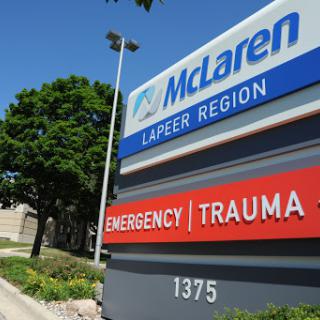
  • McLaren Lapeer Region - Emergency Department (0.7 miles)
  • Nunnally, Nicholas Mclaren Lapeer Region Community Medical Center (0.8 miles)
  • McLaren Community Medical Center (0.8 miles)
  • Occupational Health and Convenient Care Center - McLaren Lapeer Region (2.8 miles)

Pharmacies

  • McLaren Medical Group (0.7 miles)
  • Lapeer Apothecary Shop (0.8 miles)
  • Rogers Pharmacy (1 miles)
  • Advanced Care Pharmacy (1.2 miles)
  • Walmart Pharmacy (1.3 miles)
  • Rite Aid (1.3 miles)
  • Walgreens (1.8 miles)

Restaurants

  • Woodchips BBQ (1 miles)
  • Sam's Coney Island (1 miles)
  • Pueblo Viejo (1.2 miles)
  • Cheers Lapeer (1.2 miles)
  • Brian's Family Restaurant (1.6 miles)
  • Leo's Coney Island (1.6 miles)
  • Wendy's (1.6 miles)

Transportation

  • Amtrack Train Station:Lapeer To Chicago (1.3 miles)
  • U-Haul Neighborhood Dealer (3.4 miles)
  • S&B Taxidermy (9.4 miles)

Theaters

  • Lapeer Cinemas (1.9 miles)

Cafes

  • Starbucks (1.9 miles)

Frequently Asked Questions

Where is Whispering Willow II?

Nearby Communities

  • A Touch of Grace 1596,  INC

    A Touch of Grace 1596, INC

    Lapeer, MI

    4.8 from 16 reviews
    $3,800 / month

    pro Spacious layout (six rooms, four baths) with 24/7 awake staffing and on-site RN, plus a safety lift for fall prevention.

  • A Touch Of Grace 1596

    A Touch Of Grace 1596

    Lapeer, MI

    5 from 14 reviews
     

    pro Fully furnished apartments with comprehensive care and a garden.

  • Mclaren Lapeer Region

    Mclaren Lapeer Region

    Lapeer, MI

    2.9 from 100 reviews
     

    pro Intimate, well-equipped assisted living with furnished apartments, meals, housekeeping, activities, and on-site care (ADLs, diabetes, meds).

  • Rescare Premier Farnsworth

    Rescare Premier Farnsworth

    Lapeer, MI


    pro Comprehensive care with meals, housekeeping, activities, and medical coordination.

  • Park Street Home

    Park Street Home

    Lapeer, MI


    pro Intimate, fully furnished board-and-care with 24/7 supervision and ADL support.

  • Shadowtree Lodge

    Shadowtree Lodge

    Lapeer, MI

    4.6 from 18 reviews
    $4,000 to $4,450 / month

    pro Small, home-like setting with highly attentive, involved staff.

  • Braidwood Manor

    Braidwood Manor

    Davison, MI

    4.1 from 24 reviews
    $777 / month

    pro Very affordable 1-bedroom option with accessible amenities and on-site/off-site activities.

  • Maple Vista

    Maple Vista

    Imlay City, MI

    4.2 from 42 reviews
    $990 to $1,740 / month

    pro Spacious, clean apartments with inclusive meals and housekeeping, plus a vibrant, supportive community.

  • The Pines of Goodrich Assisted Living and Memory Care

    The Pines of Goodrich Assisted Living and Memory Care

    Goodrich, MI

    3.9 from 16 reviews
    $4,000 to $6,600 / month

    pro Clean, welcoming facility with friendly, responsive staff and engaging activities.

Related Resources

  • activities of daily livingComprehensive Insights into Activities of Daily Living (ADLs) and Their Assessment

    Activities of Daily Living (ADLs) are fundamental tasks vital for an individual's independence, particularly in older adults over 85, and include functions like bathing and dressing; assessing ADLs alongside Instrumental Activities of Daily Living (IADLs) helps determine the level of required assistance due to age-related health challenges. Tailored support plans, involving family and community resources, are essential for maintaining dignity and autonomy in assisted living environments.

  • does medicare pay for assisted livingMedicare Coverage for Assisted Living: An In-Depth Exploration

    Medicare does not cover assisted living costs, as it focuses on acute medical needs and short-term care, with exceptions for certain medically necessary services like physical therapy. Individuals must explore other options such as Medicaid, veterans' benefits, or long-term care insurance to manage these expenses effectively.

  • assisted living vs nursing homeChoosing the Right Senior Care: A Detailed Exploration of Assisted Living and Nursing Homes

    Choosing between assisted living and nursing homes involves evaluating emotional and financial factors, with assisted living offering independence and support for daily activities at a lower cost, while nursing homes provide intensive medical care for individuals with significant health needs. The decision is influenced by personal preferences, health status, cognitive function, and varying Medicaid coverage across states.