





210 Dori Lane, Lansing, MI 48912
For more information about senior living options: (866) 208-4318
Overall Review of Red Cedar Lodge
Pros
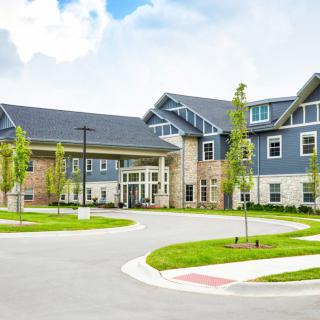
 Red Cedar Lodge is a gorgeous facility, and its staff are the nicest people.
- The management staff have gone above and beyond to help families establish their loved ones and handle setbacks.
- Red Cedar Lodge is a first-class facility that many would recommend to someone in need.
- The staff are very friendly, helpful, and caring.
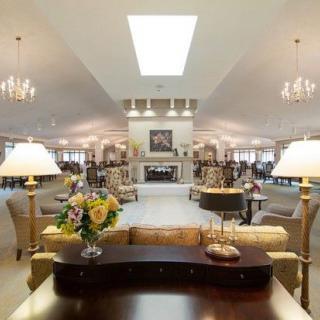
- The rooms are bright and new, with common areas that are nice for residents to gather; staff are gentle, caring, and trained in memory care.
- Moving to Red Cedar Lodge has exceeded expectations and feels like home.
- People seeking an assisted-care facility in the Lansing area would strongly recommend visiting Red Cedar Lodge.
- The facility provides compassionate, empathetic, and high-quality care.
- The place is gorgeous with incredibly friendly staff and great food.
- Red Cedar Lodge is ideal for independent living as well as for those needing assistance.
Cons
 The management is terrible.
- The staff do not communicate and are disrespectful and unpleasant.
- The people who run it are crude and not understanding.
- The establishment sucks.
- The establishment is a poor facility and not worth their business.
- The building is the ugliest the reviewer has ever seen.
Review
Red Cedar Lodge is best suited for families seeking a premium, relationship-first memory-care and assisted-living environment in Lansing. The community blends an upscale, homemlike setting with attentive front-line care, making it a strong choice for seniors who want daily meals, housekeeping, safety features, and a memory-support program delivered with personal warmth. For couples or individuals who appreciate a bright, social atmosphere, well-kept common spaces, and a facility that can accommodate both independent living and more intensive assistance, Red Cedar Lodge offers a compelling home feel with practical, hands-on staff who know residents by name and routine.
That said, the community is not for every family. Those who prioritize flawless, consistently transparent management and a uniformly disciplined administration may want to consider alternatives. Several reviewers flagged communication gaps and organizational missteps, including distrustful impressions of leadership’s responsiveness. For families on a tight budget or those requiring precise, predictably controlled processes and policies, the variance in experiences can be a deal breaker. In short, the care quality can shine, but the administrative experience may not always match the care on the floor.
The core strengths, the pros, largely centers on staff, environment, and daily life for residents. Visitors consistently describe the facility as beautiful and well maintained, with bright, comfortable spaces conducive to socialization and activity. The memory-care team is repeatedly praised for gentleness, attentiveness, and the ability to tune activities and routines to individual preferences. Meals are frequently highlighted as a standout, with several families noting five-star dining experiences and thoughtfully prepared dishes. In addition, the expansive campus feel, safety features like medical-alert necklaces and pull cords, and the inclusion of housekeeping and linen services contribute to a low-stress daily rhythm for residents and reassurance for families.
Significant positives also emerge from firsthand accounts of transitions and ongoing care. The staff who interact directly with residents are described as exceptionally caring and responsive, with particular appreciation for how quickly teams learn a resident’s likes, dislikes, and triggers. Several families report that the move-in process was smoother than expected, with staff offering practical help and making the new home feel welcoming early on. For those whose loved ones require memory-support services, the combination of affectionate caregiving and a well-designed, safe environment can yield tangible improvements in mood, engagement, and overall well-being, an offset that can soften the concern over occasional administrative missteps.
Where the negatives weigh in, they do so in the realm of management communication and consistency. A subset of reviews paints a stark contrast to the praise for frontline care, calling leadership disorganized or unresponsive, and even recounting specific friction around policies or notices that affect families. This dissonance between what families experience at the resident level and what appears in broader administrative judgments is the critical caveat. When management communication falters, trust in the entire care continuum can waver, even if daily care remains compassionate and competent. That tension is the main risk to watch for anyone weighing Red Cedar Lodge against other options.
For families weighing next steps, the practical course is straightforward: visit with clear questions about how communication is managed, how care plans are updated, and who is the point person for ongoing concerns. Request to see real-time examples of care plans, meal programs, and activity calendars, then compare those to feedback from current residents and families. Ask for a transparent breakdown of fees and what is included versus optional add-ons. If seamless administration and a consistently proactive leadership team are non-negotiable, it may be prudent to explore other Lansing-area options as a hedge against variability in the administrative experience. Red Cedar Lodge remains a strong choice for luxury-atmosphere care with outstanding frontline compassion, tempered by the need for confident, stable leadership.
 51 resident community capacity
 1-bedroom apartments
 Assisted Living
 Independent Living
 Air-conditioning
 Beautician on-site
 Cable or satellite TV
 Computer center
 Dining room
 Fitness room
 Fully furnished
 Gaming room
 Garden
 Guest parking
 Home sale assistance
 Housekeeping services
 Kitchenette
 Laundry
 Move-in coordination
 Outdoor space
 Overnight guests
 Party space
 Private bathrooms
 Respite or short term stays offered
 Restaurant-style dining
 Small library
 Telephone
 Wellness center
 Wi-Fi/high-speed internet available
 Capital City (5 miles away)
 Community operated transportation
 12-16 hour nursing
 24-hour call system
 Activities of daily living assistance
 Assistance with bathing
 Assistance with dressing
 Assistance with transfers
 Diabetes diet
 Hospice care
 Medication management
 Mental wellness program
 Physical therapy
 Special dietary restrictions
 Transportation arrangement (medical)
 Arts and crafts
 Book club
 Concierge services
 Cooking club
 Educational speakers / life long learning
 Games
Games Live musical performances
 Planned day trips
 Religious services
 Wii bowling


 Assisted Living Support for Veterans: A Complete and Detailed Overview
 Exploring the Contrasts Between Assisted Living and Skilled Nursing
 8 Key Indicators That Suggest It May Be Time to Transition from Assisted Living to Skilled Nursing Care
