
2940 Quincy Lane, Lansing, MI 48910
For more information about senior living options: (866) 208-4318
Overall Review of Kekelis Adult Foster Care Home II
Pros
 The owner is a registered nurse who can address medical questions in the home.
- The owner goes above and beyond in handling medical questions in the home.
- The reviewer is very pleased with the experience.
Review
Kekelis Adult Foster Care Home II is best suited for seniors who need steady medical oversight delivered in a warm, home-like setting and for families that want immediate, in-home access to a nurse-owner who can answer medical questions without the lag of outside referrals. The model thrives on an intimate, caregiver-driven environment where routines are predictable and attention is personal. For residents with stable to moderate health needs, such as daily medication management, routine monitoring, and occasional medical questions, the arrangement translates into practical peace of mind. It suits those who prefer a non-institutional ambiance over a traditional assisted living campus and who value direct access to medical guidance as a centerpiece of daily care.
There are clear realities that push some families to consider alternatives. Those seeking a larger campus with extensive programming, on-site therapists, and a broad menu of social activities may find the setting too quiet or limited. Residents who require 24/7 licensed nursing coverage across multiple shifts or who need specialized memory-care design and security may not find sufficient infrastructure here. If a robust calendar of group outings, formalized enrichment options, or systematic dementia programming is a priority, this option risks feeling underscored by scale and formal programming.
The standout pros center on medical reliability and responsiveness. The owner’s background as a registered nurse translates into hands-on medical know-how available in real time, not after-hours hold music or outside referrals. That capability, going above and beyond to address health questions in the home, creates a practical, confidence-building safety net for families juggling prescriptions, chronic conditions, and the occasional urgent concern. In a small home setting, this translates to quicker clarification, fewer coordinate-with-externals delays, and a sense that health matters are managed close to the resident’s daily life. These benefits are meaningful enough to offset the absence of a larger medical team for many residents.
However, the small-scale model does introduce inherent limits. With only one primary caregiver-centric operation, there may be less redundancy if the owner is unavailable, and less breadth in daily programming or specialized therapeutic services. Families should verify how care is staffed on weekends, nights, and holidays, and what back-up procedures exist if medical questions require external input beyond the owner’s scope. Additionally, the limited resident count often means fewer formal activities and fewer opportunities for diverse social engagement, unless families actively supplement with outside arrangements. These are not fatal gaps, but they are real trade-offs worth weighing.
To make a well-informed decision, focus on practical comparisons during a visit. Confirm the owner’s nursing credentials, the exact scope of in-home medical capabilities, and how medication management is handled day-to-day. Ask about after-hours availability, emergency protocols, and the process for coordinating with outside physicians or specialists. Inquire about meal service, daily routines, and the types of activities that residents actually participate in, along with the staff-to-resident ratio and how mobility or safety needs are addressed. Finally, request references or visits from current families and review licensing compliance to ensure expectations align with regulatory standards.
The bottom line is straightforward. For families prioritizing direct access to medical guidance within a small, home-like environment, Kekelis Adult Foster Care Home II presents a compelling, practical option in Lansing. The nurse-owned model delivers clear advantages in medical responsiveness and personalized attention that can offset the trade-off of a quieter, less expansive setting. If, however, a loved one demands a large-scale campus, broad social programming, and specialized dementia or memory-care infrastructure, alternatives should be pursued with that in mind. A thoughtful tour, a concrete care plan discussion, and clear expectations about staffing, activities, and emergency procedures will determine whether this is the right fit or if another option better meets the family’s goals.
 6 resident community capacity
 Assisted Living
 Cable or satellite TV
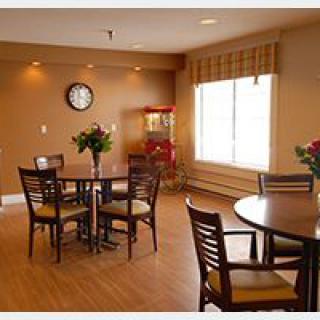
 Dining room
 Fully furnished
 Garden
 Housekeeping services
 Move-in coordination
 Outdoor space
 Telephone
 Wi-Fi/high-speed internet available
 Capital City (5 miles away)
 24-hour supervision
 Activities of daily living assistance
 Assistance with bathing
 Assistance with dressing
 Assistance with transfers
 Diabetes diet
 Meal preparation and service
 Medication management
 Special dietary restrictions
 Transportation arrangement (medical)
 Transportation to doctors appointments


 Comprehensive Residential Support and Assisted Living Solutions for Individuals with Disabilities
 Comprehensive Supportive Living Arrangements for Adults with Disabilities
 Funding and Affording Assisted Living: A Thorough Overview