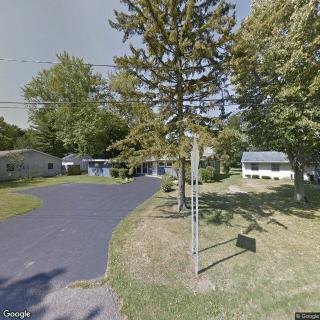
Springdale Assisted Living in Kalamazoo, MI

Information last verified:

2888 Lyons Avenue, Kalamazoo, MI 49048

For more information about senior living options: (844) 490-3973

5 from 5 reviews
5 stars
5
4 stars
0
3 stars
0
2 stars
0
1 stars
0

Overall Review of Springdale Assisted Living

Pros

  • pro She received attentive and loving care at Grace Valley.
  • pro She was very happy there.
  • pro Grace Valley maintains a staff-to-resident ratio of roughly 3:1, and the staff interact with residents all day long.
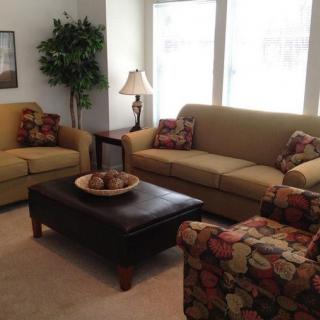
  • pro The facility is designed like a home with an open floor plan, so residents can watch TV together and share meals.
  • pro Entering Grace Valley feels like walking into a family home with a warm, inviting atmosphere.
  • pro The staff at Grace Valley are fabulous and become as attached to families as to their own.
  • pro Grace Valley is a family-owned and operated Christian business that truly loves its clients.
  • pro It is the best facility the reviewer has ever experienced.
  • pro The owner and staff are attentive to residents and their families, and residents feel loved daily.
  • pro The peace of mind comes from knowing loved ones are safe, happy, and cared for.

Cons

  • pro She was left alone often.
  • pro The reviewer would never again put their mom in a large facility.
  • pro The reviewer observed that it was impossible to spend time with residents while caring for 40 on their shift.

Review

Springdale Assisted Living in Kalamazoo is best suited for families seeking an exceptionally intimate, home-like living experience where residents are cherished as individuals and care is delivered with a steady, hands-on touch. This community thrives when the care philosophy centers on relationships, daily warmth, and a small-team culture in which staff know residents by name and stay consistently involved throughout the day. It suits seniors who want to feel useful and engaged, able to contribute to simple tasks, set the table, or tend to small routines, as part of a family-like routine. The environment reads like a comfortable home, not a hospital, with an emphasis on meaningful interaction, open sightlines, and a pace that permits staff to respond with genuine attentiveness instead of racing between dozens of rooms.

Those who may want to consider alternatives are those with higher medical acuity or whose priorities include extensive religious diversity or secular programming beyond a faith-centered framework. Families seeking large-scale campuses with a vast calendar of amenities, specialized memory-care units, or highly structured clinical services may find the scale and offerings at bigger operators more aligned with their needs. The reviews spotlight a Christian, family-owned model where personal relationships drive care; for some families, that faith orientation or smaller footprint is a perfect fit, while others may prefer a facility with broader clinical teams, more targeted therapy options, or non-religious programming.

The strongest pros here, particularly the extraordinarily low resident-to-staff ratio and the resulting daily proximity of caregivers, substantially offset the lack of a larger care ecosystem. With roughly 3:1 staffing versus the 40:1 ratio cited for larger facilities, residents receive constant interaction, supervision, and timely assistance. The home-like design reinforces this advantage: an open floor plan lets residents socialize in the living room while staff prepare meals in the kitchen, then serve wherever residents prefer. That continuous, visible care translates into emotional security for families and a sense of belonging for residents. The ability for residents to be involved in ordinary life, helping with meals, rearranging a plant, or simply contributing to the household rhythm, creates purpose and reduces the isolation that can accompany aging in place.

From the anecdotes, the day-to-day experience centers on happiness, connection, and dependable presence. Families describe their loved ones as deeply cared for, often for years, one resident remained for six years and thrived because she could contribute meaningfully and feel valued. The staff are portrayed as devoted and accessible, forming bonds with the entire family and ensuring the home feels less like a facility and more like a supportive living system. The environment reinforces this sentiment: fragrant cooking in the air, residents nestled in recliners for a nap, and private rooms that offer personal space alongside shared moments with neighbors. These details illuminate how Springdale’s core strengths translate into tangible peace of mind for families.

For families evaluating a visit, prioritize watching caregiver-resident dynamics and asking pointed questions about daily routines and decision-making processes. Observe whether staff greet residents warmly, whether the pace allows for meaningful conversations, and how meals are integrated into social time. Inquire about how residents participate in housekeeping or meal preparation, and whether family involvement is welcome and easy to sustain. Also assess alignment with family values, particularly if faith-based programming matters, and whether the ownership’s approach resonates with the senior’s personality and history. These observations will reveal whether the intimate, relational model truly fits the senior’s preferences and family expectations.

Ultimately, the verdict is practical and clear: for households prioritizing intimate, relationship-driven care, a home-like atmosphere, and a community where staff are consistently present and personally invested, this community represents a compelling choice. It delivers a level of attentiveness and belonging that larger facilities often struggle to match, delivering steady reassurance to families seeking not just safety but a sense of being part of a supportive family. For those needing more advanced medical services, a broader activity slate, or a secular framework, it remains sensible to explore alternatives. A guided visit will confirm fit, but the signs are strong: this community excels where personal connection and daily purpose define quality of life.

Features

Housing

  • 6 resident community capacity 6 resident community capacity

Types of Care

  • Assisted Living Assisted LivingAssisted living facilities provide crucial support and care for seniors who may need help with daily tasks such as medication management, bathing, and meal preparation. These communities offer a safe and comfortable environment where seniors can maintain their independence while receiving the assistance they need to thrive in their golden years.
  • Board and Care Home Board and Care HomeBoard and care homes provide a smaller, more intimate setting for seniors who require assistance with daily tasks but do not need the level of care offered by a nursing home. They offer personalized care, meals, and social activities in a homelike environment, ensuring that seniors receive individualized attention and support in their golden years.
  • Memory Care Memory CareMemory care is crucial for seniors as it provides specialized support and services for individuals with dementia or Alzheimer's disease. These programs offer a safe and secure environment where residents receive personalized care, cognitive stimulation, and help with daily activities. Memory care helps seniors maintain their independence, quality of life, and dignity while also providing peace of mind for their families.

Amenities

  • Cable or satellite TV Cable or satellite TVCable or satellite TV is important for seniors because it provides entertainment, news, and companionship, helping to combat loneliness and boredom. It also offers a wide range of programming options tailored to different interests and preferences.
  • Dining room Dining roomDining rooms are important for seniors as they provide a space for socialization, connection, and nutritious meals. They offer opportunities for residents to bond over shared meals, foster a sense of community, and promote healthy eating habits. Dining rooms also ensure that seniors have access to well-balanced meals tailored to their dietary needs and preferences.
  • Fully furnished Fully furnishedFully furnished senior living communities are important for seniors because they provide convenience, comfort, and a hassle-free moving experience. Seniors can easily settle into their new living space without the stress of having to buy and move furniture. This allows them to focus on enjoying their new home and community.
  • Garden GardenGardens are important for seniors as they provide a peaceful and therapeutic environment for relaxation, physical activity, and socialization. Being in nature has been shown to reduce stress, improve mood, and promote overall well-being. Gardens also offer opportunities for seniors to engage in gardening activities, which can improve mobility, flexibility, and cognitive function. Additionally, gardens create a sense of community and connection with others who share a passion for plants and outdoor spaces.
  • Housekeeping services Housekeeping servicesHousekeeping services are important for seniors because they help maintain a clean and safe living environment, promote independence, and reduce the risk of accidents or illnesses. Additionally, having assistance with household chores can alleviate physical strain and allow seniors to focus on other aspects of their well-being.
  • Move-in coordination Move-in coordinationMove-in coordination is important for seniors because it helps ease the transition into their new living environment. It ensures that all logistics, such as packing, organizing movers, and setting up utilities are taken care of, allowing seniors to focus on settling in and adjusting to their new home. Having a smooth move-in process can alleviate stress and anxiety, making the transition smoother and more enjoyable for seniors.
  • Outdoor space Outdoor spaceOutdoor spaces are important for seniors as they provide opportunities for physical activity, social interaction, exposure to natural light and fresh air, and a sense of connection to nature. Having access to outdoor spaces can improve overall well-being and quality of life for older adults living in senior communities.
  • Telephone TelephoneTelephones are important for seniors as they provide a lifeline for communication with loved ones, emergency services, and healthcare providers. They offer a sense of security and independence, enabling seniors to stay connected and access assistance when needed.
  • Wi-Fi/high-speed internet available Wi-Fi/high-speed internet availableWi-Fi/high-speed internet is important for seniors to stay connected with loved ones, access online resources, and participate in virtual activities to combat feelings of loneliness and isolation. It also allows them to easily manage healthcare needs, access entertainment, and engage in lifelong learning opportunities.

Transportation

  • Kalamazoo County (6 miles away) Kalamazoo County (6 miles away)

Care Services

  • 24-hour supervision 24-hour supervision24-hour supervision is important for seniors to ensure their safety, well-being, and access to immediate assistance in case of emergencies or health issues. This constant support provides peace of mind for both seniors and their loved ones, allowing them to age in place with dignity and security.
  • Activities of daily living assistance Activities of daily living assistanceActivities of daily living assistance are important for seniors because they provide essential support with tasks such as eating, bathing, dressing, and mobility. This assistance helps seniors maintain their independence, dignity, and overall quality of life as they age.
  • Assistance with bathing Assistance with bathingAssistance with bathing is crucial for seniors as it helps maintain personal hygiene, prevents infections, and ensures their overall well-being and comfort. It also provides a sense of dignity and independence for seniors who may struggle with this task on their own.
  • Assistance with dressing Assistance with dressingAssistance with dressing is important for seniors because it helps maintain their independence, promotes personal hygiene, prevents accidents and injuries, and improves overall quality of life. This service ensures that seniors can continue to dress comfortably and confidently, despite any physical limitations they may have.
  • Assistance with transfers Assistance with transfersAssistance with transfers is crucial for seniors as it helps prevent falls and injuries, maintains their independence, and ensures they can safely navigate their living environment. It also provides peace of mind for both seniors and their loved ones.
  • Coordination with health care providers Coordination with health care providersCoordination with health care providers is crucial for seniors to ensure proper medical care, medication management, and overall well-being. This collaboration helps prevent overlapping treatments, track progress more effectively, and provide comprehensive support tailored to individual needs.
  • Dementia waiver Dementia waiverDementia waivers are essential for seniors as they provide critical protections and accommodations for those experiencing cognitive decline. These waivers ensure individuals with dementia receive appropriate care, support, and resources to maintain their quality of life and dignity as they navigate the challenges of this progressive condition.
  • Diabetes diet Diabetes dietA diabetes diet is crucial for seniors as it helps manage blood sugar levels, reduce risks of complications, and improve overall health and well-being. By following a balanced and nutritious diet tailored to their specific needs, seniors can better control their diabetes and enhance their quality of life.
  • Hospice waiver Hospice waiverHospice waivers are important for seniors because they allow individuals to receive specialized end-of-life care and support at home or in a hospice facility. This waiver ensures that seniors can access the necessary resources and services to maintain comfort and dignity during their final days.
  • Meal preparation and service Meal preparation and serviceMeal preparation and service are crucial for seniors as they may have limited mobility or energy to cook nutritious meals. Having access to healthy and convenient food options can ensure they are getting the proper nutrition needed to maintain their overall health and well-being.
  • Medication management Medication managementMedication management is crucial for seniors to ensure they are taking the right medications at the correct dosages and times. This helps prevent adverse drug interactions, reduces the risk of medication errors, and promotes overall health and well-being. Proactive management also allows for adjustments as needed based on changing health conditions or new prescriptions.
  • Mental wellness program Mental wellness programMental wellness programs are essential for seniors as they promote cognitive stimulation, emotional support, and social engagement. These programs help prevent isolation, depression, and cognitive decline, ultimately enhancing the overall quality of life for older adults.
  • Mild cognitive impairment Mild cognitive impairment"Mild cognitive impairment" is important for seniors because it is an early stage of cognitive decline that can potentially progress to more severe conditions such as dementia. Recognizing and addressing mild cognitive impairment can help seniors receive appropriate care and support to maintain their quality of life and independence for as long as possible.
  • Special dietary restrictions Special dietary restrictionsSpecial dietary restrictions are important for seniors because age-related changes in metabolism and health conditions can make it difficult for their bodies to process certain foods. By following a diet tailored to their specific needs, seniors can maintain their overall health and well-being, manage chronic conditions, and reduce the risk of complications such as malnutrition or food interactions with medications.
  • Specialized memory care programming Specialized memory care programmingSpecialized memory care programming is crucial for seniors with cognitive impairments such as dementia or Alzheimer's disease. These programs provide a safe and supportive environment tailored to the unique needs of individuals with memory loss, helping them maintain their independence, dignity, and quality of life.
  • Transportation arrangement (medical) Transportation arrangement (medical)Transportation arrangements for medical purposes are essential for seniors as they may have difficulty driving themselves to appointments or accessing public transportation. Having reliable and safe transportation options ensures that seniors can receive timely medical care and maintain their health and well-being.
  • Transportation to doctors appointments Transportation to doctors appointmentsTransportation to doctors' appointments is crucial for seniors as it ensures they have access to necessary medical care and support for their health needs. Without reliable transportation, seniors may struggle to attend important appointments, leading to potential delays in treatment and health complications. Providing transportation services helps seniors maintain their overall well-being and quality of life.
Dining

  • Diabetes diet Diabetes dietA diabetes diet is crucial for seniors as it helps manage blood sugar levels, reduce risks of complications, and improve overall health and well-being. By following a balanced and nutritious diet tailored to their specific needs, seniors can better control their diabetes and enhance their quality of life.
  • Special dietary restrictions Special dietary restrictionsSpecial dietary restrictions are important for seniors because age-related changes in metabolism and health conditions can make it difficult for their bodies to process certain foods. By following a diet tailored to their specific needs, seniors can maintain their overall health and well-being, manage chronic conditions, and reduce the risk of complications such as malnutrition or food interactions with medications.

Activities

  • Community-sponsored activities Community-sponsored activitiesCommunity-sponsored activities are important for seniors as they provide opportunities for social interaction, mental stimulation, and physical activity. These activities can help improve overall well-being, combat loneliness and isolation, and promote a sense of belonging and purpose among older adults.
  • Scheduled daily activities Scheduled daily activitiesScheduled daily activities are important for seniors because they provide structure, socialization, mental stimulation, and physical activity. Engaging in regular activities can improve overall well-being and quality of life for seniors living in a community setting.

Description

Springdale Assisted Living in Kalamazoo, MI is a warm and welcoming community providing high-quality care for seniors. Offering both Board and Care Home and Memory Care options, we strive to meet the unique needs of each resident.

Our residents enjoy a range of amenities designed to enhance their comfort and well-being. Our dining room provides delicious meals that cater to special dietary restrictions, ensuring that each individual receives proper nutrition. They can relax in our fully furnished accommodations or spend time outdoors in our beautiful garden and outdoor spaces. We also provide housekeeping services to ensure a clean and tidy living environment.

At Springdale Assisted Living, we understand the importance of maintaining mental wellness. Our staff is trained to provide assistance with activities of daily living such as bathing, dressing, and transfers. We coordinate with health care providers for comprehensive care, including dementia waiver and hospice waiver if needed. Our medication management services ensure that residents receive proper dosages at the right times.

To promote overall well-being, we offer a variety of activities tailored to individual interests and abilities. Residents can engage in our specialized memory care programming designed to support those with cognitive impairments. Transportation arrangements are available for medical appointments, ensuring residents can easily access necessary healthcare services.

Located in Kalamazoo, our community benefits from its proximity to various amenities. There are numerous cafes, parks, pharmacies, physicians' offices, restaurants nearby for convenience and entertainment options. Additionally, places of worship are within reach for spiritual fulfillment.

At Springdale Assisted Living in Kalamazoo, MI, we prioritize the comfort and health of our residents while fostering an engaging and supportive community environment.

Nearby Places of Interest

Pharmacies

  • Meijer Pharmacy (0.7 miles)
  • Gull Point Pharmacy (0.9 miles)
  • Walgreens (1 miles)
  • Suburban Home Town Ltc (3.2 miles)
  • Suburban Drug (3.3 miles)
  • Galesburg Pharmacy (4.1 miles)
  • Park Street Market (4.2 miles)

Restaurants

  • Arby's (0.9 miles)
  • McDonald's (0.9 miles)
  • Applebee's (0.9 miles)
  • North 11 (1 miles)
  • Bangkok Flavor (1 miles)
  • Taco Bell (1 miles)
  • Ten Ten (1 miles)

Cafes

  • Starbucks (0.9 miles)
  • Brite Eyes Brewing Co. (4.5 miles)

Physicians

  • RX Optical (1 miles)
  • Borgess Spine (1.8 miles)
  • Bronson Family Medicine - Shaffer St (2.6 miles)
  • Borgess Internal Medicine (2.6 miles)
  • Ronald L. Vanderlugt MD (2.6 miles)
  • Kalamazoo Cardiology (2.7 miles)
  • The Surgical Group (2.7 miles)

Places of Worship

  • Haven Reformed Church (1.7 miles)
  • Temple Baptist Church (2.1 miles)
  • Milwood United Methodist Church (5 miles)
  • Miraculous Lady Of Roses (5.7 miles)

Hospitals

  • North Pro (2.6 miles)
  • Borgess Medical Center (2.7 miles)
  • Ascension Borgess Hospital - Brain and Spine Institute (2.8 miles)
  • Borgess 3 North (2.8 miles)
  • Borgess 1 North (2.8 miles)
  • Textile Systems (3.6 miles)
  • Bronson Hand & Elbow Surgery Specialists (4.2 miles)

Transportation

  • Amtrak (4.1 miles)
  • Kalamazoo - Battle Creek International Airport (AZO) (5.7 miles)

Parks

  • Bronson Park (4.3 miles)

Frequently Asked Questions

Where is Springdale Assisted Living?
Does Springdale Assisted Living provide care for residents with dementia or Alzheimer's disease?

Nearby Communities

  • Stay Home Companions

    Stay Home Companions

    Kalamazoo, MI

    4.6 from 7 reviews
    $3,700 to $4,700 / month

    pro Compassionate, dependable caregiver (Robin) who goes above and beyond and adapts to family needs.

  • Nyumbani Adult Foster Care

    Nyumbani Adult Foster Care

    Kalamazoo, MI


    pro Small, intimate community (6 residents) with 24-hour supervision, daily living assistance, diabetes management, meals, and transportation to medical appointments.

  • Whipple Adult Foster Care Home

    Whipple Adult Foster Care Home

    Kalamazoo, MI


    pro Small, home-like 6-bed setting with 24-hour care and diabetes-friendly dining.

  • Pine Valley Assisted Living

    Pine Valley Assisted Living

    Kalamazoo, MI

    4.5 from 33 reviews
     

    pro Small, intimate 6-resident facility offering personalized care and comprehensive daily support.

  • Nazareth Center

    Nazareth Center

    Kalamazoo, MI

    4.9 from 18 reviews
    $4,750 / month

    pro Friendly staff, welcoming community, and a strong activity program.

  • River Run

    River Run

    Kalamazoo, MI


    pro Intimate 12-bed setting with personalized care, meals, and engaging activities.

  • Sisters of St Joseph

    Sisters of St Joseph

    Kalamazoo, MI

     
    $4,251 / month

    pro Peaceful, nurturing assisted living with strong access to nearby healthcare, dining, and worship options.

  • Heritage Community of Kalamazoo

    Heritage Community of Kalamazoo

    Kalamazoo, MI

    4 from 54 reviews
    $3,000 to $4,290 / month

    pro Clean, well-maintained facilities with caring staff and engaging activities.

  • Friendship Village Kalamazoo

    Friendship Village Kalamazoo

    Kalamazoo, MI

    4.5 from 61 reviews
    $4,734 / month

Related Resources

  • dementia careMemory Care Pathways: A Holistic Guide to Dementia Support

    "Memory Care Pathways: A Holistic Guide to Dementia Support" outlines the complexities of dementia and its various types, emphasizing early detection, patient-centered care strategies, caregiver support, and long-term care options while addressing legal and financial considerations to enhance the quality of life for individuals with dementia and their families.

  • sundown syndromeComprehending Evening Confusion in Dementia: Causes, Manifestations, and Support

    Sundown syndrome, or sundowning, is a phenomenon in dementia patients characterized by increased confusion and agitation during late afternoon and evening, influenced by factors like disrupted circadian rhythms and fatigue. Effective caregiver strategies include establishing routines and managing environmental light while addressing caregiver stress through support services.

  • delirium vs dementiaDelirium and Dementia: Unraveling the Key Differences

    Delirium is a rapidly onset, reversible cognitive disturbance often caused by acute medical issues, while dementia is a gradual and irreversible decline due to chronic neurodegenerative diseases. Accurate differentiation between the two is essential for appropriate treatment and management in older adults.