
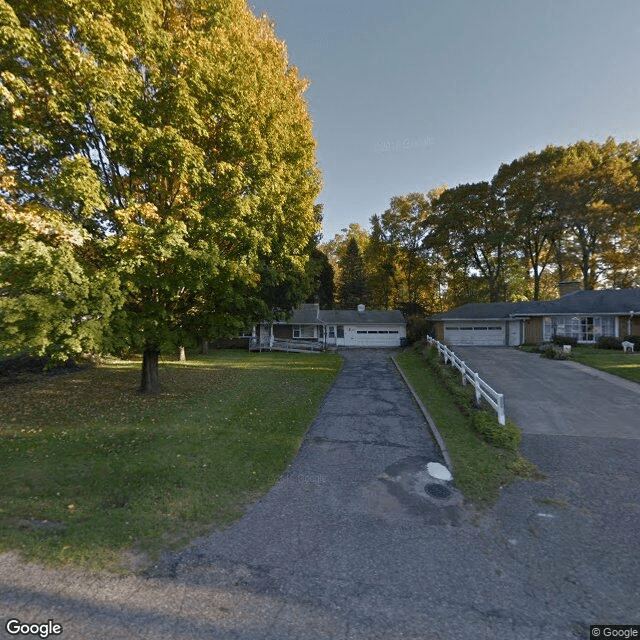
118 E Westwood Dr, Kalamazoo, MI 49006
To contact a resident: (269) 388-8863
For more information about senior living options: (866) 208-4318
Comforts of Home AFC Costs & Pricing
Comforts of Home AFC offers competitive pricing for its rooms compared to the broader market in Kalamazoo County and the state of Michigan. For a semi-private room, the monthly cost is $3,500, which is slightly higher than the county average of $3,435 but remains above the state average of $3,191. In contrast, residents opting for a private room will find the monthly fee set at $4,000; this amount exceeds both local and statewide averages - $3,859 in Kalamazoo County and $3,675 across Michigan. These prices reflect not only the quality of care and amenities provided by Comforts of Home AFC but also its commitment to delivering a supportive living environment tailored to individual needs.
| Floor plans | Comforts of Home AFC | Kalamazoo County | Michigan |
|---|---|---|---|
| Semi-Private | $3,500 | $3,435 | $3,189 |
| Private | $4,000 | $3,859 | $3,674 |
Senior living communities with a similar price nearby
-
About the same
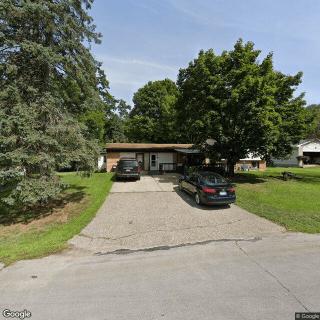
Kozy Komfort
$3,500 / month19.9 miles away -
About the same

StoryPoint Portage
$3,600 to $5,161 / month4.4 miles away -
from -$500 / mo

Allegan Enrichment Center 1
$3,000 / month20.6 miles away -
from +$500 / mo
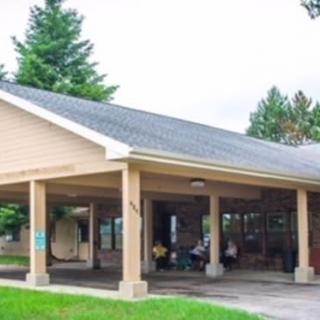
Stanford Lodge
$4,000 / month10.8 miles away -
from +$300 / mo
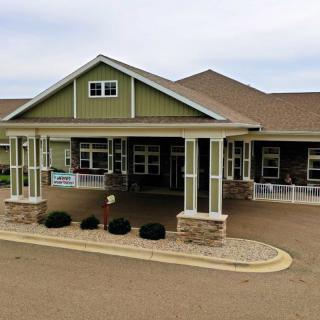
Vicinia Gardens of Otsego
$3,800 to $4,200 / month13.1 miles away
Overall Review of Comforts of Home AFC
Pros
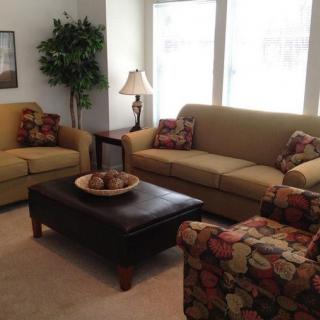
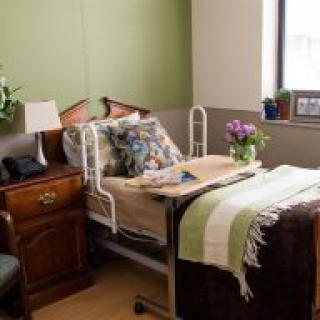
 Comforts of Home makes it feel like the resident never left her house, a perfect transition.
- Winnie and the ladies at Comforts of Home care about their residents, not just a job.
- The house is small, quaint, and for ladies only, which suits those who dislike larger crowds.
- The staff are very nice and attentive to residents’ needs.
- The home-like atmosphere and socialization with other residents are beneficial.
- The menu is nice and offers good variety.
- Families would recommend this community for good care and value.
- The care provided is wonderful and loving.
Review
Comforts of Home AFC in Kalamazoo is best suited for families seeking a truly home-like transition for an elderly woman who values intimate, personalized attention over the breadth of a larger facility. With a strict five-resident cap and a ladies-only arrangement, this community is ideal for those who want predictability, quiet routines, and caregivers who develop deep knowledge of individual preferences. It works exceptionally well for residents who prefer small-group socialization, a calm atmosphere, and the sense that “home” remains the anchor of daily life rather than a clinical or bustling environment.
The strongest selling points are the people and the setting. Warmth and attentiveness define the staff, led by a team that makes residents feel seen and valued rather than processed. The home-like atmosphere is reinforced by the small size, which translates into meaningful relationships, reliable routines, and immediate attention when needs arise. Dining matters are addressed with a menu that residents genuinely enjoy, offering variety without overwhelming choices. Socialization with nearby residents occurs in a low-key, comfortable way, making everyday moments, meals, conversations, and gentle activities, feel natural rather than therapeutic obligations.
These advantages offset the main constraints by aligning with a clear care philosophy: highly individualized care in a protected, intimate space. The five-resident layout naturally enhances safety, oversight, and the ability to tailor daily schedules to individual rhythms. The female-only setup, while limiting in some contexts, lends a sense of cohesion and comfort for residents who prefer a non-gender-mixed home environment. The combination of personalized attention, predictable routines, and home-like socialization reduces the stress commonly associated with transitions to care and supports steady engagement without the feel of a crowded facility.
Yet certain residents or families may want alternatives. Those seeking cohabitation with a spouse or partner may find the five-resident, ladies-only model too restrictive. Residents with significant medical complexity requiring frequent skilled interventions, therapy, or comprehensive on-site medical programming may find the resource pool insufficient relative to larger communities. Families desiring a broader activity calendar, more extensive transportation options, or a wider array of on-site services might prefer a facility with greater-scale operation and more diverse programming.
Compared to larger assisted living communities, Comforts of Home AFC offers a trade-off: intimate attention and a warm, home-centered experience at the expense of size, diversity of programming, and breadth of services. For families who prioritize high-touch care, visible caregiver-resident relationships, and strong alignment with a homelike environment, the pros clearly outweigh the cons. For those who require a more robust menu of amenities, more extensive medical support, or a mixed-gender living setting, it makes sense to explore other options first.
In practice, this community serves as a practical, effective choice for a carefully considered niche: an elderly woman who will thrive in a small, gender-specific residence where staff know her preferences and daily life feels comfortably domestic. Families should visit with questions about staffing ratios, daily schedules, meal flexibility, and how care plans adapt to changing needs. If the goal is a smooth, respectful transition that preserves independence within a familiar, intimate setting, Comforts of Home AFC delivers with evident care, reliability, and a clearly compassionate approach.
 Board and Care Home
 Activities off-site
 Air-conditioning
 Bath tubs
 Cable or satellite TV
 Devotional services off-site
 Indoor common areas
 Outdoor common areas
 Private
 Private bathrooms
 Respite or short term stays offered
 Wi-Fi/high-speed internet available
 Kalamazoo County (5 miles away)
 Ambulatory care
 High acuity care
 Medication management
 Meals provided
 BBQs or picnics
 Birthday parties
 Day trips and outings
 Pet-focused programs
 Visiting chaplain or priest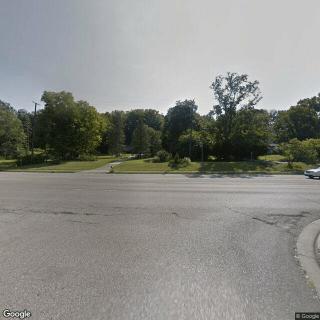
 A Detailed Exploration of Living Wills and Advance Directives
 Comprehensive Guide to Medicare Coverage for Hospice Care
 Caring for Those Who Care: Recognizing, Understanding, and Overcoming Caregiver Burnout