
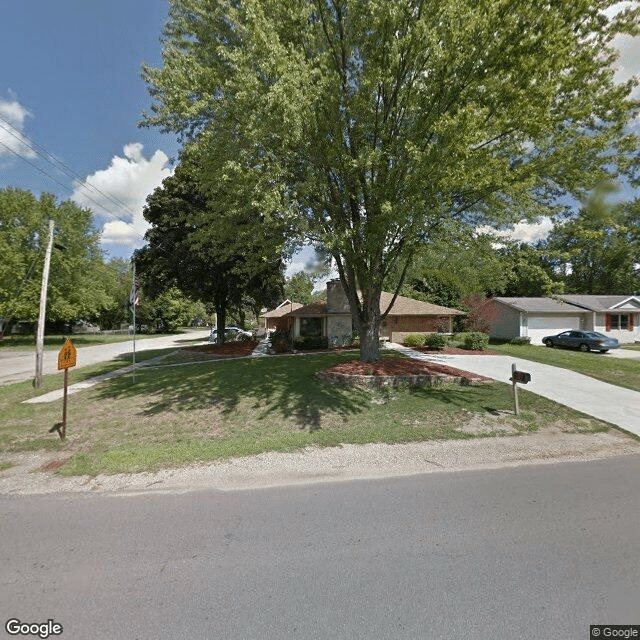
3113 Parchmount Avenue, Kalamazoo, MI 49004
For more information about senior living options: (866) 208-4318
Overall Review of Butterfly Oasis
Pros
 Butterfly Oasis is a family setting where the staff deliver high-quality care with love, becoming a second family to residents.
- The team communicates regularly with families, sharing health updates and positive moments to provide reassurance.
- Residents and families describe Butterfly Oasis as a compassionate, attentive place where loved ones feel cared for and supported.
- The environment offers outdoor spaces, crafts, and engaging activities that create a warm, welcoming home atmosphere.
- Owners Lisa and Don, along with nurses and aides, are consistently caring, helpful, and dedicated to residents’ well-being.
- Butterfly Oasis is praised as a remarkable group of people who provide comfort and excellent care during difficult times.
- The facility is clean, well-kept, with good food and attentive staff, making families confident in recommending it.
Cons
 The search for a place for their mom was heart-wrenching and stressful.
- None of the surrounding senior homes fit their requirements.
Review
Butterfly Oasis in Kalamazoo is best suited for families seeking a small, home-like assisted living option where the emphasis is on intimate, relationship-driven care and ongoing family involvement. The resident profile that fits well includes seniors with dementia or cognitive decline who still need daily support, along with medical conditions such as brittle diabetes, chronic pain, and fall risk, yet do not require constant hospital-style medical oversight. The setting supports a gradual transition from independence to assisted living, with an expectation that routines, meals, and social connections feel familiar. For families prioritizing warmth, safety, and clear, frequent communication, this community reliably meets those needs.
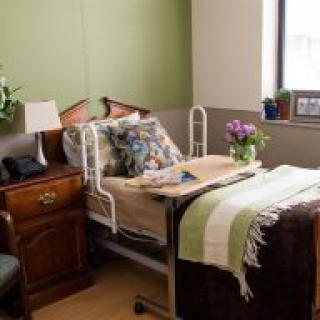
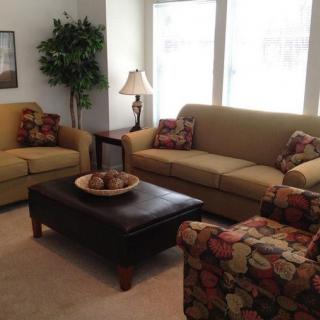
Pros are consistently described as a true family culture. The staff are viewed as caring professionals who become part of the resident’s extended circle, delivering high-quality care with personal warmth. Families report proactive communication, texts and photos about activities, health changes, and daily moments, so they stay connected even when not on site. Residents benefit from social engagement through crafts, outdoor time on the deck or back patio, shared meals, and casual conversations that reinforce a sense of belonging. The owners/leadership are perceived as steady, and staff turnover is low enough to foster meaningful relationships. Clean facilities and well-maintained common areas reinforce the feeling of a safe, nurturing home.
Yet, the intimate size of Butterfly Oasis brings certain trade-offs. The small home model may have fewer on-site clinical resources than larger communities and might not provide 24/7 hospital-style nursing coverage or expansive rehab programs. For residents with highly complex medical needs requiring round-the-clock monitoring, or for families seeking highly structured, institution-like memory care, alternatives with larger clinical footprints could be more appropriate. The environment shines in relational care, but families weighing options should consider whether the level of medical oversight and the breadth of on-site services aligns with the resident’s daily needs.
Those trade-offs are offset by compelling strengths. The constant, personal attention translates into real peace of mind for families, knowing caregivers know the resident’s history and preferences. The open communication model cuts through uncertainty and strengthens trust with Hospice teams and outside medical providers. The home-like routines, participation in small-group activities, shared meals, and opportunities to sit outdoors, help preserve dignity, autonomy, and a sense of control for residents who still value daily choice. The sense that staff become friends over time reduces stress during health changes and often supports smoother transitions when care needs evolve.
Specific anecdotes from families illustrate the depth of care. One daughter describes her mother living there for years and now calling Butterfly Oasis home, the emotional comfort of a second family, and the clarity of updates when health issues arise. Another family recalls staff waiting with compassion through end-of-life care, sharing photos and stories that honor the resident’s life. Residents themselves engage in activities, crafts, UNO games, and outdoor time, that foster connection and purpose. The community also demonstrates practical care coordination, including coordinating with hospice and ensuring residents are safeguarded during emergencies, like tornado events, which reinforces confidence in the staff’s commitment.
For families deciding where to place a loved one, Butterfly Oasis offers a clear path: a warm, small-community setting where personal attention and family communication drive daily care. If the priority is broad medical services, intensive on-site therapies, or highly specialized memory-care programming, alternatives with bigger clinical footprints may be a better fit. Prospective purchasers should schedule a real-time visit, inquire about nurse-to-resident ratios, confirm memory-care capabilities, and discuss how care plans are updated and shared. Important questions include how emergencies are managed, how hospice coordination works, and how residents’ preferences are honored in daily routines. In the right match, the result is a trusted home where care feels less like a visit and more like family.
 6 resident community capacity
 Assisted Living
 Board and Care Home
 Memory Care
 Cable or satellite TV
 Dining room
 Fully furnished
 Garden
 Housekeeping services
 Move-in coordination
 Outdoor space
 Telephone
 Wi-Fi/high-speed internet available
 Kalamazoo County (6 miles away)
 24-hour supervision
 Activities of daily living assistance
 Assistance with bathing
 Assistance with dressing
 Assistance with transfers
 Diabetes diet
 Meal preparation and service
 Medication management
 Special dietary restrictions
 Transportation arrangement (medical)
 Transportation to doctors appointments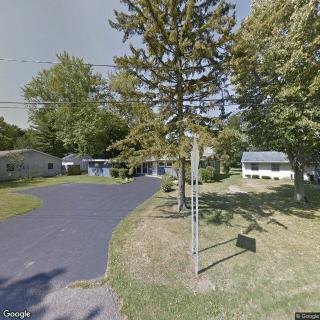


 How and When Medicaid May Cover Assisted Living Costs
 A Detailed Exploration of Assisted Living Medicaid Waivers Across the United States
 Exploring the Contrasts Between Assisted Living and Skilled Nursing