Pleasant Manor II in Jackson, MI

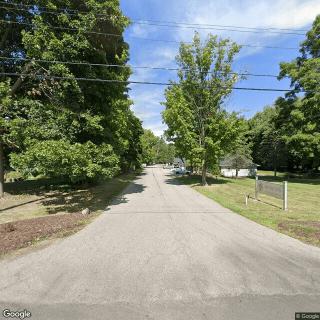
7330 Lansing Avenue, Jackson, MI 49201

For more information about senior living options: (844) 490-3973

4.2 from 5 reviews
5 stars
4
4 stars
0
3 stars
0
2 stars
0
1 stars
1

Assisted Living Board and Care Home Memory Care Respite Care

Pleasant Manor II Costs & Pricing

Pleasant Manor II offers competitive pricing for its accommodations when compared to both Jackson County and the broader Michigan state averages. For private rooms, Pleasant Manor II's monthly rate of $3,000 is notably lower than the county average of $3,755 and even below the state average of $3,675. This positions it as an appealing option for those seeking individual living spaces at a more accessible price point. In terms of semi-private rooms, Pleasant Manor II maintains its competitive edge with a rate of $3,000, which is higher than the county's average of $2,777 but significantly less than Michigan's average of $3,191. Overall, Pleasant Manor II presents itself as a cost-effective choice for residents in search of quality living arrangements in a caring environment.

Floor plansPleasant Manor IIJackson CountyMichigan
Private$3,000$3,755$3,674
Semi-Private$3,000$2,777$3,189

Overall Review of Pleasant Manor II

Pros

  • pro The staff do a good job.
  • pro The people are great.
  • pro The food is great.
  • pro The care is superb.
  • pro The home environment feels like a loving family.
  • pro Pleasant Manor is highly recommended.
  • pro The meals are really good.

Cons

  • pro The staff were terrible and the facility was understaffed.
  • pro Workers were paid next to nothing.
  • pro Residents were starved, mistreated, and abused.
  • pro Families should not bring their loved ones there.

Review

Pleasant Manor II in Jackson, MI is best suited for families seeking a warm, home-like AFC setting where daily personal care is consistently visible, meals are engaging, and staff interact closely with residents. This community excels for seniors who thrive on regular routines, frequent touchpoints with caregivers, and clear, ongoing communication with family members. It is a strong fit for someone who does not require intensive medical oversight and favors a smaller, intimate environment where "family" feels real and residents are treated with daily consistency - bed changes, baths, and clothes changes included. Those needing robust medical monitoring, complex dementia programming, or high-security measures may want to consider alternatives that offer more medical depth and formalized care networks.

The most compelling positives are evident in the daily experience. Care is described by families as superb, with staff who are genuinely caring and accessible, and meals received as high quality. The routine of daily bed changes, bathing, and wardrobe changes signals reliable attention to core needs, while the overall atmosphere is repeatedly characterized as friendly and attentive. Families feel that Pleasant Manor II is more than a facility; it functions like a caring, small community where residents are known well, and staff take pride in their duties. This combination makes it an attractive option for relatives who want visible dedication and a consistent caregiving tempo.

Communication and family involvement stand out as concrete strengths. Several reviews emphasize that the community keeps families in the loop about changes in a loved one's condition, and that staff are approachable and helpful. The sense of belonging extends beyond caregiving to social connection and engagement; one account highlights how a family member contributed music, underscoring that Pleasant Manor II values resident happiness as part of daily life. The overall narrative is that the home operates like a supportive extended family, where residents are treated with warmth and where families feel welcomed and respected.

Yet one review injects a cautionary note about staffing realities. The claim centers on understaffing, underpayment of workers, and mistreatment as a stark counterpoint to the prevailing positivity. That perspective is grave and should not be ignored, but it stands apart from the broader chorus of praise and the long-standing resident experiences cited by other families. This is a reminder to assess staffing stability in real time during visits, to ask about nurse availability and turnover, and to verify how care plans are adjusted when demand spikes. While alarming, the outlier does not erase the consistent, positive indicators present in the majority of reviews.

Those strong points do offset the concern to an extent, but not perfectly. The warmth, attentiveness, and family-like culture provide meaningful protection against the kinds of gaps that can arise in smaller settings. Families consistently report that residents are well cared for, well fed, and well integrated into a social fabric that supports emotional well-being. However, any signal about staffing variability should prompt prospective residents to verify current ratios, management availability, and the facility's contingency plans. In practice, Pleasant Manor II delivers a compellingly humane environment, but the prudent purchaser will conduct a direct, current staffing inquiry and seek current references before making final decisions.

For families weighing options, Pleasant Manor II is a compelling choice for those prioritizing a personable, homey setting with dependable daily care and active family engagement. It is less suited for those who require strong medical oversight, advanced memory-care programming, or guaranteed staffing consistency at all hours. The prudent path is to schedule a tour, observe shift changes, and speak with several current families about their experiences. Ask pointed questions about staff-to-resident ratios, turnover, and how the team handles spikes in need. If warmth, daily personal care, and a true sense of community are non-negotiables, Pleasant Manor II stands out as a practical, capable option worth pursuing.

Features

Housing

  • 6 resident community capacity 6 resident community capacity

Types of Care

  • Assisted Living Assisted LivingAssisted living facilities provide crucial support and care for seniors who may need help with daily tasks such as medication management, bathing, and meal preparation. These communities offer a safe and comfortable environment where seniors can maintain their independence while receiving the assistance they need to thrive in their golden years.
  • Board and Care Home Board and Care HomeBoard and care homes provide a smaller, more intimate setting for seniors who require assistance with daily tasks but do not need the level of care offered by a nursing home. They offer personalized care, meals, and social activities in a homelike environment, ensuring that seniors receive individualized attention and support in their golden years.
  • Memory Care Memory CareMemory care is crucial for seniors as it provides specialized support and services for individuals with dementia or Alzheimer's disease. These programs offer a safe and secure environment where residents receive personalized care, cognitive stimulation, and help with daily activities. Memory care helps seniors maintain their independence, quality of life, and dignity while also providing peace of mind for their families.
  • Respite Care Respite CareRespite care provides temporary relief for caregivers, allowing them to recharge and attend to their own needs. It also gives seniors the opportunity to socialize, receive professional care, and experience a change of scenery, promoting overall well-being and reducing feelings of isolation.

Pets

  • Cats allowed Cats allowed"Pet friendly" senior living communities are important for seniors because pets provide companionship, reduce feelings of loneliness and depression, promote physical activity and mental stimulation, and offer a sense of purpose and responsibility. Pets can improve overall well-being and quality of life for seniors in many ways.
  • Dogs allowed Dogs allowed"Pet friendly" senior living communities are important for seniors because pets provide companionship, reduce feelings of loneliness and depression, promote physical activity and mental stimulation, and offer a sense of purpose and responsibility. Pets can improve overall well-being and quality of life for seniors in many ways.

Amenities

  • Cable or satellite TV Cable or satellite TVCable or satellite TV is important for seniors because it provides entertainment, news, and companionship, helping to combat loneliness and boredom. It also offers a wide range of programming options tailored to different interests and preferences.
  • Dining room Dining roomDining rooms are important for seniors as they provide a space for socialization, connection, and nutritious meals. They offer opportunities for residents to bond over shared meals, foster a sense of community, and promote healthy eating habits. Dining rooms also ensure that seniors have access to well-balanced meals tailored to their dietary needs and preferences.
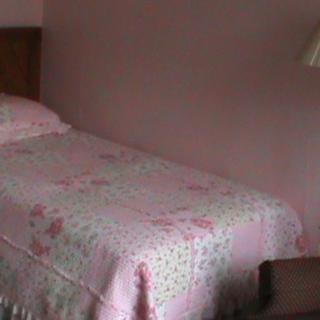
  • Fully furnished Fully furnishedFully furnished senior living communities are important for seniors because they provide convenience, comfort, and a hassle-free moving experience. Seniors can easily settle into their new living space without the stress of having to buy and move furniture. This allows them to focus on enjoying their new home and community.
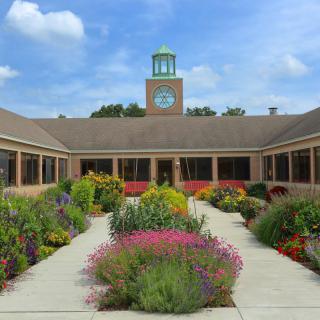
  • Garden GardenGardens are important for seniors as they provide a peaceful and therapeutic environment for relaxation, physical activity, and socialization. Being in nature has been shown to reduce stress, improve mood, and promote overall well-being. Gardens also offer opportunities for seniors to engage in gardening activities, which can improve mobility, flexibility, and cognitive function. Additionally, gardens create a sense of community and connection with others who share a passion for plants and outdoor spaces.
  • Housekeeping services Housekeeping servicesHousekeeping services are important for seniors because they help maintain a clean and safe living environment, promote independence, and reduce the risk of accidents or illnesses. Additionally, having assistance with household chores can alleviate physical strain and allow seniors to focus on other aspects of their well-being.
  • Move-in coordination Move-in coordinationMove-in coordination is important for seniors because it helps ease the transition into their new living environment. It ensures that all logistics, such as packing, organizing movers, and setting up utilities are taken care of, allowing seniors to focus on settling in and adjusting to their new home. Having a smooth move-in process can alleviate stress and anxiety, making the transition smoother and more enjoyable for seniors.
  • Outdoor space Outdoor spaceOutdoor spaces are important for seniors as they provide opportunities for physical activity, social interaction, exposure to natural light and fresh air, and a sense of connection to nature. Having access to outdoor spaces can improve overall well-being and quality of life for older adults living in senior communities.
  • Private PrivatePrivacy is important for seniors as it allows them to maintain their independence, dignity, and sense of control over their own lives. It also gives them the space and freedom to relax, reflect, and engage in activities that bring them joy and fulfillment. Creating private spaces within senior living facilities is crucial for promoting overall well-being and quality of life.
  • Telephone TelephoneTelephones are important for seniors as they provide a lifeline for communication with loved ones, emergency services, and healthcare providers. They offer a sense of security and independence, enabling seniors to stay connected and access assistance when needed.
  • Wi-Fi/high-speed internet available Wi-Fi/high-speed internet availableWi-Fi/high-speed internet is important for seniors to stay connected with loved ones, access online resources, and participate in virtual activities to combat feelings of loneliness and isolation. It also allows them to easily manage healthcare needs, access entertainment, and engage in lifelong learning opportunities.

Care Services

  • 24-hour supervision 24-hour supervision24-hour supervision is important for seniors to ensure their safety, well-being, and access to immediate assistance in case of emergencies or health issues. This constant support provides peace of mind for both seniors and their loved ones, allowing them to age in place with dignity and security.
  • Activities of daily living assistance Activities of daily living assistanceActivities of daily living assistance are important for seniors because they provide essential support with tasks such as eating, bathing, dressing, and mobility. This assistance helps seniors maintain their independence, dignity, and overall quality of life as they age.
  • Assistance with bathing Assistance with bathingAssistance with bathing is crucial for seniors as it helps maintain personal hygiene, prevents infections, and ensures their overall well-being and comfort. It also provides a sense of dignity and independence for seniors who may struggle with this task on their own.
  • Assistance with dressing Assistance with dressingAssistance with dressing is important for seniors because it helps maintain their independence, promotes personal hygiene, prevents accidents and injuries, and improves overall quality of life. This service ensures that seniors can continue to dress comfortably and confidently, despite any physical limitations they may have.
  • Assistance with transfers Assistance with transfersAssistance with transfers is crucial for seniors as it helps prevent falls and injuries, maintains their independence, and ensures they can safely navigate their living environment. It also provides peace of mind for both seniors and their loved ones.
  • Coordination with health care providers Coordination with health care providersCoordination with health care providers is crucial for seniors to ensure proper medical care, medication management, and overall well-being. This collaboration helps prevent overlapping treatments, track progress more effectively, and provide comprehensive support tailored to individual needs.
  • Diabetes diet Diabetes dietA diabetes diet is crucial for seniors as it helps manage blood sugar levels, reduce risks of complications, and improve overall health and well-being. By following a balanced and nutritious diet tailored to their specific needs, seniors can better control their diabetes and enhance their quality of life.
  • Diabetic care Diabetic careDiabetic care is crucial for seniors as they are more susceptible to developing diabetes due to aging and other health conditions. Proper management of diabetes can help prevent complications such as heart disease, vision loss, and nerve damage, improving the overall quality of life for seniors in senior living communities.
  • Incontinence care Incontinence careIncontinence care is essential for seniors to maintain their dignity, hygiene, and overall quality of life. By addressing incontinence issues promptly and effectively, seniors can enjoy a sense of independence and comfort in their daily activities.
  • Meal preparation and service Meal preparation and serviceMeal preparation and service are crucial for seniors as they may have limited mobility or energy to cook nutritious meals. Having access to healthy and convenient food options can ensure they are getting the proper nutrition needed to maintain their overall health and well-being.
  • Medication management Medication managementMedication management is crucial for seniors to ensure they are taking the right medications at the correct dosages and times. This helps prevent adverse drug interactions, reduces the risk of medication errors, and promotes overall health and well-being. Proactive management also allows for adjustments as needed based on changing health conditions or new prescriptions.
  • Special dietary restrictions Special dietary restrictionsSpecial dietary restrictions are important for seniors because age-related changes in metabolism and health conditions can make it difficult for their bodies to process certain foods. By following a diet tailored to their specific needs, seniors can maintain their overall health and well-being, manage chronic conditions, and reduce the risk of complications such as malnutrition or food interactions with medications.
  • Transportation arrangement (medical) Transportation arrangement (medical)Transportation arrangements for medical purposes are essential for seniors as they may have difficulty driving themselves to appointments or accessing public transportation. Having reliable and safe transportation options ensures that seniors can receive timely medical care and maintain their health and well-being.
  • Transportation to doctors appointments Transportation to doctors appointmentsTransportation to doctors' appointments is crucial for seniors as it ensures they have access to necessary medical care and support for their health needs. Without reliable transportation, seniors may struggle to attend important appointments, leading to potential delays in treatment and health complications. Providing transportation services helps seniors maintain their overall well-being and quality of life.

Dining

  • Diabetes diet Diabetes dietA diabetes diet is crucial for seniors as it helps manage blood sugar levels, reduce risks of complications, and improve overall health and well-being. By following a balanced and nutritious diet tailored to their specific needs, seniors can better control their diabetes and enhance their quality of life.
  • Special dietary restrictions Special dietary restrictionsSpecial dietary restrictions are important for seniors because age-related changes in metabolism and health conditions can make it difficult for their bodies to process certain foods. By following a diet tailored to their specific needs, seniors can maintain their overall health and well-being, manage chronic conditions, and reduce the risk of complications such as malnutrition or food interactions with medications.

Activities

  • Community-sponsored activities Community-sponsored activitiesCommunity-sponsored activities are important for seniors as they provide opportunities for social interaction, mental stimulation, and physical activity. These activities can help improve overall well-being, combat loneliness and isolation, and promote a sense of belonging and purpose among older adults.
  • Scheduled daily activities Scheduled daily activitiesScheduled daily activities are important for seniors because they provide structure, socialization, mental stimulation, and physical activity. Engaging in regular activities can improve overall well-being and quality of life for seniors living in a community setting.

Description

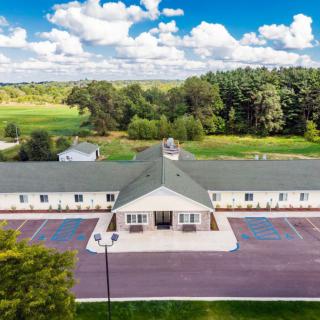
Pleasant Manor II is an assisted living community located in Jackson, MI. We offer a variety of care options including board and care home, memory care, and respite care. Our goal is to provide a comfortable and inviting environment where our residents can receive the assistance they need while maintaining their independence.

Our community features a dining room where delicious meals are served, ensuring that all dietary restrictions are accommodated. Each living space is fully furnished for the convenience of our residents. Outside, there is a beautiful garden and outdoor space for relaxation and recreation.

At Pleasant Manor II, we understand the importance of maintaining a clean and organized living space. Our housekeeping services ensure that each resident's room remains tidy and well-maintained. We also assist with move-in coordination to make the transition as smooth as possible.

We offer various care services to meet the individual needs of our residents. This includes assistance with activities of daily living such as bathing, dressing, and transfers. Our staff works closely with health care providers to coordinate any necessary medical care. For those with diabetes, we provide specialized diabetes diet and diabetic care. Incontinence care is also available for those who require it.

Meals are prepared by our dedicated staff and served according to each resident's dietary restrictions or preferences. Medication management is provided to ensure that medications are taken on time and correctly.

Transportation arrangement for medical purposes as well as transportation to doctors' appointments is available for our residents' convenience. This allows them easy access to necessary healthcare services.

In terms of amenities, each resident has access to a private telephone line and Wi-Fi/high-speed internet connection for communication or entertainment purposes. Scheduled daily activities are also provided to keep our residents engaged and stimulated.

For added convenience, there are three restaurants nearby where residents can enjoy meals off-campus if desired. Additionally, there is a place of worship nearby for spiritual support and one hospital located in close proximity for emergency medical care.

At Pleasant Manor II, we strive to create a warm and supportive environment where our residents can thrive. We are dedicated to meeting their physical, emotional, and social needs while preserving their autonomy and independence.

Nearby Places of Interest

Restaurants

  • Chateau Aeronautique Winery (0.5 miles)
  • Subway (4.5 miles)
  • McDonald's (4.5 miles)
  • One North Kitchen & Bar (5.5 miles)
  • Yen King (5.6 miles)
  • Steak 'n Shake (6 miles)
  • Pizza Hut (6 miles)

Places of Worship

  • WW Studio (3.9 miles)
  • Grace Church (6.4 miles)

Hospitals

  • Duane L Waters Hospital (4.3 miles)
  • Henry Ford Allegiance Wound Care Center (5.6 miles)
  • Allegiance Health (5.6 miles)
  • Allegiance Physical Rehabilitation-Springport Road (5.6 miles)
  • Center For Family Health (5.6 miles)
  • Allegiance Health (7 miles)
  • WAY East Jackson (7.3 miles)

Pharmacies

  • Allegiance Pharmacy (5.6 miles)
  • Meijer Pharmacy (6.1 miles)
  • Target Pharmacy (6.2 miles)
  • Walgreens (6.3 miles)
  • Advanced Care Pharmacy (6.4 miles)
  • Genoa (6.4 miles)
  • Kroger Pharmacy (6.5 miles)

Cafes

  • Biggby Coffee (5.8 miles)
  • Panera Bread (6 miles)
  • Starbucks (6 miles)
  • Biggby Coffee (6.6 miles)

Parks

  • The Park (5.9 miles)
  • Jackson County Parks Association (7 miles)
  • Loomis Park (7.2 miles)

Physicians

  • Blake Woods Medical Park Surgery Center (6.1 miles)
  • Meijer Optical (6.1 miles)
  • SVS Vision Optical Centers (6.1 miles)
  • Rx Optical, a MyEyeDr. Company (6.1 miles)
  • Ruth Genyk's Office (6.4 miles)
  • Baruti Timur MD (6.5 miles)
  • Specialty Eye Institute Retina Center (6.7 miles)

Theaters

  • GQT Jackson 10 (6.2 miles)

Frequently Asked Questions

How much does it cost to live at Pleasant Manor II in Jackson, MI?
Where is Pleasant Manor II?
Does Pleasant Manor II provide care for residents with dementia or Alzheimer's disease?
Does Pleasant Manor II allow residents to have pets?

Nearby Communities

  • Pleasant Manor I Adult Foster Care

    Pleasant Manor I Adult Foster Care

    Jackson, MI

    3.6 from 5 reviews
    $3,000 / month

    pro Friendly, caring staff; clean, organized environment with good dining and activities.

  • Range Road Home

    Range Road Home

    Jackson, MI

     
    $3,810 to $9,525 / month

    pro Comprehensive assisted living with meals, daily activities, health coordination, and furnished accommodations.

  • Miller's Country Care

    Miller's Country Care

    Jackson, MI

    3.7 from 27 reviews
    $900 to $1,300 / month

    pro Affordable memory care with private rooms

  • Creekside Residential Care

    Creekside Residential Care

    Rives Junction, MI

    4.3 from 6 reviews
     

    pro 24/7 supervision with ADL support in a furnished setting

  • Beacon Home At Jackson

    Beacon Home At Jackson

    Jackson, MI

    5 from 3 reviews
     

    pro Small, intimate setting with personalized care and comprehensive services.

  • Island Estates Senior Care

    Island Estates Senior Care

    Grass Lake, MI


    pro Small, personalized assisted living with comprehensive care and on-site amenities.

  • Vista Grande Villa

    Vista Grande Villa

    Jackson, MI

    4 from 91 reviews
    $1,690 to $2,143 / month

    pro Clean, well-maintained community with engaging activities and flexible month-to-month leases.

  • Divine Nest Assisted Living

    Divine Nest Assisted Living

    Leslie, MI

    4.8 from 16 reviews
    $3,700 / month

    pro Caring, attentive staff with excellent communication in a small, personalized community.

  • Jackson Friendly Home

    Jackson Friendly Home

    Jackson, MI

    4.6 from 56 reviews
    $1,400 / month

    pro Caring, family-like staff with engaging activities and supportive environment.

Related Resources

  • does medicaid pay for assisted livingHow and When Medicaid May Cover Assisted Living Costs

    Medicaid coverage for assisted living varies by state and is primarily available to low-income individuals, with eligibility dependent on strict income and asset limits. Some states offer HCBS waivers for specific services in assisted living, but families must generally cover room and board costs, and should verify facility acceptance of Medicaid while considering potential waiting lists.

  • assisted living waiver programA Detailed Exploration of Assisted Living Medicaid Waivers Across the United States

    Medicaid waivers for assisted living services provide vital support for seniors and individuals with disabilities in need of long-term care, with varying state-specific eligibility criteria and benefits. These waivers cover personal care and case management but often do not fully cover room and board, leading to waiting lists for many applicants.

  • assisted living vs skilled nursingExploring the Contrasts Between Assisted Living and Skilled Nursing

    The article compares assisted living and skilled nursing facilities, detailing their differing levels of assistance, medical support, cost structures, and day-to-day experiences. It emphasizes that assisted living is for those needing help with daily activities while maintaining independence, whereas skilled nursing facilities provide intensive medical care with 24-hour staff supervision.