Northland Home

347 Ballmers Avenue, Jackson, MI 49201

For more information about senior living options: (844) 490-3973

4.2 from 10 reviews
5 stars
7
4 stars
1
3 stars
0
2 stars
1
1 stars
1

Assisted Living

Overall Review of Northland Home

Pros

  • pro Highland is outstanding and top-notch.
  • pro Mike and his staff are fantastic.
  • pro The facility is highly recommended for families with dementia.
  • pro Great care is provided for residents.
  • pro The staff are nice and caring, and the owner is down to earth and focused on care over money.
  • pro The staff show compassion and keep families informed about residents.
  • pro The care team delivered excellent care and treated visitors well.
  • pro The facility is clean, well-managed, and offers daily activities for residents.
  • pro The staff's dedication makes Highland a place where people genuinely care about residents.
  • pro Highland is the preferred choice for future care and the place to go when such care is needed.

Cons

  • pro The reviewer questions why anyone would think three jobs could be combined into one and criticizes Pennie's pay, suggesting the hourly amount wouldn't sustain someone doing three jobs long term.
  • pro The reviewer notes that the grandpa declined during his stay, losing weight and becoming dehydrated because staff did not ensure he drank enough fluids, and that aides seemed to pay more attention to their cellphones than to the patients.

Review

Highland emerges in these accounts as a place that many families come to rely on for compassionate, attentive care, especially for loved ones facing dementia or needing increased assistance. Several reviewers highlight an overall sense of excellence in the staff and leadership, with Mike singled out by one writer as a fantastic point person whose team stands out as top-notch. The prevailing tone is one of trust and gratitude: a place where families feel that their relatives are treated with kindness, respect, and genuine care, and where the environment itself feels supportive rather than clinical.

A thread running through the positive experiences is the impression of care extending to difficult moments. One reviewer recalls their mother spending her last moments at Highland and leaving the world peacefully in the company of staff who cared deeply for her. This account emphasizes not just medical attention, but the emotional and communicative support provided to the family - staff who kept relatives up-to-date on everything and who treated her with grace and dignity. Across several notes, there is a shared emphasis on warmth, dependability, and a sense that the facility is more about person-centered care than about turning a profit.

Several reviews foreground the day-to-day life at Highland, painting a picture of a well-run, clean, and engaged community. One writer praises the staff as excellent and describes daily activities for residents as a staple of life there. The sentiment extends to the building itself, described as very clean and well managed, with a clear emphasis on providing a structured, engaging routine for residents. Another commenter echoes this by noting that, during their mother's stay, the staff were outstanding not only to the patient but to the family as well, underscoring a consistent level of attentiveness and hospitality. Collectively, these perspectives sketch Highland as a place where the routines and the environment support dignity and engagement for residents.

Yet the reviews are not entirely one-sided, and a different voice highlights real-world concerns about staffing and resource allocation. One commenter questions the feasibility of having three jobs combined into one and raises practical questions about compensation and sustainability, asking whether anyone would willingly shoulder such a load long-term. The same person also questions the approach to Pennie payments, hinting at broader anxieties about how staffing levels and pay structures might affect care quality over time. This critique points to a tension that often accompanies excellent frontline care: the balance between staffing, workload, and the financial realities that enable it to continue.

Another critique centers on a specific period when a family member declined while in the facility. The reviewer reports that the grandfather lost weight and became dehydrated, attributing this to insufficient attention to fluids. The same account mentions a perception that aides were more distracted by their cellphones than by the needs of the patients. While this single review contrasts with the broader positive tone, it serves as a reminder that even highly regarded facilities can face challenges in consistently maintaining every facet of care, and it highlights the importance of vigilant, compassionate attention to basic needs like hydration and uninterrupted patient support.

Looking back at the mixed experiences, another family story reinforces the strongest positive themes: a move to Highland in March 2016 when more care and assistance were necessary than an independent living facility could provide. The author commends the staff as excellent, notes daily activities and a clean, well-managed building, and ultimately would recommend Highland to anyone seeking care for a loved one. This account aligns with the others in portraying Highland as a place where care, organization, and a supportive atmosphere can make a meaningful difference in the lives of residents and their families.

Taken together, these impressions portray Highland as a community marked by genuine compassion, reliable communication, and a commitment to residents' well-being. The strongest endorsements describe staff who are kind, attentive, and deeply involved in both daily activities and meaningful moments of care, including end-of-life support. At the same time, the feedback also acknowledges real concerns about staffing capacity, workload, and the potential impact on attentiveness. The prevailing takeaway is that Highland is viewed by many families as a trustworthy, caring environment for loved ones, especially those needing dementia-related support, with a clear sense that the people who work there aim to do right by residents - though, like many care facilities, there is always room to grow in how staffing and resources are managed to sustain that standard over the long term.

Features

Housing

  • 6 resident community capacity 6 resident community capacity

Types of Care

  • Assisted Living Assisted LivingAssisted living facilities provide crucial support and care for seniors who may need help with daily tasks such as medication management, bathing, and meal preparation. These communities offer a safe and comfortable environment where seniors can maintain their independence while receiving the assistance they need to thrive in their golden years.

Amenities

  • Cable or satellite TV Cable or satellite TVCable or satellite TV is important for seniors because it provides entertainment, news, and companionship, helping to combat loneliness and boredom. It also offers a wide range of programming options tailored to different interests and preferences.
  • Dining room Dining roomDining rooms are important for seniors as they provide a space for socialization, connection, and nutritious meals. They offer opportunities for residents to bond over shared meals, foster a sense of community, and promote healthy eating habits. Dining rooms also ensure that seniors have access to well-balanced meals tailored to their dietary needs and preferences.
  • Fully furnished Fully furnishedFully furnished senior living communities are important for seniors because they provide convenience, comfort, and a hassle-free moving experience. Seniors can easily settle into their new living space without the stress of having to buy and move furniture. This allows them to focus on enjoying their new home and community.
  • Garden GardenGardens are important for seniors as they provide a peaceful and therapeutic environment for relaxation, physical activity, and socialization. Being in nature has been shown to reduce stress, improve mood, and promote overall well-being. Gardens also offer opportunities for seniors to engage in gardening activities, which can improve mobility, flexibility, and cognitive function. Additionally, gardens create a sense of community and connection with others who share a passion for plants and outdoor spaces.
  • Housekeeping services Housekeeping servicesHousekeeping services are important for seniors because they help maintain a clean and safe living environment, promote independence, and reduce the risk of accidents or illnesses. Additionally, having assistance with household chores can alleviate physical strain and allow seniors to focus on other aspects of their well-being.
  • Move-in coordination Move-in coordinationMove-in coordination is important for seniors because it helps ease the transition into their new living environment. It ensures that all logistics, such as packing, organizing movers, and setting up utilities are taken care of, allowing seniors to focus on settling in and adjusting to their new home. Having a smooth move-in process can alleviate stress and anxiety, making the transition smoother and more enjoyable for seniors.
  • Outdoor space Outdoor spaceOutdoor spaces are important for seniors as they provide opportunities for physical activity, social interaction, exposure to natural light and fresh air, and a sense of connection to nature. Having access to outdoor spaces can improve overall well-being and quality of life for older adults living in senior communities.
  • Telephone TelephoneTelephones are important for seniors as they provide a lifeline for communication with loved ones, emergency services, and healthcare providers. They offer a sense of security and independence, enabling seniors to stay connected and access assistance when needed.
  • Wi-Fi/high-speed internet available Wi-Fi/high-speed internet availableWi-Fi/high-speed internet is important for seniors to stay connected with loved ones, access online resources, and participate in virtual activities to combat feelings of loneliness and isolation. It also allows them to easily manage healthcare needs, access entertainment, and engage in lifelong learning opportunities.

Care Services

  • 24-hour supervision 24-hour supervision24-hour supervision is important for seniors to ensure their safety, well-being, and access to immediate assistance in case of emergencies or health issues. This constant support provides peace of mind for both seniors and their loved ones, allowing them to age in place with dignity and security.
  • Activities of daily living assistance Activities of daily living assistanceActivities of daily living assistance are important for seniors because they provide essential support with tasks such as eating, bathing, dressing, and mobility. This assistance helps seniors maintain their independence, dignity, and overall quality of life as they age.
  • Assistance with bathing Assistance with bathingAssistance with bathing is crucial for seniors as it helps maintain personal hygiene, prevents infections, and ensures their overall well-being and comfort. It also provides a sense of dignity and independence for seniors who may struggle with this task on their own.
  • Assistance with dressing Assistance with dressingAssistance with dressing is important for seniors because it helps maintain their independence, promotes personal hygiene, prevents accidents and injuries, and improves overall quality of life. This service ensures that seniors can continue to dress comfortably and confidently, despite any physical limitations they may have.
  • Assistance with transfers Assistance with transfersAssistance with transfers is crucial for seniors as it helps prevent falls and injuries, maintains their independence, and ensures they can safely navigate their living environment. It also provides peace of mind for both seniors and their loved ones.
  • Coordination with health care providers Coordination with health care providersCoordination with health care providers is crucial for seniors to ensure proper medical care, medication management, and overall well-being. This collaboration helps prevent overlapping treatments, track progress more effectively, and provide comprehensive support tailored to individual needs.
  • Diabetes diet Diabetes dietA diabetes diet is crucial for seniors as it helps manage blood sugar levels, reduce risks of complications, and improve overall health and well-being. By following a balanced and nutritious diet tailored to their specific needs, seniors can better control their diabetes and enhance their quality of life.
  • Meal preparation and service Meal preparation and serviceMeal preparation and service are crucial for seniors as they may have limited mobility or energy to cook nutritious meals. Having access to healthy and convenient food options can ensure they are getting the proper nutrition needed to maintain their overall health and well-being.
  • Medication management Medication managementMedication management is crucial for seniors to ensure they are taking the right medications at the correct dosages and times. This helps prevent adverse drug interactions, reduces the risk of medication errors, and promotes overall health and well-being. Proactive management also allows for adjustments as needed based on changing health conditions or new prescriptions.
  • Special dietary restrictions Special dietary restrictionsSpecial dietary restrictions are important for seniors because age-related changes in metabolism and health conditions can make it difficult for their bodies to process certain foods. By following a diet tailored to their specific needs, seniors can maintain their overall health and well-being, manage chronic conditions, and reduce the risk of complications such as malnutrition or food interactions with medications.
  • Transportation arrangement (medical) Transportation arrangement (medical)Transportation arrangements for medical purposes are essential for seniors as they may have difficulty driving themselves to appointments or accessing public transportation. Having reliable and safe transportation options ensures that seniors can receive timely medical care and maintain their health and well-being.
  • Transportation to doctors appointments Transportation to doctors appointmentsTransportation to doctors' appointments is crucial for seniors as it ensures they have access to necessary medical care and support for their health needs. Without reliable transportation, seniors may struggle to attend important appointments, leading to potential delays in treatment and health complications. Providing transportation services helps seniors maintain their overall well-being and quality of life.

Dining

  • Diabetes diet Diabetes dietA diabetes diet is crucial for seniors as it helps manage blood sugar levels, reduce risks of complications, and improve overall health and well-being. By following a balanced and nutritious diet tailored to their specific needs, seniors can better control their diabetes and enhance their quality of life.
  • Special dietary restrictions Special dietary restrictionsSpecial dietary restrictions are important for seniors because age-related changes in metabolism and health conditions can make it difficult for their bodies to process certain foods. By following a diet tailored to their specific needs, seniors can maintain their overall health and well-being, manage chronic conditions, and reduce the risk of complications such as malnutrition or food interactions with medications.

Activities

  • Community-sponsored activities Community-sponsored activitiesCommunity-sponsored activities are important for seniors as they provide opportunities for social interaction, mental stimulation, and physical activity. These activities can help improve overall well-being, combat loneliness and isolation, and promote a sense of belonging and purpose among older adults.
  • Scheduled daily activities Scheduled daily activitiesScheduled daily activities are important for seniors because they provide structure, socialization, mental stimulation, and physical activity. Engaging in regular activities can improve overall well-being and quality of life for seniors living in a community setting.

Description

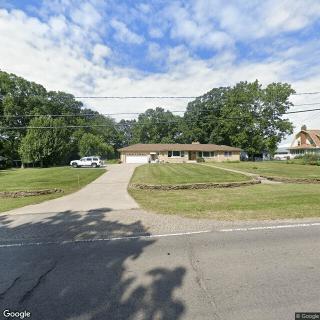
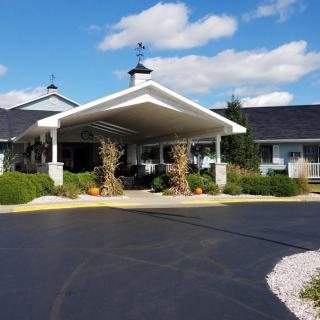
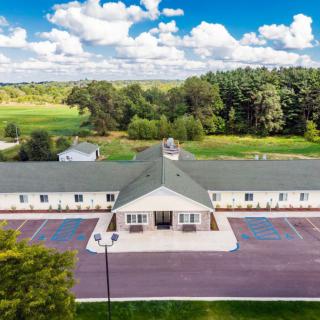
Northland Home in Jackson, MI is a vibrant and fully furnished assisted living community that offers a range of amenities and care services to ensure a comfortable and fulfilling lifestyle for its residents.

The community features a spacious dining room where residents can enjoy delicious meals prepared by our talented chef, catering to special dietary restrictions if needed. Additionally, housekeeping services are provided to maintain a clean and organized living environment.

Outdoor space is available for residents to relax and enjoy nature, while Wi-Fi/high-speed internet connectivity allows them to stay connected with loved ones and access online resources.

Our dedicated staff provides assistance with activities of daily living such as bathing, dressing, and transfers. They also coordinate with health care providers to ensure holistic care for each resident. For those managing diabetes, specialized diets are provided. Medication management is offered to guarantee the safe administration of medications.

Transportation arrangement for medical appointments is available so that residents can easily access necessary healthcare services. Scheduled daily activities keep residents engaged and entertained within the community.

Northland Home benefits from its convenient location, with several cafes, parks, pharmacies, restaurants, places of worship, theaters, and hospitals in close proximity. This ensures easy access to various amenities and services for both residents and their visitors.

At Northland Home in Jackson, MI, we strive to provide a warm and welcoming environment where residents can live independently while receiving the support they need to maintain a fulfilling lifestyle.

Nearby Places of Interest

Places of Worship

  • WW Studio (0.4 miles)

Restaurants

  • McDonald's (0.9 miles)
  • Subway (1.1 miles)
  • One North Kitchen & Bar (1.3 miles)
  • Yen King (1.4 miles)
  • Pizza Hut (1.8 miles)
  • Qdoba Mexican Eats (1.8 miles)
  • Alpha Coney Island (1.9 miles)

Pharmacies

  • Allegiance Pharmacy (1.4 miles)
  • Meijer Pharmacy (2 miles)
  • Target Pharmacy (2.1 miles)
  • Walgreens (2.2 miles)
  • Advanced Care Pharmacy (2.3 miles)
  • Genoa (2.3 miles)
  • Kroger Pharmacy (2.3 miles)

Hospitals

  • Henry Ford Allegiance Wound Care Center (1.4 miles)
  • Allegiance Health (1.4 miles)
  • Allegiance Physical Rehabilitation-Springport Road (1.5 miles)
  • Center For Family Health (1.5 miles)
  • Duane L Waters Hospital (2.2 miles)
  • Allegiance Health (3 miles)
  • Allegiance Health (3.5 miles)

Cafes

  • Biggby Coffee (1.8 miles)
  • Panera Bread (1.8 miles)
  • Starbucks (1.8 miles)
  • Biggby Coffee (2.5 miles)

Physicians

  • Rx Optical, a MyEyeDr. Company (2 miles)
  • Meijer Optical (2 miles)
  • SVS Vision Optical Centers (2.1 miles)
  • Ruth Genyk's Office (2.5 miles)
  • Specialty Eye Institute Retina Center (2.6 miles)
  • Specialty Eye Institute: Retina Institute (2.6 miles)
  • Henry Ford Allegiance Family Medicine - North Street (2.6 miles)

Theaters

  • GQT Jackson 10 (2.1 miles)
  • Michigan Theatre (3.6 miles)

Parks

  • The Park (2.6 miles)
  • Jackson County Parks Association (3.1 miles)

Frequently Asked Questions

Where is Northland Home?

Nearby Communities

Related Resources

  • assisted living vs nursing homeChoosing the Right Senior Care: A Detailed Exploration of Assisted Living and Nursing Homes

    Choosing between assisted living and nursing homes involves evaluating emotional and financial factors, with assisted living offering independence and support for daily activities at a lower cost, while nursing homes provide intensive medical care for individuals with significant health needs. The decision is influenced by personal preferences, health status, cognitive function, and varying Medicaid coverage across states.

  • assisted living costUnderstanding the True Cost of Assisted Living in 2025: A Comprehensive Guide

    Assisted living in 2025 offers a crucial balance of independence and support for seniors, with costs varying from $2,500 to over $7,000 per month based on factors such as location and care level. Understanding pricing complexities, including regional differences and potential hidden fees, is essential for families to plan financially while ensuring quality care for their loved ones.

  • does medicaid pay for assisted livingUnderstanding Medicaid Coverage for Assisted Living: A Comprehensive Guide

    The guide outlines the complexities of Medicaid coverage for assisted living, highlighting significant state-to-state variations, limited coverage often restricted to personal care services, and the existence of specialized waivers for certain needs like memory care. It advises families to consult local Medicaid offices for options while emphasizing the importance of understanding state-specific regulations and facility policies.