
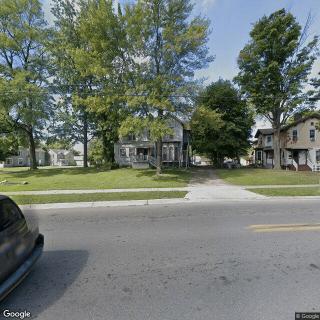
400 Van Buren Street, Jackson, MI 49201
For more information about senior living options: (866) 208-4318
Overall Review of Hope House II
Pros
 It is an excellent home for the disabled, with staff who make everyone feel like family.
- There are great staff and great residents.
- It is the best AFC ever.
Review
Hope House II in Jackson, Michigan is best suited for adults with disabilities who want a warm, family-style living environment where care feels personal and residents are treated like members of a close-knit household. The facility operates as a small, highly relational AFC setting, where everyday routines, familiarity, and attentive staff define the experience. For families seeking a home-like atmosphere over hospital-like precision, Hope House II delivers a level of continuity and belonging that is hard to match in larger operations.
Those who should consider alternatives include families needing robust clinical oversight, specialized memory-care programming, or a facility with extensive on-site medical resources. While reviewers celebrate excellence and a strong sense of family, the compact format may mean fewer advanced therapies, fewer specialized staff, and less variety in activities than bigger communities. Residents with complex medical needs, frequent wound care, or aggressive rehabilitation requirements may find better support elsewhere.
The top pros center on staff warmth and resident cohesion. Descriptions such as “excellent home for the disabled” and “best AFC ever” point to consistently attentive caregivers who know residents well and respond quickly. A strong sense of belonging emerges from resident-to-resident interactions and a culture of mutual support, which reduces isolation and creates a safety net for those who might otherwise feel adrift. The practical payoff is evident in daily life: easier navigation of tasks, fewer missed cues, and a more dignified routine.
These strengths offset certain limitations by delivering a level of personalized care that large facilities struggle to match. The intimate setting means staffing can be highly attentive, and care plans often reflect individual preferences, routines, and family input. Yet the trade-off is a narrower menu of activities, fewer on-site resources, and less formalized programming than larger operations. For families evaluating care intensity versus environment, Hope House II’s advantages, personal attention and a familial atmosphere, can outweigh the drawbacks for many residents, provided medical expectations are aligned with what the setting can deliver.
Practical considerations during decision-making include confirming staffing ratios, communication protocols with families, and the processes for medication management, transportation, and routine medical visits. Jackson’s location matters for ease of family visits and access to nearby physicians, but the central question remains whether the community can sustain the resident’s level of independence with adequate supervision. Given the emphasis on family-style care, ongoing family engagement is typically welcomed and often central to the care plan, which is a meaningful asset for planning and continuity.
Ultimately, Hope House II stands out as a top choice for families prioritizing a home-like, intimately staffed environment where residents feel seen and valued. It is a strong match for disabled adults who thrive in close-knit communities and personalized attention rather than formal clinical intensity. If the priority is community warmth and daily living well supported by compassionate staff, this community deserves serious consideration. For those needing higher levels of medical care or a broader slate of activities, compare alternatives carefully, visit with care coordinators, and verify cost structures, staffing patterns, and care plans to judge fit with confidence.
 20 resident community capacity
 Assisted Living
 Beauty salon
 Cable or satellite TV
 Dining room
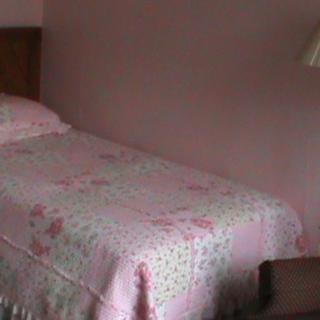
 Fully furnished
 Garden
 Housekeeping services
 Kitchenette
 Move-in coordination
 Outdoor space
 Telephone
 Wi-Fi/high-speed internet available
 24-hour call system
 Activities of daily living assistance
 Assistance with bathing
 Assistance with dressing
 Assistance with transfers
 Diabetes diet
 Meal preparation and service
 Medication management
 Mental wellness program
 Special dietary restrictions
 Transportation arrangement (medical)
 Transportation to doctors appointments




 Beyond the Bingo Hall: 50+ Enriching Activities for Seniors in Assisted Living
 Understanding the Distinctions: Assisted Living and Memory Care Explained
 Guiding Elderly Parents Who Refuse Assisted Living: 6 Practical Steps