1948 Cooper Street, Jackson, MI 49202
For more information about senior living options: (866) 208-4318
Overall Review of Highland Home For The Aged
Pros
 Highland is outstanding and highly regarded.
- Mike was fantastic and his staff were top-notch.
- The facility is highly recommended for dementia care because the staff truly cares.
- The care provided at the facility is great.
- The staff are compassionate and attentive; the owner is down to earth and care is about people rather than money.
- The staff keeps families well-informed with updates.
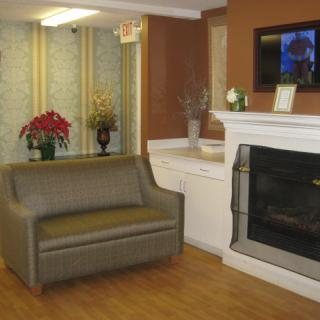
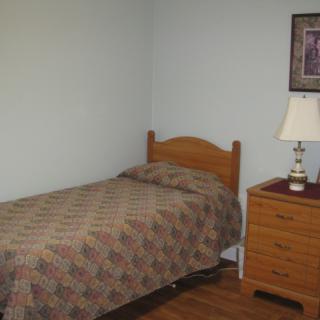
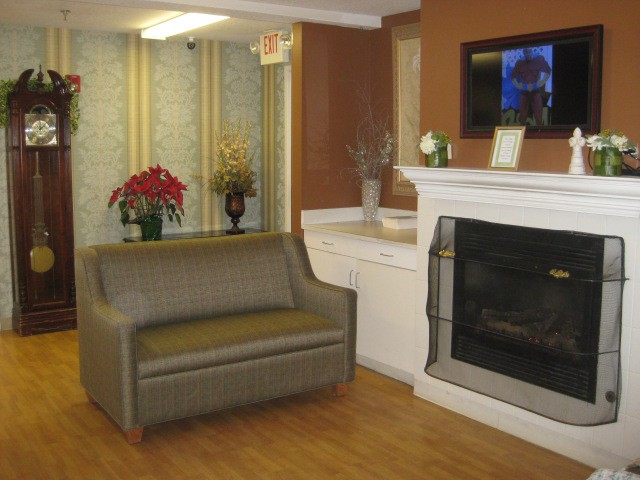
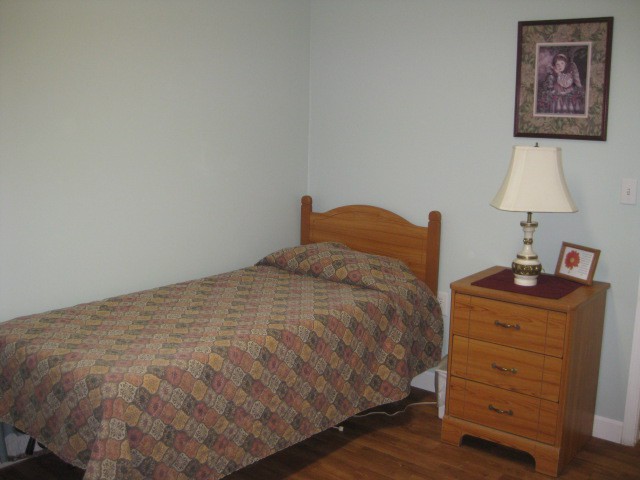
- The rooms are large and comfortable, and the environment is safe, nurturing, and loving.
- On-site meals are excellent thanks to a chef on staff, supporting residents’ health.
Cons
 He declined significantly during his stay, losing weight and becoming dehydrated because the staff didn’t ensure he drank enough fluids.
- The aides seemed to pay more attention to their cellphones than to the patients.
- The facility appeared old and not very clean.
- The staff's explanation of her fall seemed impossible and had changed multiple times.
- The director was nice, but the facility itself was not impressive.
- The facility seemed crowded and not a suitable place for a loved one.
Review
Highland Home For The Aged in Jackson, Michigan is best suited for families that need intricate dementia care delivered in a intimate, home-like setting where caregiving is the core mission. The reviews consistently point to a community that treats residents with genuine warmth, with staff and an owner who appear to view care as a calling rather than a job. The facility earns admiration for its memory-care focus, structured daily activities, and a sense that residents are not simply supervised but tended to with personal attention. For families facing Alzheimer’s or other forms of dementia, this is a place where routines, clear communication with families, and a calm, compassionate environment can translate into meaningful comfort for both residents and loved ones.
That said, there are clear conditions where alternatives deserve consideration. A few reviews flag concerns about an older facility in need of ongoing upgrades, and one account describes a crowded atmosphere that felt less than ideal. Staffing realities also surface in anecdotes about three roles being handled by a single caregiver, and a report of aides more engaged with their phones than with residents. For families who prize a newer campus, more robust maintenance, or consistently low staff turnover with predictable ratios, exploring other options may be warranted. Also, those whose loved one does not require intensive memory-care services or who prefer a facility with a different care emphasis will want to compare alternatives.
The strongest pros, the ones that consistently reappear and appear to shape every positive outcome, are the depth of dementia training and the visible commitment to individualized care. Families repeatedly cite attentive caregivers, ongoing staff education, and a philosophy that centers resident dignity and peace of mind. The presence of a house manager and a hands-on owner offers a reassuring leadership spoke that aligns daily practice with compassionate values rather than profitability alone. Memory-care residents benefit from dedicated attention, with praise for staff who can redirect agitation, support behavior challenges, and maintain a sense of normalcy through scheduled activities and routine. On-site clinical input, including a resident-focused doctor and a chef-led kitchen, contributes to both medical and nutritional stability that many families value highly.
These strengths offset several notable drawbacks, though not perfectly. The positive experiences, clear communication with families, consistent daily activities, and a caring climate, help mitigate worries about isolation or neglect. The nurse-like oversight, regular meals prepared by a chef, and meaningful engagement opportunities create a framework in which even difficult days can feel managed and humane. While dehydration and weight loss concerns surface in isolated stories, the overwhelming majority of reviews describe a nurturing, safe home where staff are driven to do right by residents. In practice, the care model appears to work best when families come prepared to ask pointed questions about staffing levels, monitoring routines, and how care plans are updated when needs shift.
For families evaluating a visit or tour, key questions should focus on concrete day-to-day realities. Inquire about caregiver-to-resident ratios across shifts, whether dementia-specific training is refreshed regularly, and how the facility handles behavioral challenges without compromising safety. Probe the menus, dining experience, and whether residents have regular access to a house doctor or on-site medical oversight. Ask how hydration, nutrition, and weight are tracked, how activity calendars are structured, and what happens if a resident requires more intensive supervision. Finally, verify how families are kept in the loop, whether updates come automatically, how quickly member staff respond to concerns, and how care plans adapt as dementia progresses.
Overall, Highland Home For The Aged stands out as a thoughtful, dementia-focused choice in Jackson. It is especially compelling for families seeking a facility where staff training, personal attention, and daily structure are non-negotiables, and where compassionate care is lived out in routine, not just in moments of crisis. The best fit is a resident who benefits from memory-care specialization, predictable daily rhythms, and a culture that prioritizes resident comfort and family communication. Less ideal would be a situation requiring a newer, more modern campus or highly standardized care with less emphasis on individualized, intimate interaction. For those who can accept the trade-offs, Highland provides a practical, capable home that many families come to rely on when memory care needs are paramount.
 32 resident community capacity
 Studio apartments
 Assisted Living
 Memory Care
 Respite Care
 Beautician on-site
 Cable or satellite TV
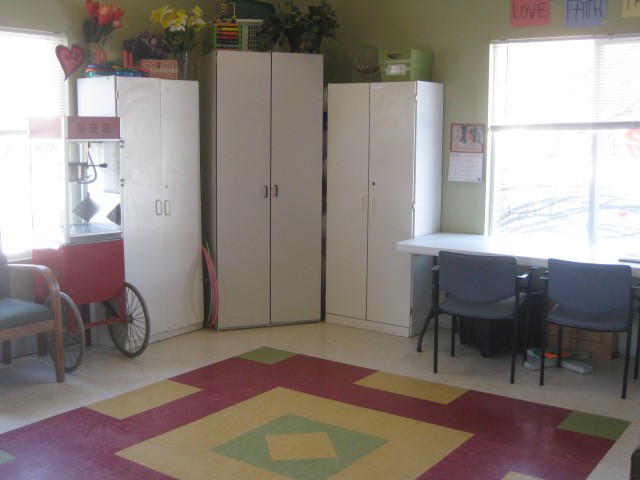
 Dining room
 Financial aid
 Fully furnished
 Garden
 Housekeeping services
 Kitchenette
 Move-in coordination
 Outdoor space
 Restaurant-style dining
 Security gate
 Small library
 Telephone
 Wi-Fi/high-speed internet available
 24-hour call system
 Activities of daily living assistance
 Assistance with bathing
 Assistance with dressing
 Assistance with transfers
 Diabetes diet
 Medication management
 Mental wellness program
 Special dietary restrictions
 Walking wheelchair assistance
 Arts and crafts
 Cooking club
 Fitness programs
 Games
Games Live musical performances
 Religious services
 English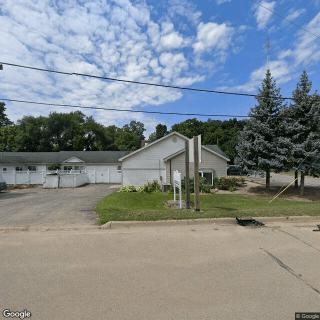



 Illuminating Insights About Alzheimer's Disease: Ten Crucial Realities
 A Thorough Discussion of Medications Potentially Linked to Dementia Risk
 Why Do Dementia Patients Sleep So Much? Understanding Oversleeping, Stages, and Care Approaches