
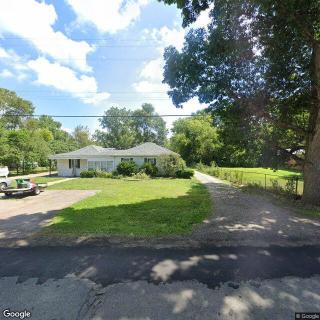
5585 Brooklyn Road, Jackson, MI 49201
For more information about senior living options: (866) 208-4318
Overall Review of Greenleaf Care Home II
Pros
 The staff are friendly, approachable, and provide regular updates to families.
- Meals are cooked on-site with real, wholesome food.
- The home is small and intimate, offering personal care and a warmer environment than a typical nursing home.
- The staff are exceptionally trained in dementia/Alzheimer’s care and give residents 110 percent of their loving hearts.
- The home is described as first-rate and truly feels like a caring, home-like environment.
- Residents feel happy, safe, and well cared for.
Cons
 There was a lack of concern from the owners/director.
- The owner who lived nearby offered no compassion or sympathy when the mother was dying.
- Two employees argued during the mother's transition.
- The family felt they were treated as a dollar amount rather than with the compassion deserved.
- A phone call to family was deemed too much to ask.
Review
Greenleaf Care Home II in Jackson is best suited for families seeking a small, home-like setting where personal attention from a warm, committed staff is the core value. This community shines for residents who need daily supervision in a intimate environment, and for families who want real, home-cooked meals and regular updates about their loved one. The emphasis on proximity to staff, the opportunity for meaningful interactions, and a setting that feels more like a welcoming residence than a facility make it ideal for seniors who thrive on routine, conversation, and genuine warmth. For memory care or dementia-prone residents, the reviews consistently highlight staff who are patient, engaged, and capable of maintaining dignity through daily activities, humor, and steady supervision. In short, this is a discreet, people-focused option where relationships matter as much as basic care.
Those evaluating options should recognize who may want to consider alternatives. While the community earns high marks for care, there are concerns voiced about leadership and communication during sensitive moments. A number of reviewers note the owner/director works from home and can come across as distant in crises, which can leave families feeling unsupported when transitions are most fragile. Instances of staff discord during critical moments, and a sense that residents or families are treated as a dollar figure rather than as people, are red flags that warrant caution. For families demanding visible, proactive administrative involvement, predictable crisis-response, and consistently transparent communication with loved ones, other homes may feel more reassuring.
The strongest pros here offset many potential drawbacks in meaningful, tangible ways. The staff is repeatedly described as friendly, accessible, and genuinely invested in residents’ well-being. Families report being updated regularly, with staff actively talking with relatives about daily happenings and changes in care. The home-like atmosphere, combined with real, well-prepared meals, creates a comforting daily rhythm that supports appetite, mood, and social interaction. Importantly, the care team is portrayed as exceptionally skilled in dementia and Alzheimer’s care, enabling residents to laugh, relax, and stay engaged in familiar activities. That combination , intimate setting plus highly competent, affectionate staff , is hard to match in larger, impersonal institutions.
Yet the perceived gaps in leadership cannot be ignored. When handling end-of-life moments or transitions, some families felt a lack of compassion and almost a transactional treatment of their loved one. The impression that the owner’s physical proximity to the home translates into too little hands-on sensitivity at critical times underscores a need for clarity about who makes decisions, how concerns are escalated, and how families are kept in the loop during emotional periods. While many staff members rise above these concerns and deliver outstanding daily care, this is a reminder that leadership consistency and crisis communication are meaningful factors in satisfaction, particularly for families navigating difficult transitions.
From a practical decision-making standpoint, prospective residents and families should focus on a few concrete checks. Visit and observe how staff interact with residents who have memory challenges, noting patience, tone, and the speed of responses. Request to review sample meals and daily activity schedules, confirming that nutrition and engagement align with a senior’s preferences. Ask about documentation: care plans, regular family updates, and how changes are communicated. Inquire about staff turnover, training specifics for dementia care, and what the escalation path looks like if concerns arise. Speak with a few current families to gauge consistency between glowing anecdotes and day-to-day realities.
Ultimately, Greenleaf Care Home II stands out as a strong choice for those who prize intimacy, steady companionship, and dementia-aware, affectionate caregiving in a home atmosphere. It delivers meaningful value where personal connection drives daily life, and where families can feel they know the people charged with their loved one’s safety and happiness. If uncompromising leadership visibility, crisis empathy, and a perfectly smooth administrative signal are essential, alternatives should be explored. A decisive next step is a focused tour combined with candid conversations with both the administrator and several frontline staff, plus talking to multiple families about real-life experiences during transitions and routine weeks.
 12 resident community capacity
 Assisted Living
 Board and Care Home
 Respite Care
 Cable or satellite TV
 Dining room
 Fully furnished
 Garden
 Housekeeping services
 Move-in coordination
 Outdoor space
 Telephone
 Wi-Fi/high-speed internet available
 24-hour supervision
 Activities of daily living assistance
 Assistance with bathing
 Assistance with dressing
 Assistance with transfers
 Diabetes diet
 Meal preparation and service
 Medication management
 Special dietary restrictions
 Transportation arrangement (medical)
 Transportation to doctors appointments




 Exploring the Path to Senior Living: A Comprehensive Look at Independent Living and Assisted Living
 Is Assisted Living Deductible on Your Taxes? Understanding the Complexities of Assisted Living Expenses and Deductions
 Assisted Living Support for Veterans: A Complete and Detailed Overview