
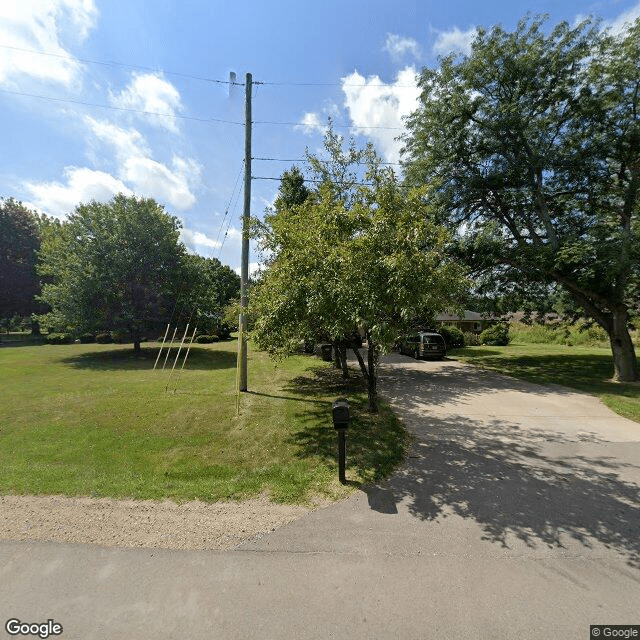
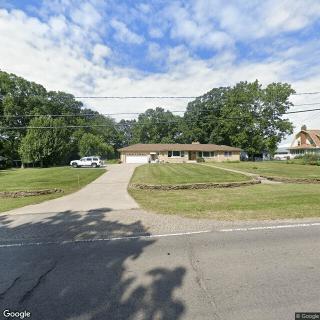
5585 Brooklyn Rd, Jackson, MI 49201
To contact a resident: (517) 764-4163
For more information about senior living options: (866) 208-4318
Greenleaf Care Home I & II Costs & Pricing
Greenleaf Care Home I & II offers competitive pricing for its residents, particularly when compared to both Jackson County and the broader state of Michigan. For semi-private accommodations, the monthly fee at Greenleaf is $2,300, which is significantly lower than Jackson County's average of $2,777 and the state's average of $3,191. Similarly, in terms of private rooms, Greenleaf's rate of $2,500 stands out against Jackson County's $3,755 and Michigan's statewide average of $3,675. These cost differences illustrate that Greenleaf Care Home I & II is not only an affordable option but also provides value for those seeking quality care in a supportive environment.
| Floor plans | Greenleaf Care Home I & II | Jackson County | Michigan |
|---|---|---|---|
| Semi-Private | $2,300 | $2,777 | $3,189 |
| Private | $2,500 | $3,755 | $3,674 |
Senior living communities with a similar price nearby
-
from +$164 / mo

Chelsea Retirement Community
$2,464 to $4,436 / month16.7 miles away -
from -$270 / mo
Highland Assisted Living & Memory Care
$2,030 / month7.4 miles away -
About the same
Arbor Manor Care Center
$2,250 to $2,400 / month12.1 miles away -
from +$200 / mo
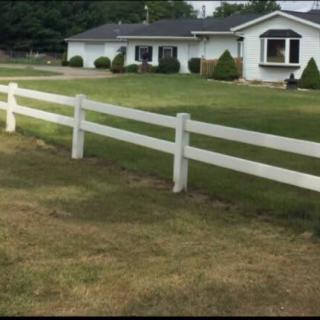
H/Yesus AFC
$2,500 to $3,000 / month4.4 miles away -
from +$400 / mo
Garden Estates
$2,700 / month8.9 miles away
Overall Review of Greenleaf Care Home I & II
Pros
 The staff are very friendly and provide updates to families about residents.
- They cook real meals on site.
- The facility is small and intimate, conducive to personal care.
- The environment feels more home-like than a typical nursing home.
- Residents adjust quickly and feel safe, well-fed, and cared for.
- The staff show 110 percent of loving care, always there for residents.
- There are frequent activities, holiday parties, games, and movie nights.
- The staff are exceptionally trained to care for residents with dementia and Alzheimer's.
Cons
 They were concerned about the owners/director's lack of concern when their mother was nearing death.
- They felt they and their mother were treated as a dollar amount rather than with compassion.
- They observed two employees arguing while their mother was in transition.
- They were not overly impressed by the management or care from the owners.
- They felt that making a phone call to family was too much to ask.
Review
Greenleaf Care Home I & II is best suited for seniors who want a small, home-like setting where caregiving feels personal and attentive. In Jackson, Michigan, this community shines for residents who value real meals, a cozy, intimate environment, and daily interactions that feel like family care rather than institutional oversight. The setting is clearly designed for hands-on support: residents tend to adjust quickly, and families can receive frequent updates about safety, meals, and daily activities. This is the sort of place where staff members become familiar presences in a resident’s life, making everyday moments feel meaningful rather than routine.
Those considering alternatives should note that this is not the pick-for-everyone option. Families needing a larger campus with a more formal corporate structure, broader medical oversight, or a higher level of medical coordination may find other communities better aligned with those expectations. If leadership visibility and proactive crisis management from owners or operators are non-negotiable, or if a resident requires a highly structured, highly regulated environment with consistent executive involvement, exploring additional options is wise. This isn’t a red flag so much as a reminder to clarify governance and communications up front.
The strongest advantages, staff warmth, accessibility, and the homey feel, quietly offset several concerns when weighed in daily living terms. Families repeatedly praise frontline caregivers for being available, friendly, and genuinely engaged, which translates into frequent updates, calm reassurance, and consistent companionship for residents. The kitchen serves real, home-cooked meals, and the activity calendar, with games, parties, movie nights, and dementia-focused programming, helps residents stay connected and engaged. In a setting this small, the personal touch matters, and that depth of attention often eclipses what larger facilities can promise in terms of intimate, day-to-day experience.
That said, the most serious caveat centers on leadership and crisis response. A few reviewers described occasions where the owner or director did not demonstrate the level of compassion expected during a loved one’s transition or illness, raising concerns about how concerns would be handled during a true emergency. There were also reports of tense moments between staff during transitions that suggest the potential for emotionally charged situations to arise in stressful times. Families should recognize these as warnings to seek clear, written expectations about crisis communication, care plan adjustments, and the owner’s role in routine and urgent decisions before choosing this community.
Dementia and memory-care needs are a particular strength here, and that focus carries significant weight for families navigating Alzheimer’s or related conditions. The staff’s specialized training and the care culture surrounding memory care translate into calmer days, better mood stability, and more personalized strategies for daily routines. For residents whose cognitive challenges require consistent, compassionate approaches and structured reminiscence activities, Greenleaf’s approach is a clear advantage. This specialty matters greatly when choices hinge on the quality of care for memory-impaired loved ones.
In the end, Greenleaf Care Home I & II offers compelling value for families prioritizing warmth, close-knit caregiving, and dementia-focused programming in a truly small setting. It is a strong recommendation for those who want frequent updates, real-meal nourishment, and a habitat that feels like a caring home. However, if governance transparency, proactive owner involvement, or a more formal, crisis-ready framework is non-negotiable, it is prudent to compare alternatives that present a more robust leadership structure and a clearer escalation plan. The next step is a direct visit with questions: explore staffing ratios, meet frontline caregivers and the administrator, review sample care plans, and request references from current families to ensure that the daily experience aligns with the expectations set for this intimate, home-like community.
 Board and Care Home
 Activities on-site
 Beautician on-site
 Private
 High acuity care
 Medication management
 Meals provided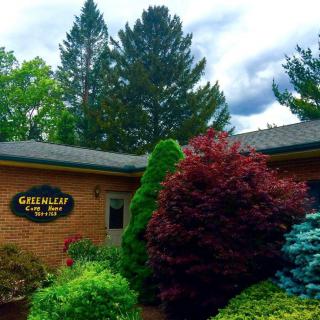



 Weight Training for Seniors: Building Strength and Vitality
 Understanding the Sandwich Generation: Stress and Responsibilities for Multigenerational Caregivers
 8 Essential Assistive Devices for Older Adults