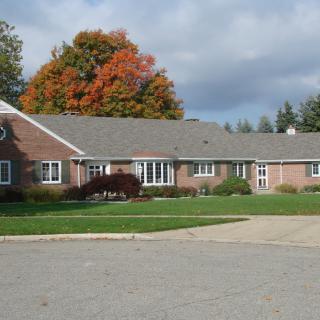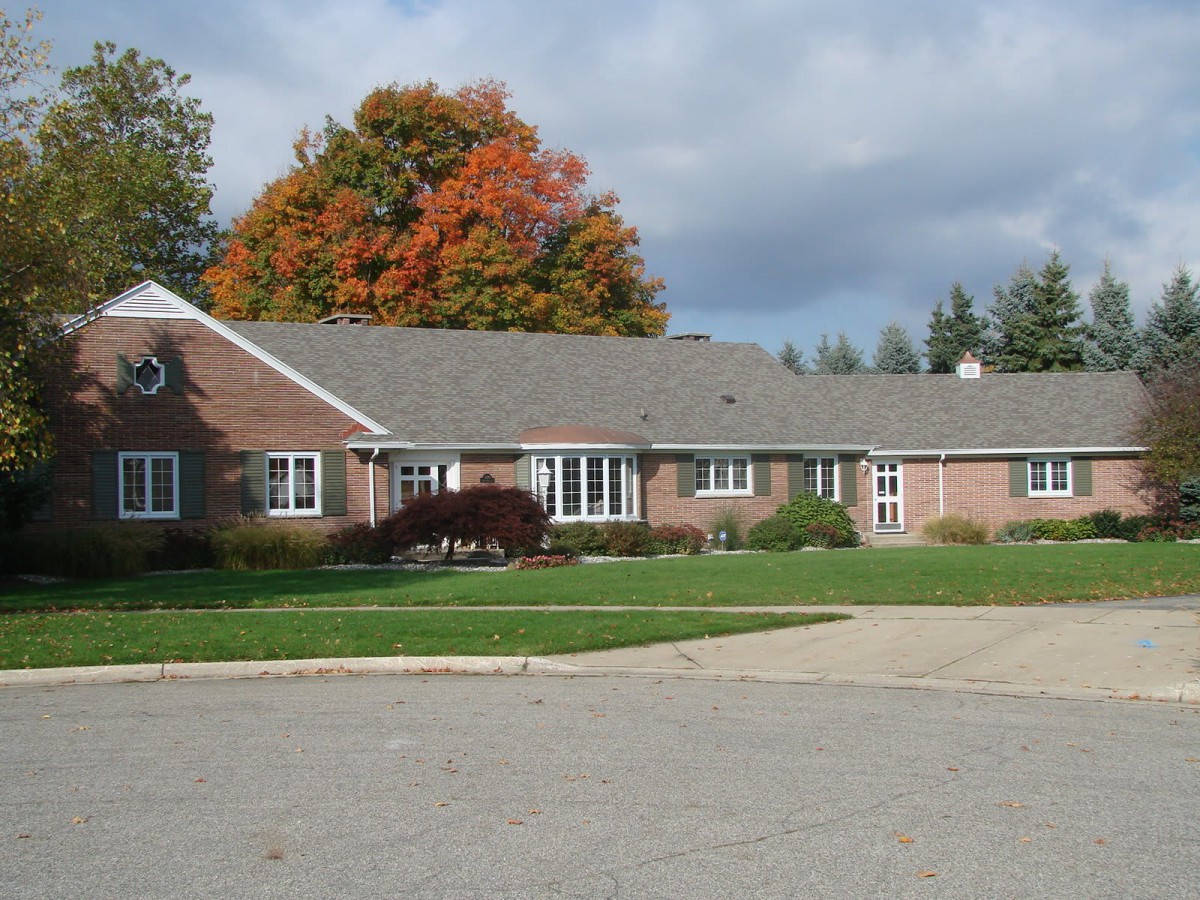
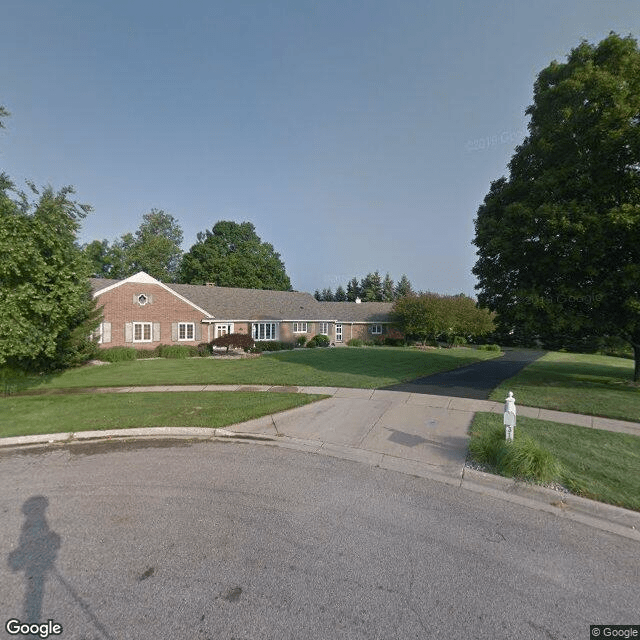
3109 South Bluff Court, Hudsonville, MI 49426
To contact a resident: (616) 209-5029
For more information about senior living options: (866) 208-4318
Platinum Living Costs & Pricing
Platinum Living offers competitive pricing for its residents, with monthly costs that compare favorably to both Ottawa County and the broader state of Michigan. For a semi-private room, Platinum Living's rate is $3,000, which is notably lower than the county's average of $3,257 and even more so compared to the state's figure of $3,191. Similarly, in the private room category, residents at Platinum Living pay $3,500 - this is slightly less than Ottawa County's average of $3,513 and more advantageous than Michigan's statewide average of $3,675. This positioning not only highlights Platinum Living's commitment to affordability but also reinforces its value proposition within the local market.
| Floor plans | Platinum Living | Ottawa County | Michigan |
|---|---|---|---|
| Semi-Private | $3,000 | $3,257 | $3,189 |
| Private | $3,500 | $3,513 | $3,674 |
Senior living communities with a similar price nearby
-
from -$450 / mo

Hubert Assisted Living Home Care
$2,550 to $4,200 / month4.8 miles away -
from -$500 / mo
Platinum Living of Michigan - Kentwood
$2,500 / month12.3 miles away -
from -$450 / mo
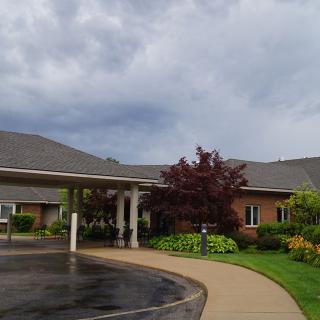
Sheldon Meadows Living Center
$2,550 to $4,000 / month2.2 miles away -
from -$345 / mo
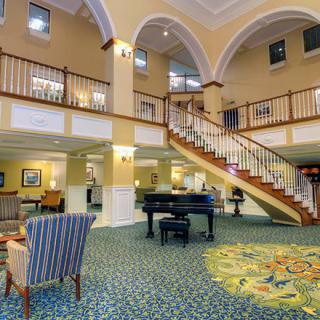
Freedom Village ( Holland )
$2,655 to $5,965 / month13.2 miles away -
from +$100 / mo
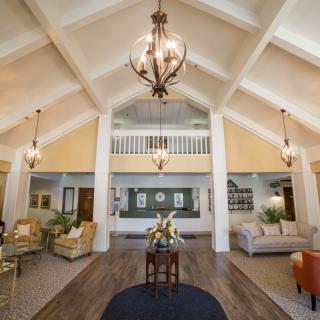
Sentinel Pointe
$3,100 to $4,400 / month18.0 miles away
Overall Review of Platinum Living
Pros
 The facility feels home-like and respects residents’ privacy.
- Meals are good, snack times are fun, baths are scheduled, and clothes are washed—like Mom would have done.
- The staff are very nice and nurturing, treating residents as family.
- Residents are allowed to help with chores, such as setting the table, vacuuming, and cooking, and fit in nicely at the facility.
- The staff do a great job across the board, with Brenda ensuring residents are cared for and medication adjustments handled promptly with RN monitoring.
- Sara was wonderful.
Cons
 The staff were very rude.
- If it had been up to them, they would have removed her immediately.
Review
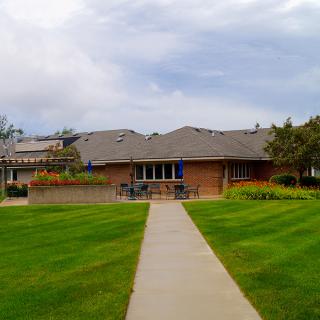
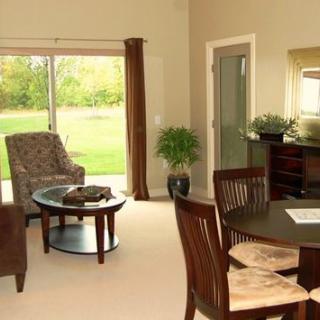
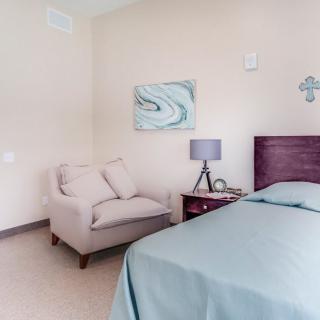
Platinum Living in Hudsonville, MI is best suited for seniors who want a tightly knit, home-like setting where privacy and daily routines feel familiar. With a small community footprint, about six residents at a time, it offers intimate, individualized attention and a philosophy of family-like care that resonates with families who dislike impersonal, fast-paced environments. This is not the place for those who require robust medical oversight, frequent clinical interventions, or expansive social programming. Families prioritizing warmth, familiar chores, and a gentle pace will find the strongest alignment here; those prioritizing scale and clinical depth may want alternatives.
Pros: The small size creates a predictable, intimate atmosphere. Residents can have privacy when desired, and the setting feels more like a home than a traditional boarding-style facility. Meals are described as good, with snack times enjoyable. The routine includes baths, laundry, and opportunities to help with chores like setting the table, vacuuming, or cooking. This approach supports dignity and purpose, enabling residents to contribute and maintain independence. The family-centric philosophy shapes interactions among residents and staff, making the environment feel safe and familial rather than institutional.
Cons: The most persistent concern is staff demeanor. Multiple reviews pull no punches about rude interactions with staff when visited, signaling potential inconsistency in caregiving warmth and responsiveness. While some staff members are highlighted positively, Brenda, who coordinates care and monitors medications, and whispers of an RN involvement, the overall picture includes episodes of poor bedside manner. With a tiny staff pool, turnover and variability can magnify these experiences, creating an uneven resident experience. The combination of a small community and reported rudeness is a red flag for anyone ensuring reliable, respectful care.
How the positives offset the negatives: For families prioritizing everyday comfort and autonomy, the home-like routines, privacy, and the ability to participate in light chores can offset some staff rough edges, particularly when staff like Brenda or Sara step in to coordinate care and advocate. The medication adjustments and RN oversight mentioned by some families suggest a clear path to medical attention when needed, which mitigates some risk. However, the offset is conditional on encountering consistently caring personnel rather than sporadic warmth, and that is not guaranteed given mixed reviews.
Other considerations: The six-resident model enhances safety for those who want less stimulation and more manageable social dynamics, yet it may limit social opportunities for residents who crave broader activity options. Families should probe how activity programming, outings, and emergency procedures are handled, and confirm the exact level of clinical oversight available daily. The data suggests a facility that can deliver comfortable, home-like care when the staff are at their best, but it can also degrade if the caregiving tone deteriorates.
Bottom line for decision-makers: Platinum Living suits a family seeking a warm, intimate setting where daily life and dignity are foregrounded, and where a resident benefits from personalized attention in a small group. If reliable, consistently kind staff and stronger clinical oversight are priorities, alternatives should be considered, look for communities with larger resident populations or more formal care protocols, more visible RN coverage, and steadier staff engagement. Before deciding, visit at multiple times, speak with current residents and families about staff interactions, request a clear medication management plan, and verify governance and response processes. This approach ensures a fit that aligns with values and needs.
 Board and Care Home
 Activities on-site
 Bath tubs
 Devotional services on-site
 Indoor common areas
 Outdoor common areas
 Private
 Respite or short term stays offered
 Swimming pool / hot tub
 Wheelchair accessible showers
 Kent County International (17 miles away)
 Ambulatory care
 Diabetic care
 High acuity care
 Incontinence care
 Medication management
 Meals provided

 Navigating the Tax Landscape of Caregiving: Credits, Deductions, and Beyond
 Highly Beneficial Low-Impact Exercises for Senior Living Residents
 Is In-Home Healthcare Tax Deductible? Your Comprehensive Guide