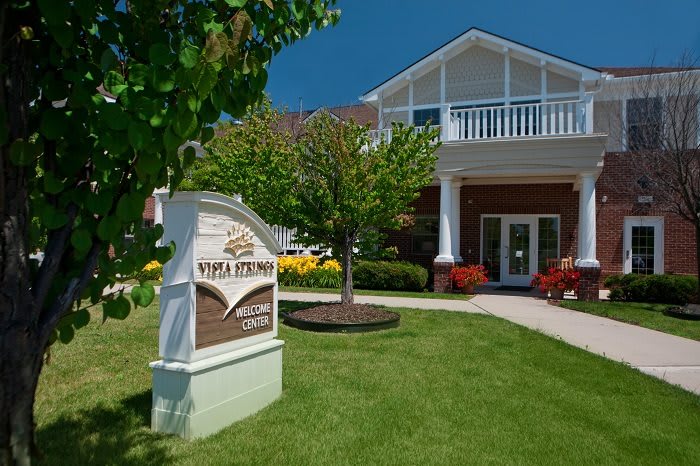
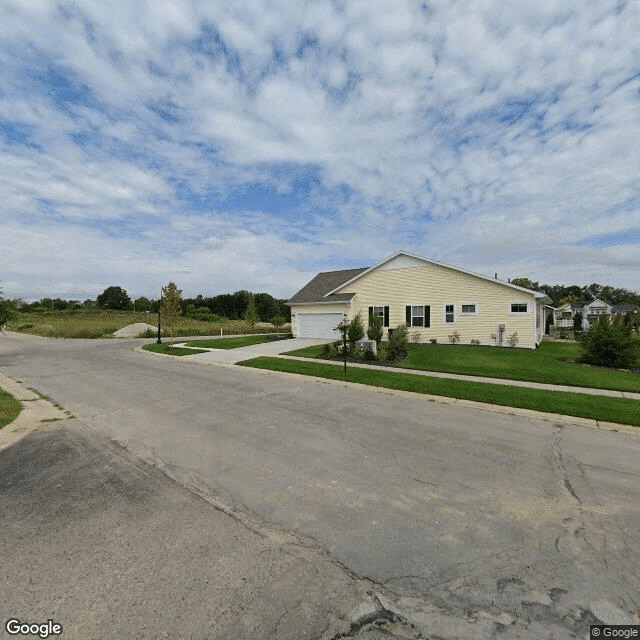
Vista Springs Howell

Save
Vista Springs Howell Vista Springs Howell

Vista Springs Howell in Howell, MI

605 Pere Marquette, Howell, MI 48855

For more information about senior living options: (844) 490-3973

3.8 from 46 reviews
5 stars
29
4 stars
3
3 stars
0
2 stars
3
1 stars
11

Assisted Living Independent Living

Vista Springs Howell Costs & Pricing

At Vista Springs Howell, residents can find various living arrangements at competitive prices that reflect the current market trends in Livingston County and Michigan. For those considering a semi-private room, the monthly cost is $3,150, which is notably more affordable than the county average of $3,952 while remaining slightly below the state average of $3,191. The studio option is priced at $4,000 - this figure surpasses the county's average of $3,783 and aligns closely with Michigan's statewide rate of $3,824. For individuals seeking greater privacy in a one-bedroom apartment, Vista Springs Howell offers this option for $4,500; although this exceeds both local and state averages ($4,124 and $3,384 respectively), it reflects the premium amenities and services that residents enjoy. Overall, Vista Springs Howell presents a thoughtful pricing structure aimed at meeting diverse needs while ensuring comfort and quality care.

Floor plansVista Springs HowellLivingston CountyMichigan
Semi-Private$3,150$3,952$3,189
Studio$4,000$3,783$3,824
1 Bedroom$4,500$4,124$3,384

Overall Review of Vista Springs Howell

Pros

  • pro The community offers a warm, cozy atmosphere that feels like family.
  • pro The staff are friendly, caring, and dedicated to the residents.
  • pro The dining program provides a five-star experience with fresh, homemade meals.
  • pro The facility is clean, well-maintained, and welcoming.
  • pro The staff go above and beyond to make residents feel safe, respected, and loved.
  • pro Management is accessible and communicates well with families.
  • pro There are engaging daily activities and a varied, appealing menu.
  • pro The community is often described as one of the nicest, with a family-oriented atmosphere.

Cons

  • pro The reviewer believes the new ownership is worse than Vista and that management and corporate do not care about residents.
  • pro Families are leaving because of management.
  • pro Staffing is severely under-resourced, with times when only two caregivers serve 30 residents and sometimes only one med tech passes meds.
  • pro The facility is not state-licensed, raising concerns about compliance and oversight.
  • pro There has been extremely high turnover of managers and staff, leading to a lack of consistency.
  • pro Meals are subpar, lacking protein and fresh vegetables/fruits.
  • pro There are frequent medication errors, including overmedicating or undermedicating, and staff training is inadequate.
  • pro Management is unprofessional, and one reviewer was banned after a disagreement; the reviewer warns readers to stay away.

Review

Vista Springs Howell is best suited for seniors who want a warm, family-like assisted living experience with robust social programming and standout dining. Residents here tend to benefit from a culture where staff are consistently described as caring and approachable, forming connections that feel personal rather than transactional. The environment is clean, well-kept, and designed to foster a sense of belonging, with active menus and lively daily activities that give families confidence in ongoing engagement. For memory care or seniors who thrive on social outings and meaningful routines, the community's emphasis on participation, togetherness, and culinary quality can be a decisive asset. In short, this is a strong fit for families who value warmth, friendliness, and a kitchen that delivers fresh, varied meals.

Nevertheless, several reviewers flag factors that make alternatives worth weighing, especially for families with tight requirements around regulatory compliance and stable clinical oversight. A notable thread concerns licensing status and management turnover, suggesting potential gaps in long-term leadership and consistency. Reports of frequent leadership changes, limited nurse presence on some shifts, and ongoing staffing churn raise questions about continuity of care. For households where a steady, predictable care framework is non-negotiable, these factors create a meaningful risk that warrants careful comparison with other options in the region.

The community's positives frequently offset many of its logistical challenges. Consistently praised elements include front-line staff who are described as patient, attentive, and genuinely invested in residents' well-being; a dining program that residents and visiting family members routinely rate as excellent; and a generally bright, welcoming physical setting. The family-like atmosphere, dependable communication when it is possible, and the wide array of activities - day trips, memory-care programs, and social events - help residents stay connected and engaged. When leadership is stable and staffing levels are adequate, these strengths can translate into dependable, day-to-day quality that many families find compelling.

That said, the more troubling concerns persist for some families. Accounts of lean staffing - sometimes only a couple of caregivers for dozens of residents - and occasional medication-management gaps point to vulnerabilities in day-to-day operations. Reports of high turnover among managers and coordinators can translate into inconsistent care plans, shifting expectations, and delayed responsiveness. The perception that regulatory compliance may be uneven adds another layer of risk for those who require rigorous oversight and formalized accountability. These aren't universal experiences, but they are persistent enough to influence decision-making for households weighing long-term placement.

For families actively evaluating this community, a practical, decision-focused approach is essential. Schedule tours during peak activity times to observe actual staff-to-resident ratios and response times firsthand. Probe licensing status and the current leadership team, and ask pointed questions about how medications are administered and who covers evenings and weekends. Request recent internal notes or summaries of regulatory inspections, and inquire about staff turnover rates and onboarding training. Meet with both care staff and the wellness director to understand care planning processes, and verify menus and dietary accommodations to ensure they align with specific health and taste preferences.

Ultimately Vista Springs Howell offers a compelling blend of warmth, hospitality, and vitality that resonates with families seeking a homelike, engaging environment. Its strengths - compassionate frontline care, strong dining experiences, and a vibrant activity calendar - create meaningful value when the operation is steady and well-staffed. The trade-off is clear: while many residents thrive in this community, concerns about licensing perceptions and ongoing management turnover make some families cautious, particularly those who prioritize consistent clinical oversight and long-term leadership stability. The prudent choice involves an on-site evaluation paired with candid conversations about staffing, licensing, and care processes, so the decision rests on a thorough, lived experience rather than impressions alone. When those boxes are checked and the fit is right, the community can feel like a true home where seniors not only receive care but truly flourish.

Features

Housing

  • 50 resident community capacity 50 resident community capacity

Types of Care

  • Assisted Living Assisted LivingAssisted living facilities provide crucial support and care for seniors who may need help with daily tasks such as medication management, bathing, and meal preparation. These communities offer a safe and comfortable environment where seniors can maintain their independence while receiving the assistance they need to thrive in their golden years.
  • Independent Living Independent LivingIndependent living communities are important for seniors because they offer a safe and supportive environment where older adults can live independently while still having access to amenities and services that enhance their quality of life. These communities provide social opportunities, recreational activities, and assistance with daily tasks, promoting overall well-being and allowing seniors to maintain their independence for as long as possible.

Amenities

  • Activities off-site Activities off-siteEngaging in off-site activities is crucial for seniors to maintain social connections, stay active, and stimulate their minds. It promotes overall well-being and helps combat feelings of isolation and loneliness.
  • Activities on-site Activities on-siteActivities on-site are important for seniors because they provide opportunities for socialization, mental stimulation, physical activity, and overall well-being. Engaging in activities can help seniors stay active, maintain their independence, and improve their quality of life.
  • Air-conditioning Air-conditioningAir conditioning is important for seniors as they are more vulnerable to heat-related illnesses and may have underlying health conditions that make it difficult for them to regulate their body temperature. It helps to keep them comfortable, safe, and healthy in hot weather.
  • Bath tubs Bath tubsBath tubs are important for seniors because they provide a safe and relaxing way to bathe, helping to prevent slips and falls while promoting independence and overall well-being.
  • Beautician on-site Beautician on-siteHaving a beautician on-site at a senior living community is important for seniors as it allows them to easily access grooming and personal care services, boosting their self-esteem and overall well-being. It also provides convenience and helps seniors maintain their sense of independence and personal style.
  • Beauty salon Beauty salonBeauty salons are important for seniors because they provide a space for them to feel pampered, socialize, and maintain their personal grooming and hygiene. Regular visits to a beauty salon can help boost seniors' self-esteem and overall well-being.
  • Cable or satellite TV Cable or satellite TVCable or satellite TV is important for seniors because it provides entertainment, news, and companionship, helping to combat loneliness and boredom. It also offers a wide range of programming options tailored to different interests and preferences.
  • Devotional services on-site Devotional services on-siteDevotional services on-site provide seniors with spiritual support and a sense of community, as well as an opportunity for reflection and guidance during their senior living experience. This can promote emotional well-being and connection to others, leading to a more fulfilling and enriching lifestyle in their later years.
  • Dining room Dining roomDining rooms are important for seniors as they provide a space for socialization, connection, and nutritious meals. They offer opportunities for residents to bond over shared meals, foster a sense of community, and promote healthy eating habits. Dining rooms also ensure that seniors have access to well-balanced meals tailored to their dietary needs and preferences.
  • Fully furnished Fully furnishedFully furnished senior living communities are important for seniors because they provide convenience, comfort, and a hassle-free moving experience. Seniors can easily settle into their new living space without the stress of having to buy and move furniture. This allows them to focus on enjoying their new home and community.
  • Garden GardenGardens are important for seniors as they provide a peaceful and therapeutic environment for relaxation, physical activity, and socialization. Being in nature has been shown to reduce stress, improve mood, and promote overall well-being. Gardens also offer opportunities for seniors to engage in gardening activities, which can improve mobility, flexibility, and cognitive function. Additionally, gardens create a sense of community and connection with others who share a passion for plants and outdoor spaces.
  • Ground floor units Ground floor unitsGround floor units are important for seniors because they provide easy accessibility, reduced risk of falls and injuries, and convenience for those with mobility issues. Seniors can avoid climbing stairs or using elevators, making daily tasks and activities more manageable and enjoyable.
  • Housekeeping services Housekeeping servicesHousekeeping services are important for seniors because they help maintain a clean and safe living environment, promote independence, and reduce the risk of accidents or illnesses. Additionally, having assistance with household chores can alleviate physical strain and allow seniors to focus on other aspects of their well-being.
  • Indoor common areas Indoor common areasIndoor common areas are crucial for seniors as they provide a space for socialization, recreation, and community engagement, promoting overall well-being and reducing feelings of isolation and loneliness.
  • Kitchenette KitchenetteKitchenettes are important for seniors living in senior living communities because they provide the convenience and independence of being able to prepare simple meals and snacks in the comfort of their own living space. This can help promote a sense of autonomy and well-being for seniors, allowing them to maintain some level of control over their dietary choices and daily routines.
  • Move-in coordination Move-in coordinationMove-in coordination is important for seniors because it helps ease the transition into their new living environment. It ensures that all logistics, such as packing, organizing movers, and setting up utilities are taken care of, allowing seniors to focus on settling in and adjusting to their new home. Having a smooth move-in process can alleviate stress and anxiety, making the transition smoother and more enjoyable for seniors.
  • Outdoor common areas Outdoor common areasOutdoor common areas are important for seniors as they provide a space for socialization, physical activity, and relaxation. Being outside in nature can improve mood and overall well-being, while also encouraging movement and engagement with others. These spaces can help combat feelings of isolation and promote a sense of community among residents.
  • Outdoor space Outdoor spaceOutdoor spaces are important for seniors as they provide opportunities for physical activity, social interaction, exposure to natural light and fresh air, and a sense of connection to nature. Having access to outdoor spaces can improve overall well-being and quality of life for older adults living in senior communities.
  • Respite or short term stays offered Respite or short term stays offeredRespite or short term stays provide seniors with a temporary solution when their regular caregiver is unavailable, offering them the opportunity to receive additional care and support during times of need, while also giving caregivers a chance to rest and recharge.
  • Restaurant-style dining Restaurant-style diningRestaurant-style dining is important for seniors because it allows them to enjoy delicious, nutritious meals in a social and upscale setting. This enhances their dining experience, promotes healthy eating habits, and fosters socialization with fellow residents, ultimately contributing to their overall well-being and quality of life.
  • Small library Small librarySmall libraries are important for seniors as they provide access to a variety of reading materials, including books, newspapers, and magazines. This can help stimulate their minds, keep them engaged, and provide a sense of community through book clubs and other social activities. Additionally, reading has been shown to improve cognitive function and overall mental well-being in older adults.
  • Swimming pool / hot tub Swimming pool / hot tubSwimming pools and hot tubs are important for seniors as they provide a safe and enjoyable way to stay active, improve mobility, reduce joint pain, and promote relaxation. Regular use of these amenities can contribute to overall well-being and quality of life for older adults living in senior communities.
  • Telephone TelephoneTelephones are important for seniors as they provide a lifeline for communication with loved ones, emergency services, and healthcare providers. They offer a sense of security and independence, enabling seniors to stay connected and access assistance when needed.
  • Wheelchair accessible showers Wheelchair accessible showersWheelchair accessible showers are crucial for seniors as they provide a safe and independent bathing option for those with mobility challenges. These showers help prevent falls and allow seniors to maintain their dignity and autonomy while ensuring they can bathe comfortably.
  • Wi-Fi/high-speed internet available Wi-Fi/high-speed internet availableWi-Fi/high-speed internet is important for seniors to stay connected with loved ones, access online resources, and participate in virtual activities to combat feelings of loneliness and isolation. It also allows them to easily manage healthcare needs, access entertainment, and engage in lifelong learning opportunities.

Care Services

  • 24-hour call system 24-hour call system24-hour call systems are important for seniors because they provide peace of mind and immediate assistance in case of emergencies. This technology ensures that help is always available, promoting safety and security for elderly individuals living alone or in assisted living facilities.
  • 24-hour supervision 24-hour supervision24-hour supervision is important for seniors to ensure their safety, well-being, and access to immediate assistance in case of emergencies or health issues. This constant support provides peace of mind for both seniors and their loved ones, allowing them to age in place with dignity and security.
  • Activities of daily living assistance Activities of daily living assistanceActivities of daily living assistance are important for seniors because they provide essential support with tasks such as eating, bathing, dressing, and mobility. This assistance helps seniors maintain their independence, dignity, and overall quality of life as they age.
  • Ambulatory care Ambulatory care"Ambulatory care services provide essential medical support and treatment to seniors without requiring hospitalization, allowing them to maintain their independence and quality of life while managing chronic conditions or receiving routine medical care."
  • Assistance with bathing Assistance with bathingAssistance with bathing is crucial for seniors as it helps maintain personal hygiene, prevents infections, and ensures their overall well-being and comfort. It also provides a sense of dignity and independence for seniors who may struggle with this task on their own.
  • Assistance with dressing Assistance with dressingAssistance with dressing is important for seniors because it helps maintain their independence, promotes personal hygiene, prevents accidents and injuries, and improves overall quality of life. This service ensures that seniors can continue to dress comfortably and confidently, despite any physical limitations they may have.
  • Assistance with transfers Assistance with transfersAssistance with transfers is crucial for seniors as it helps prevent falls and injuries, maintains their independence, and ensures they can safely navigate their living environment. It also provides peace of mind for both seniors and their loved ones.
  • Diabetes diet Diabetes dietA diabetes diet is crucial for seniors as it helps manage blood sugar levels, reduce risks of complications, and improve overall health and well-being. By following a balanced and nutritious diet tailored to their specific needs, seniors can better control their diabetes and enhance their quality of life.
  • Diabetic care Diabetic careDiabetic care is crucial for seniors as they are more susceptible to developing diabetes due to aging and other health conditions. Proper management of diabetes can help prevent complications such as heart disease, vision loss, and nerve damage, improving the overall quality of life for seniors in senior living communities.
  • Meal preparation and service Meal preparation and serviceMeal preparation and service are crucial for seniors as they may have limited mobility or energy to cook nutritious meals. Having access to healthy and convenient food options can ensure they are getting the proper nutrition needed to maintain their overall health and well-being.
  • Medication management Medication managementMedication management is crucial for seniors to ensure they are taking the right medications at the correct dosages and times. This helps prevent adverse drug interactions, reduces the risk of medication errors, and promotes overall health and well-being. Proactive management also allows for adjustments as needed based on changing health conditions or new prescriptions.
  • Mental wellness program Mental wellness programMental wellness programs are essential for seniors as they promote cognitive stimulation, emotional support, and social engagement. These programs help prevent isolation, depression, and cognitive decline, ultimately enhancing the overall quality of life for older adults.
  • Special dietary restrictions Special dietary restrictionsSpecial dietary restrictions are important for seniors because age-related changes in metabolism and health conditions can make it difficult for their bodies to process certain foods. By following a diet tailored to their specific needs, seniors can maintain their overall health and well-being, manage chronic conditions, and reduce the risk of complications such as malnutrition or food interactions with medications.

Dining

  • Diabetes diet Diabetes dietA diabetes diet is crucial for seniors as it helps manage blood sugar levels, reduce risks of complications, and improve overall health and well-being. By following a balanced and nutritious diet tailored to their specific needs, seniors can better control their diabetes and enhance their quality of life.
  • Gluten-free Gluten-freeGluten-free options are important for seniors as they are more prone to digestive issues and dietary sensitivities. Offering gluten-free meal choices in senior living communities can help improve their overall health and well-being.
  • Guest meals Guest mealsGuest meals are important for seniors living in senior living communities because they provide an opportunity for socialization and companionship. Sharing a meal with friends, family, or new acquaintances can help combat feelings of loneliness and isolation, promote a sense of community, and enhance overall well-being. Additionally, guest meals allow seniors to enjoy delicious food in a comfortable setting without the hassle of cooking or cleaning up, making dining a pleasurable and stress-free experience.
  • Kosher KosherKosher options are important for seniors because they adhere to dietary laws that are significant to many Jewish individuals, providing them with peace of mind and an opportunity to maintain their cultural traditions and beliefs while living in a senior living community.
  • Low / no sodium Low / no sodiumLow/no sodium options are important for seniors because excessive sodium intake can lead to high blood pressure, heart disease, and other health issues commonly experienced by older adults. By choosing low/no sodium foods, seniors can better manage their health and reduce their risk of developing these conditions.
  • Meals provided Meals provided"Meals provided" are crucial for seniors in assisted living communities as it ensures they have access to nutritious, balanced meals without the stress of meal planning and preparation. This can help promote overall health and well-being for seniors who may have limited mobility or cognitive abilities.
  • No Sugar No SugarNo sugar diets are important for seniors because they can help prevent or manage chronic conditions such as diabetes, heart disease, and obesity. Sugar can also contribute to cognitive decline and inflammation in the body, so reducing sugar intake can lead to overall improved health and well-being in older adults.
  • Professional chef Professional chefProfessional chefs are important for seniors living in senior living communities because they provide nutritious and delicious meals that cater to their dietary needs and preferences. A professional chef can ensure that seniors are receiving balanced, flavorful meals that support their overall health and well-being.
  • Restaurant style dining Restaurant style diningRestaurant style dining is important for seniors as it offers them a social and enjoyable dining experience, promotes healthy eating habits, and provides personalized menu options to cater to their dietary needs and preferences. This type of dining setting can enhance their overall quality of life and create a sense of community within the senior living facility.
  • Special dietary restrictions Special dietary restrictionsSpecial dietary restrictions are important for seniors because age-related changes in metabolism and health conditions can make it difficult for their bodies to process certain foods. By following a diet tailored to their specific needs, seniors can maintain their overall health and well-being, manage chronic conditions, and reduce the risk of complications such as malnutrition or food interactions with medications.
  • Vegan VeganVegan diets can provide numerous health benefits for seniors, including lower risk of chronic diseases, improved digestion, and increased energy levels. Additionally, plant-based diets are often rich in essential nutrients that can support overall well-being and longevity in older adults.
  • Vegetarian VegetarianA vegetarian diet is important for seniors because it can help lower the risk of chronic diseases, maintain a healthy weight, and provide essential nutrients needed for aging bodies. Additionally, plant-based diets are often easier on digestive systems and can contribute to overall well-being in older adults.

Activities

  • Art classes Art classesArt classes are important for seniors because they provide a creative outlet, improve cognitive function, reduce stress and anxiety, promote socialization, and enhance overall well-being and quality of life.
  • Catholic services Catholic servicesCatholic services are important for seniors because they provide spiritual support, a sense of community, and opportunities for social interaction that can enhance overall well-being and quality of life in their later years.
  • Community-sponsored activities Community-sponsored activitiesCommunity-sponsored activities are important for seniors as they provide opportunities for social interaction, mental stimulation, and physical activity. These activities can help improve overall well-being, combat loneliness and isolation, and promote a sense of belonging and purpose among older adults.
  • Cooking classes Cooking classesCooking classes are important for seniors as they provide opportunities for social interaction, enhance cognitive skills, promote healthy eating habits, and boost confidence in the kitchen.
  • Day trips and outings Day trips and outingsDay trips and outings are important for seniors as they provide opportunities for socialization, mental stimulation, physical activity, and a break from daily routines. These experiences can enhance overall well-being and quality of life for older adults living in senior communities.
  • Devotional activities on-site Devotional activities on-siteDevotional activities on-site provide seniors with a sense of community, spiritual fulfillment, and emotional support, promoting overall well-being and a positive sense of purpose in their lives.
  • Educational speakers / life long learning Educational speakers / life long learningEducational speakers and lifelong learning opportunities are crucial for seniors as they provide mental stimulation, promote social engagement, and contribute to overall well-being. Continuous learning helps seniors stay mentally sharp, build new skills, and maintain a sense of purpose and fulfillment in their lives. It also allows them to stay connected to the world around them and fosters a sense of community within senior living facilities.
  • Karaoke KaraokeKaraoke provides seniors with a fun and social activity that can boost mood, confidence, and cognitive function. It encourages social interaction, physical movement, and creative expression, making it an important form of entertainment for senior living communities.
  • Live well programs Live well programs"Live well programs are essential for seniors as they provide opportunities for physical activity, social engagement, and mental stimulation, ultimately promoting overall health and well-being in later years."
  • Other religious services Other religious servicesOther religious services are important for seniors as they provide a sense of community, spiritual comfort, and opportunities for socializing. These services can help seniors feel connected to their faith and maintain a sense of purpose and belonging in their later years.
  • Protestant services Protestant servicesProtestant services are important for seniors because they provide spiritual nourishment, community support, and a sense of belonging. These services can help seniors connect with others who share their faith, find comfort and guidance in times of need, and maintain a sense of purpose and fulfillment in their later years.
  • Resident-run activities Resident-run activitiesResident-run activities are important for seniors as they encourage social interaction, creativity, and a sense of autonomy. These activities empower seniors to stay engaged and active in their community while fostering meaningful connections with their peers.
  • Scheduled daily activities Scheduled daily activitiesScheduled daily activities are important for seniors because they provide structure, socialization, mental stimulation, and physical activity. Engaging in regular activities can improve overall well-being and quality of life for seniors living in a community setting.
  • Visiting chaplain or priest Visiting chaplain or priestHaving a visiting chaplain or priest at a senior living community is important for seniors because it provides spiritual support, comfort, and guidance during a time of life that can be challenging and uncertain. Their presence can help seniors feel connected to their faith, find peace of mind, and cope with the emotional and mental struggles they may face in their later years.
  • Wine tasting Wine tastingWine tasting can be a fun and social activity for seniors, allowing them to engage their senses, learn about different varieties of wine, and potentially meet new friends. It also offers health benefits such as improved cognitive function and reduced risk of heart disease when consumed in moderation.

Description

Vista Springs Howell in Howell, MI is an assisted living community offering a range of care services and amenities to ensure the comfort and well-being of its residents. With a focus on independent living, residents can enjoy their own fully furnished apartments with air-conditioning, bath tubs, and wheelchair accessible showers for added convenience.

The community offers numerous activities on-site to keep residents engaged and entertained, including cooking classes, karaoke nights, wine tasting events, and educational speakers for lifelong learning. There are also devotional services available for those who wish to practice their faith.

Meals at Vista Springs Howell are prepared by a professional chef and served in a restaurant-style dining room. The community takes into consideration any dietary restrictions or special needs with options for gluten-free, kosher, diabetic-friendly, low/no sodium, no sugar, vegan, vegetarian meals provided.

Residents have access to various common areas both indoors and outdoors. They can relax in the garden or take advantage of the swimming pool/hot tub for leisurely activities. Wi-Fi/high-speed internet is available throughout the community for easy connectivity.

Care services at Vista Springs Howell include 24-hour supervision, assistance with activities of daily living such as bathing and dressing, medication management, and mental wellness programs. The community also offers respite or short-term stays for those in need of temporary care.

Located conveniently near cafes, parks, pharmacies, physicians' offices, restaurants and places of worship as well as hospitals nearby; residents have easy access to essential services within their local area.

Overall,Vista Springs Howell provides a comfortable and engaging environment that promotes independence while ensuring the safety and well-being of its residents.

Nearby Places of Interest

This part of Howell, Michigan offers a variety of amenities and services that may appeal to seniors looking for a convenient and comfortable living environment. With several physicians and pharmacies located within a short distance, access to healthcare is easily accessible. In addition, there are a few restaurants and cafes nearby for dining options, as well as parks like Pineway Trail and Howell City Park for outdoor recreational activities. The area also has places of worship for those who seek spiritual fulfillment. Transportation options are available with CSX and Enterprise Rent-A-Car in the vicinity. For entertainment, MJR Brighton Towne Square Digital Cinema 20 is just a short drive away. Overall, this neighborhood provides a mix of conveniences and leisure activities suitable for seniors considering senior living in Howell.

Physicians

  • BlueSky Health (0.4 miles)
  • Dr Piro (0.4 miles)
  • Gregory F Piro (0.4 miles)
  • Wandzel Richard DO (0.5 miles)
  • University of Michigan Health System (0.5 miles)
  • Demeester, Susanne Dr - Emergency Physicians Medical Group (0.5 miles)
  • Mccurdy, Robert Dr - Emergency Physicians Medical Group (0.5 miles)

Pharmacies

  • Kroger Pharmacy (0.5 miles)
  • Rite Aid (1.7 miles)
  • CVS Pharmacy (2.2 miles)
  • Walgreens (2.3 miles)
  • CVS Pharmacy (3.1 miles)
  • Walmart Pharmacy (4 miles)
  • Walmart Pharmacy (7.4 miles)

Restaurants

  • Subway (0.5 miles)
  • 2FOG's Pub (1.1 miles)
  • Cleary's Pub (1.2 miles)
  • McDonald's (1.3 miles)
  • Wendy's (1.8 miles)
  • Taco Bell (1.8 miles)
  • Jonna's 2 Go (1.9 miles)

Hospitals

  • St. Joseph Mercy Livin (0.6 miles)
  • Saint Joseph Mercy Health System (7.8 miles)
  • St Joseph Mercy Hospital (7.8 miles)
  • Brighton Health Center (9 miles)
  • Brighton Medsport (9 miles)

Cafes

  • Biggby Coffee (0.7 miles)
  • Tim Hortons (3.2 miles)
  • Panera Bread (4 miles)
  • Tim Hortons (4.3 miles)
  • Biggby Coffee (4.8 miles)
  • Panera Bread (9.3 miles)
  • Starbucks (9.4 miles)

Parks

  • Pineway Trail (1.8 miles)
  • Howell City Park (1.9 miles)

Places of Worship

  • Crossroads Apostolic Church (2.7 miles)
  • Hidden Springs Church (5.4 miles)
  • Conway Free Methodist Church (8.8 miles)

Transportation

  • CSX (7.3 miles)
  • Enterprise Rent-A-Car (7.4 miles)

Theaters

  • MJR Brighton Towne Square Digital Cinema 20 (8.7 miles)

Frequently Asked Questions

How much does it cost to live at Vista Springs Howell in Howell, MI?
Where is Vista Springs Howell?

Nearby Communities

  • The Willows At Howell

    The Willows At Howell

    Howell, MI

    4.1 from 50 reviews
    $3,900 to $4,530 / month

    pro Homey atmosphere with caring staff, well-furnished private rooms, and a variety of activities.

  • The Legacy at Howell

    The Legacy at Howell

    Howell, MI

     
    $5,250 / month

    pro Small, intimate community with 24-hour supervision and comprehensive amenities

  • Oakhaven Manor

    Oakhaven Manor

    Howell, MI

    4.6 from 91 reviews
    $1,979 to $2,299 / month

    pro Active community with diverse amenities and competitive pricing for the area.

  • WSC-Residential - Howell House

    WSC-Residential - Howell House

    Howell, MI


    pro Small, intimate assisted living with 24-hour supervision and comprehensive care, plus on-site dining, housekeeping, and transport coordination.

  • Wsc-Residential Howell House

    Wsc-Residential Howell House

    Howell, MI


    pro Fully furnished assisted living with 24/7 supervision, meals (with dietary options), activities, medication management, and transportation to appointments.

  • Howell Care Center

    Howell Care Center

    Howell, MI

    4 from 2 reviews
     

    pro Strong location with access to nearby amenities and healthcare options.

  • Quality Care of Howell

    Quality Care of Howell

    Howell, MI

    4.8 from 83 reviews
    $5,040 to $6,195 / month

    pro Caring staff, strong sense of community, and clean, well-maintained facilities.

  • Woodland Village

    Woodland Village

    Brighton, MI

    4.5 from 27 reviews
    $3,200 to $4,200 / month

    pro Friendly staff, engaging activities, and seamless transitions from independent to assisted living.

  • Village Manor Retirement

    Village Manor Retirement

    Howell, MI

    4.5 from 80 reviews
    $3,280 to $4,300 / month

    pro Friendly staff, strong sense of community, and well-maintained facilities with engaging activities.

Related Resources

  • when to move from assisted living to memory careWhen to Transition from Assisted Living to Memory Care: Key Indicators, Steps, and Finding the Right Community

    Transitioning from assisted living to memory care is driven by an individual's cognitive decline and specific needs, requiring careful evaluation of indicators like increased confusion and wandering. The process involves consulting medical professionals, researching suitable communities, considering financial and legal aspects, and ensuring effective communication for personalized care plans.

  • assisted living vs memory careAssisted Living and Memory Care: Understanding Their Core Differences

    Assisted living provides moderate support for seniors seeking independence, while memory care offers specialized support for individuals with dementia or cognitive impairments through structured routines and trained staff. Key differences include care approaches, environment security measures, staff training levels, activity types, and cost considerations.

  • assisted living activitiesBeyond the Bingo Hall: 50+ Enriching Activities for Seniors in Assisted Living
    Assisted living communities offer diverse activities beyond traditional games to enhance seniors' physical health, cognitive well-being, emotional enrichment, and social connections, including fitness classes, creative expression, and intergenerational interactions. These enriching programs foster community bonds and support residents' independence and happiness.