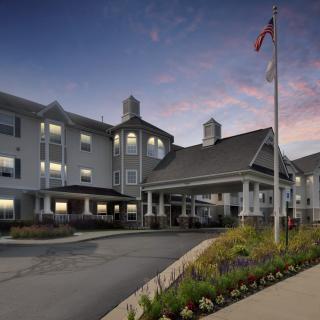
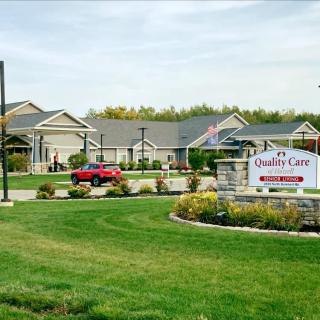
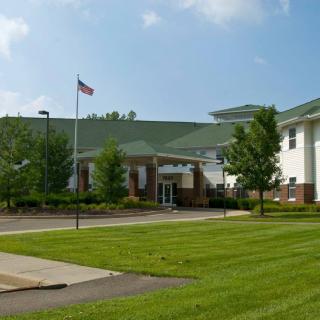
The Legacy at Howell

1550 Byron Road, Howell, MI 48855

For more information about senior living options: (844) 490-3973

4.1 from 41 reviews
5 stars
30
4 stars
1
3 stars
2
2 stars
0
1 stars
8

Assisted Living

The Legacy at Howell Costs & Pricing

The Legacy at Howell offers a competitive pricing structure for its one-bedroom accommodations, with a monthly cost of $5,250. This rate is notably higher than the average costs in Livingston County, which stand at $4,124, and significantly above the state average of $3,384. While The Legacy's pricing reflects an investment in high-quality amenities and care services tailored to residents' needs, it's essential for prospective residents and their families to weigh these benefits against local market trends. Ultimately, this facility positions itself as a premium choice within the senior living landscape of Michigan.

Floor plansThe Legacy at HowellLivingston CountyMichigan
1 Bedroom$5,250$4,124$3,384

What level of care are you interested in?

Assisted Living

Memory Care

Independent Living

Skilled Nursing Facility

Continuing Care Retirement Community (CCRC)CCRC

Other


Request a tour at The Legacy at Howell

    Overall Review of The Legacy at Howell

    Pros

    • pro The Willows is a beautiful community that can help accommodate most care needs.
    • pro From assisted living to memory care and short-term rehab, The Willows provides a true continuum of care.
    • pro The Willows of Howell is a nice place where people are friendly and the care is very good.
    • pro The campus at The Willows is absolutely beautiful, and the staff and residents appear pleasant and happy.
    • pro Nurses and aides at The Willows are outstanding, and the dining service is exceptional.
    • pro The facility is immaculate, and the staff are compassionate and dedicated.
    • pro The Willows offers fine dining and a resort-like atmosphere for residents.
    • pro The Willows is described as a place with caring, dedicated staff and high-quality overall care.

    Cons

    • pro A reviewer claimed the physical therapy department is dishonest.
    • pro A reviewer said activities need to be more.
    • pro A reviewer warned not to bring loved ones there, alleging residents have no rights and that a relative was denied the right to speak with an attorney.
    • pro A reviewer questioned the integrity of management and warned to watch one's back.
    • pro A reviewer reported that no one answers the phone in the evening and callers are left on hold for long periods.
    • pro A reviewer described an incident of alleged staff abuse requiring police involvement.
    • pro A reviewer said staff allegedly lied about helping with exercises, indicating communication problems.

    Review

    The Willows of Howell emerges in these reflections as a place that many families describe as a beacon of compassionate care and a true continuum of services. Across reviews, the facility is praised for its beauty, its clean and inviting environment, and most importantly, the people who work there. Partners in care, such as Residential Palliative & Hospice, speak highly of the collaboration and the way staff from different disciplines come together to support residents who need higher levels of care, including hospice and palliative services. The tone is consistently warm and grateful when talking about the team's everyday generosity, attentiveness, and willingness to go the extra mile for residents and their families. The Willows is portrayed not merely as a place to stay, but as a community where the care philosophy centers on kindness, respect, and a patient-centered approach.

    Several accounts center on end-of-life care and the impression made on families by the social fabric of the place. One reviewer recounts that her mother spent the last months of life at The Willows after she could no longer live independently, and she expresses gratitude for the care provided. Each caregiver is said to have made a special effort to get to know her mother and to show her kindness, and the reviewer remains forever grateful. In other words, the facility is seen by families as meeting the deepest needs of residents at a vulnerable time, with staff who are not only clinically competent but also emotionally present and respectful of the residents' dignity and preferences.

    The quality of rehabilitation and daily care is another recurring theme. In another heartfelt note, a family member describes a level of care that feels far beyond what they had previously witnessed. They highlight dedicated speech and physical therapy, high-protein meals, and meticulous attention to every need a person could have. The sense of being in a "special place" is reinforced by comments about therapists who are compassionate, skilled, and collaborative with families. A common thread through these experiences is the belief that the Willows can deliver robust rehabilitative care - whether someone is recovering from surgery, managing a hospital transfer, or working toward a return home - and that this care is delivered with genuine warmth and a sense of partnership with loved ones.

    There are, however, mixed notes within the feedback. Some reviewers feel that opportunities exist for improvement, particularly around activities for residents, and around administrative and logistical aspects of care. One comment simply states that activities need to be more, pointing to a desire for more structured engagement and enrichment for residents. Others critique the administrative side: coordinating insurance benefits, dealing with Medicare, and providing information that would help families navigate appeals. There are also practical frustrations about communication, with multiple references to hearing or calling problems, long holds, and voicemail that can feel unhelpful. One reviewer even suggests that the phone system and greeting - whose content centers on COVID-19 - feels outdated after several years and could use an update. Taken together, these remarks acknowledge strengths in clinical care while urging improvements in communication and administrative support.

    Despite frustrations, the overall impression across many comments remains one of admiration for theWillows as a community that can accommodate a broad spectrum of care needs - from assisted living to memory care to short-term rehab. The facility is repeatedly described as beautiful, with a campus that feels welcoming and well-maintained. The breadth of services - ranging from admissions and social work to nursing, therapy, dining, transportation, activities, and even a hair salon - paints a picture of a well-orchestrated operation designed to minimize burden on families and maximize comfort and recovery for residents. Several reviews emphasize that the Willows offers a sense of "resort living" - room service-like dining options, around-the-clock nourishment, and a level of attention that makes residents feel valued and engaged. In these voices, the staff's genuine care is not just about medical needs but about creating a humane, person-centered experience.

    There are also deeply personal anecdotes that demonstrate the warmth and human connection at the Willows. One reviewer notes being "always welcome with open arms" and describes smiles, delicious food, and entertaining activities as a staple of daily life. Another speaks to how the staff go out of their way to make a loved one comfortable, highlighting the meaningful engagement and the sense of home that staff members foster. Family members recount participating in events like monthly brunches, feeling encouraged to visit and participate, and appreciating the collaborative approach that makes families feel included rather than sidelined. The consistent thread here is the conviction that the Willows' culture - rooted in kindness, attentiveness, and a genuine desire to support residents and families - creates a positive, uplifting environment.

    Nevertheless, not every experience is without conflict. A few reviewers flag serious concerns that demand attention. One reviewer raised concerns about rights and advocacy, suggesting that loved ones can feel their voices are diminished or dismissed. There are stark statements about communication barriers, with claims that attempts to reach staff in the evenings can be fruitless, and that urgent questions go unanswered for extended periods. In one particularly pointed remark, a reviewer claims someone experienced mistreatment and even requested external intervention. Another reviewer warns to exercise caution and to "watch your back," reflecting a distrust that can arise when families feel unheard or when there are perceived gaps in care coordination. These voices underscore the reality that, in large care settings, experiences can vary, and concerns about safety, integrity, and responsiveness deserve careful attention and ongoing improvement.

    On balance, a prominent review from a resident or former patient named Eric D. stands out for its exuberant endorsement. He describes the Willows as a facility that exceeded expectations in multiple dimensions: the property's beauty, the range and quality of staff across departments, and the remarkable rehabilitation program. He credits therapy, nutrition, and the overall care package for helping him recover rapidly and prepare for a successful transition home. The letter attributes his positive outcome to professional rehabilitation, supportive counselors, and a sense of spiritual gratitude, and he closes with an unequivocal recommendation and a five-star rating. This narrative captures the aspirational ideal many families hold: a facility that not only treats medical needs but also supports the whole person - physically, emotionally, and socially - while facilitating a hopeful pathway back to home life.

    In sum, the Willows of Howell is portrayed as a place of powerful, compassionate care where many residents thrive under a holistic, multi-disciplinary model. The stories celebrate extraordinary kindness, hands-on therapy, and the emotional warmth families feel from staff who communicate with empathy and integrity. They also acknowledge legitimate areas for growth - especially around administrative coordination, timely communication, activity programming, and ensuring consistent advocacy for residents' rights. Taken together, the collection of experiences paints a complex, authentic portrait: a beautiful and capable community that shines in many aspects of care, while continuing to listen, adjust, and improve in areas where families and residents feel gaps exist.

    Features

    Housing

    • 35 resident community capacity 35 resident community capacity

    Types of Care

    • Assisted Living Assisted LivingAssisted living facilities provide crucial support and care for seniors who may need help with daily tasks such as medication management, bathing, and meal preparation. These communities offer a safe and comfortable environment where seniors can maintain their independence while receiving the assistance they need to thrive in their golden years.

    Amenities

    • Beauty salon Beauty salonBeauty salons are important for seniors because they provide a space for them to feel pampered, socialize, and maintain their personal grooming and hygiene. Regular visits to a beauty salon can help boost seniors' self-esteem and overall well-being.
    • Cable or satellite TV Cable or satellite TVCable or satellite TV is important for seniors because it provides entertainment, news, and companionship, helping to combat loneliness and boredom. It also offers a wide range of programming options tailored to different interests and preferences.
    • Dining room Dining roomDining rooms are important for seniors as they provide a space for socialization, connection, and nutritious meals. They offer opportunities for residents to bond over shared meals, foster a sense of community, and promote healthy eating habits. Dining rooms also ensure that seniors have access to well-balanced meals tailored to their dietary needs and preferences.
    • Fully furnished Fully furnishedFully furnished senior living communities are important for seniors because they provide convenience, comfort, and a hassle-free moving experience. Seniors can easily settle into their new living space without the stress of having to buy and move furniture. This allows them to focus on enjoying their new home and community.
    • Garden GardenGardens are important for seniors as they provide a peaceful and therapeutic environment for relaxation, physical activity, and socialization. Being in nature has been shown to reduce stress, improve mood, and promote overall well-being. Gardens also offer opportunities for seniors to engage in gardening activities, which can improve mobility, flexibility, and cognitive function. Additionally, gardens create a sense of community and connection with others who share a passion for plants and outdoor spaces.
    • Housekeeping services Housekeeping servicesHousekeeping services are important for seniors because they help maintain a clean and safe living environment, promote independence, and reduce the risk of accidents or illnesses. Additionally, having assistance with household chores can alleviate physical strain and allow seniors to focus on other aspects of their well-being.
    • Kitchenette KitchenetteKitchenettes are important for seniors living in senior living communities because they provide the convenience and independence of being able to prepare simple meals and snacks in the comfort of their own living space. This can help promote a sense of autonomy and well-being for seniors, allowing them to maintain some level of control over their dietary choices and daily routines.
    • Move-in coordination Move-in coordinationMove-in coordination is important for seniors because it helps ease the transition into their new living environment. It ensures that all logistics, such as packing, organizing movers, and setting up utilities are taken care of, allowing seniors to focus on settling in and adjusting to their new home. Having a smooth move-in process can alleviate stress and anxiety, making the transition smoother and more enjoyable for seniors.
    • Outdoor space Outdoor spaceOutdoor spaces are important for seniors as they provide opportunities for physical activity, social interaction, exposure to natural light and fresh air, and a sense of connection to nature. Having access to outdoor spaces can improve overall well-being and quality of life for older adults living in senior communities.
    • Telephone TelephoneTelephones are important for seniors as they provide a lifeline for communication with loved ones, emergency services, and healthcare providers. They offer a sense of security and independence, enabling seniors to stay connected and access assistance when needed.
    • Wi-Fi/high-speed internet available Wi-Fi/high-speed internet availableWi-Fi/high-speed internet is important for seniors to stay connected with loved ones, access online resources, and participate in virtual activities to combat feelings of loneliness and isolation. It also allows them to easily manage healthcare needs, access entertainment, and engage in lifelong learning opportunities.

    Care Services

    • 24-hour call system 24-hour call system24-hour call systems are important for seniors because they provide peace of mind and immediate assistance in case of emergencies. This technology ensures that help is always available, promoting safety and security for elderly individuals living alone or in assisted living facilities.
    • 24-hour supervision 24-hour supervision24-hour supervision is important for seniors to ensure their safety, well-being, and access to immediate assistance in case of emergencies or health issues. This constant support provides peace of mind for both seniors and their loved ones, allowing them to age in place with dignity and security.
    • Activities of daily living assistance Activities of daily living assistanceActivities of daily living assistance are important for seniors because they provide essential support with tasks such as eating, bathing, dressing, and mobility. This assistance helps seniors maintain their independence, dignity, and overall quality of life as they age.
    • Assistance with bathing Assistance with bathingAssistance with bathing is crucial for seniors as it helps maintain personal hygiene, prevents infections, and ensures their overall well-being and comfort. It also provides a sense of dignity and independence for seniors who may struggle with this task on their own.
    • Assistance with dressing Assistance with dressingAssistance with dressing is important for seniors because it helps maintain their independence, promotes personal hygiene, prevents accidents and injuries, and improves overall quality of life. This service ensures that seniors can continue to dress comfortably and confidently, despite any physical limitations they may have.
    • Assistance with transfers Assistance with transfersAssistance with transfers is crucial for seniors as it helps prevent falls and injuries, maintains their independence, and ensures they can safely navigate their living environment. It also provides peace of mind for both seniors and their loved ones.
    • Coordination with health care providers Coordination with health care providersCoordination with health care providers is crucial for seniors to ensure proper medical care, medication management, and overall well-being. This collaboration helps prevent overlapping treatments, track progress more effectively, and provide comprehensive support tailored to individual needs.
    • Diabetes diet Diabetes dietA diabetes diet is crucial for seniors as it helps manage blood sugar levels, reduce risks of complications, and improve overall health and well-being. By following a balanced and nutritious diet tailored to their specific needs, seniors can better control their diabetes and enhance their quality of life.
    • Meal preparation and service Meal preparation and serviceMeal preparation and service are crucial for seniors as they may have limited mobility or energy to cook nutritious meals. Having access to healthy and convenient food options can ensure they are getting the proper nutrition needed to maintain their overall health and well-being.
    • Medication management Medication managementMedication management is crucial for seniors to ensure they are taking the right medications at the correct dosages and times. This helps prevent adverse drug interactions, reduces the risk of medication errors, and promotes overall health and well-being. Proactive management also allows for adjustments as needed based on changing health conditions or new prescriptions.
    • Mental wellness program Mental wellness programMental wellness programs are essential for seniors as they promote cognitive stimulation, emotional support, and social engagement. These programs help prevent isolation, depression, and cognitive decline, ultimately enhancing the overall quality of life for older adults.
    • Special dietary restrictions Special dietary restrictionsSpecial dietary restrictions are important for seniors because age-related changes in metabolism and health conditions can make it difficult for their bodies to process certain foods. By following a diet tailored to their specific needs, seniors can maintain their overall health and well-being, manage chronic conditions, and reduce the risk of complications such as malnutrition or food interactions with medications.
    • Transportation arrangement (medical) Transportation arrangement (medical)Transportation arrangements for medical purposes are essential for seniors as they may have difficulty driving themselves to appointments or accessing public transportation. Having reliable and safe transportation options ensures that seniors can receive timely medical care and maintain their health and well-being.
    • Transportation to doctors appointments Transportation to doctors appointmentsTransportation to doctors' appointments is crucial for seniors as it ensures they have access to necessary medical care and support for their health needs. Without reliable transportation, seniors may struggle to attend important appointments, leading to potential delays in treatment and health complications. Providing transportation services helps seniors maintain their overall well-being and quality of life.

    Dining

    • Diabetes diet Diabetes dietA diabetes diet is crucial for seniors as it helps manage blood sugar levels, reduce risks of complications, and improve overall health and well-being. By following a balanced and nutritious diet tailored to their specific needs, seniors can better control their diabetes and enhance their quality of life.
    • Special dietary restrictions Special dietary restrictionsSpecial dietary restrictions are important for seniors because age-related changes in metabolism and health conditions can make it difficult for their bodies to process certain foods. By following a diet tailored to their specific needs, seniors can maintain their overall health and well-being, manage chronic conditions, and reduce the risk of complications such as malnutrition or food interactions with medications.

    Activities

    • Community-sponsored activities Community-sponsored activitiesCommunity-sponsored activities are important for seniors as they provide opportunities for social interaction, mental stimulation, and physical activity. These activities can help improve overall well-being, combat loneliness and isolation, and promote a sense of belonging and purpose among older adults.
    • Resident-run activities Resident-run activitiesResident-run activities are important for seniors as they encourage social interaction, creativity, and a sense of autonomy. These activities empower seniors to stay engaged and active in their community while fostering meaningful connections with their peers.
    • Scheduled daily activities Scheduled daily activitiesScheduled daily activities are important for seniors because they provide structure, socialization, mental stimulation, and physical activity. Engaging in regular activities can improve overall well-being and quality of life for seniors living in a community setting.

    Description

    The Legacy at Howell in Howell, MI is an assisted living community that offers a wide range of amenities and care services to cater to the needs of seniors. Residents can enjoy the convenience of cable or satellite TV, fully furnished accommodations, and housekeeping services. Each unit also includes a kitchenette for those who prefer to prepare their own meals.

    The community provides 24-hour supervision and assistance with activities of daily living, such as bathing, dressing, and transfers. Staff also coordinate with healthcare providers to ensure residents receive proper medical care. Special dietary restrictions are accommodated with diabetes diets and meal preparation services.

    Residents have access to a variety of activities designed to promote mental wellness and social interaction. These include both resident-run activities as well as scheduled daily activities planned by staff. The community is conveniently located near several cafes, parks, pharmacies, restaurants, places of worship, physicians' offices, and hospitals.

    Overall, The Legacy at Howell offers a comfortable and supportive living environment for seniors seeking assistance with daily tasks while maintaining their independence.

    Nearby Places of Interest

    Physicians

    • Dr Piro (0.4 miles)
    • Gregory F Piro (0.4 miles)
    • Wandzel Richard DO (0.4 miles)
    • University of Michigan Health System (0.5 miles)
    • Demeester, Susanne Dr - Emergency Physicians Medical Group (0.5 miles)
    • Mccurdy, Robert Dr - Emergency Physicians Medical Group (0.5 miles)
    • BlueSky Health (0.6 miles)

    Hospitals

    • St. Joseph Mercy Livin (0.5 miles)
    • Saint Joseph Mercy Health System (8 miles)
    • St Joseph Mercy Hospital (8 miles)
    • Brighton Health Center (9.2 miles)
    • Brighton Medsport (9.2 miles)

    Pharmacies

    • Kroger Pharmacy (0.7 miles)
    • Rite Aid (1.8 miles)
    • CVS Pharmacy (2.3 miles)
    • Walgreens (2.4 miles)
    • CVS Pharmacy (3.3 miles)
    • Walmart Pharmacy (4.1 miles)
    • Walmart Pharmacy (7.2 miles)

    Restaurants

    • Subway (0.7 miles)
    • McDonald's (1.1 miles)
    • 2FOG's Pub (1.2 miles)
    • Cleary's Pub (1.2 miles)
    • Tomato Brothers (1.7 miles)
    • Wendy's (1.8 miles)
    • Taco Bell (1.8 miles)

    Cafes

    • Biggby Coffee (0.8 miles)
    • Tim Hortons (3.4 miles)
    • Panera Bread (4.2 miles)
    • Tim Hortons (4.4 miles)
    • Biggby Coffee (4.9 miles)
    • Panera Bread (9.5 miles)
    • Starbucks (9.5 miles)

    Parks

    • Pineway Trail (1.9 miles)
    • Howell City Park (1.9 miles)

    Places of Worship

    • Crossroads Apostolic Church (2.7 miles)
    • Hidden Springs Church (5.5 miles)
    • Conway Free Methodist Church (8.7 miles)

    Transportation

    • CSX (7.1 miles)
    • Enterprise Rent-A-Car (7.5 miles)

    Theaters

    • MJR Brighton Towne Square Digital Cinema 20 (8.9 miles)

    Frequently Asked Questions

    How much does it cost to live at The Legacy at Howell in Howell, MI?
    Where is The Legacy at Howell?

    Nearby Communities

    Related Resources

    • senior move managementSenior Transition Services: Understanding Their Role, Cost, and Importance
      Senior move management services assist older adults in the relocation process by providing emotional support and organizational help, addressing unique challenges like downsizing and moving from long-term homes. These specialists collaborate with real estate agents and manage logistics, making the transition smoother for seniors and their families.

    • independent living vs assisted livingExploring the Path to Senior Living: A Comprehensive Look at Independent Living and Assisted Living

      The article examines senior housing options, detailing the distinctions between independent living and assisted living, along with the emerging "independent assisted living" model that blends both approaches. It highlights the importance of assessing individual needs, preferences, and financial factors in making informed decisions about suitable living arrangements for seniors.

    • is assisted living tax deductibleIs Assisted Living Deductible on Your Taxes? Understanding the Complexities of Assisted Living Expenses and Deductions

      The deductibility of assisted living expenses on taxes hinges on factors like the individual's medical condition and service nature, typically requiring the resident to be "chronically ill" per IRS definitions. Taxpayers may deduct eligible medical expenses related to personal care services but generally not rent unless primarily for medical care, and they should maintain thorough documentation to support claims while considering itemizing versus standard deductions.


    Get Pricing Ask A Question Schedule A Tour Contact Senior Advisor