
1288 Essay Lane, Holly, MI 48442
To contact a resident: (248) 343-5080
For more information about senior living options: (866) 208-4318
Carter's Country Home The White House Costs & Pricing
Carter's Country Home The White House offers competitive pricing for its accommodation options compared to the average costs in Oakland County and the broader Michigan state. With semi-private rooms priced at $1,200 per month, residents benefit from significant savings when compared to the local average of approximately $3,204. Similarly, private room rates at Carter's Country Home stand at $1,500, which is substantially below the county's average cost of around $3,708. This favorable pricing not only enhances affordability for potential residents but also reflects the commitment of Carter's Country Home to provide quality care without compromising on essential services or amenities.
| Floor plans | Carter's Country Home The White House | Oakland County | Michigan |
|---|---|---|---|
| Semi-Private | $1,200 | $3,204 | $3,189 |
| Private | $1,500 | $3,708 | $3,674 |
Senior living communities with a similar price nearby
-
from -$203 / mo

Marian Oakland
$997 to $2,227 / month21.7 miles away -
from -$101 / mo
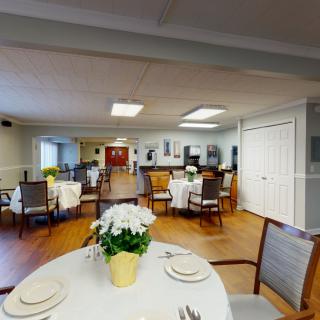
Imperial Senior Suites
$1,099 to $1,399 / month22.7 miles away -
from -$201 / mo
Rosehaven Manor
$999 to $1,390 / month20.4 miles away -
from -$60 / mo
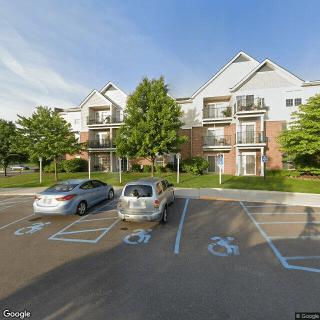
Meadowbrook Commons
$1,140 / month17.9 miles away -
from -$50 / mo

Plymouth Park Apartments
$1,150 to $1,300 / month24.3 miles away
Overall Review of Carter's Country Home The White House
Pros
 They are family-owned and operate 24 assisted living homes.
- The homes are organized in cohesive groups of four, reflecting careful planning.
- Each home accommodates 3-6 residents in a welcoming, co-ed setting.
Review
Carter's Country Home The White House in Holly is best suited for families seeking a deliberately small, home‑like assisted living option where residents live in intimate, low‑density units and receive steady, personal attention from a family‑operated operation. This community model appeals to those who value continuity, predictable routines, and a sense of “mom-and-pop care” over the scale and polish of larger corporate campuses. Residents who do not require intensive medical interventions, frequent skilled nursing, or expansive programming will likely feel comfortable with the pace and ambiance of life here.
Those who should consider alternatives are residents with higher care needs or expectations for a broad menu of services. If frequent physician visits, complex wound care, infusion therapy, regular rehabilitation, or around‑the‑clock nursing coverage are essential, this setting may prove too lean. Likewise, families looking for wide‑ranging activities, robust transportation programs, or highly standardized, centralized operations may find the variation between individual homes within the same family network less reassuring. In short, anything demanding a larger clinical footprint or uniform, corporate-grade amenities deserves a careful side‑by‑side comparison.
The core advantages of this family‑run model, intimacy, easy oversight, and a strong sense of belonging, tend to offset some of the inherent trade‑offs. With 24 homes organized into small clusters of 3–6 residents, care teams can be highly attentive, and residents are unlikely to feel lost in a crowd. The row‑of‑four‑home arrangement fosters a neighborhood vibe where caregivers know residents’ preferences, routines, and histories, often enabling quicker problem resolution and a smoother daily rhythm. Family involvement can translate into flexible, responsive adjustments to schedules, meals, and activities that larger facilities sometimes struggle to deliver.
However, the smaller scale also concentrates risk in a few hands. Staffing depth matters, particularly for night shifts and medical support, and there is a reasonable expectation that resources across each home may vary. Prospective residents should assess whether there is consistent access to licensed professionals, medication management, and on‑site care coordination that aligns with the specific needs of the individual. The program may lean toward homelike warmth rather than a wide slate of clinical or rehabilitative services, so the key question becomes whether that warmth is paired with reliable, timely access to higher‑level care when it is truly needed.
Practically, families should verify several critical elements before committing: staffing ratios and on‑site credentials, the existence of a clear care plan process, how emergencies are handled and transferred to hospital partners, and what is included in the monthly rate versus additional charges. Meals, housekeeping, transportation, and activity offerings should be reviewed to ensure they match the resident’s preferences and energy level. Given the family ownership model, it is important to confirm consistent communication channels, accountability standards, and a transparent approach to any repairs, scheduling changes, or care plan revisions across the homes.
In the end, Carter's Country Home The White House presents a compelling option for adults who prize a quiet, intimate setting with a familial touch and are comfortable with a smaller clinical footprint. For residents who require more intensive medical services, a broader array of structured programs, or uniform standards across a larger campus, it would be prudent to explore alternatives that deliver those capabilities at scale. The right match hinges on aligning care needs with the depth of clinical support, the desired social environment, and the level of personalized oversight that a family‑run model uniquely delivers.
 Board and Care Home
 Private
 Bishop (19 miles away)
 Diabetic care

 Comprehensive Approaches for Arthritis: A Detailed Guide to Symptoms, Causes, and Care
 Comprehensive Insights and Practical Strategies to Help Older Adults Avoid Falls
 6 Crucial Ways an Elder Law Attorney Assists Families