
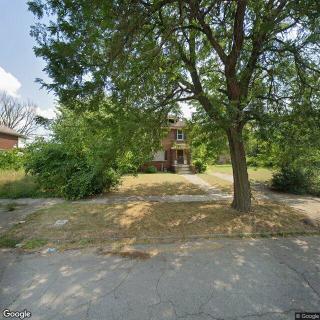
163 Tennyson, Highland Park, MI 48203
For more information about senior living options: (866) 208-4318
Nehemiah House Costs & Pricing
At Nehemiah House, the monthly rental costs present a compelling value compared to both Wayne County and broader state averages in Michigan. For instance, a studio apartment at Nehemiah House is priced at $2,395, significantly lower than the county average of $3,495 and the state average of $3,824. Similarly, the one-bedroom units are available for $2,795 versus the county's $3,210 and the state's $3,384. Even with two-bedroom accommodations priced at $4,045 - slightly higher than Wayne County's average of $3,452 and Michigan's average of $3,523 - Nehemiah House offers an environment that prioritizes community and support. This pricing strategy underscores its commitment to providing accessible housing options while maintaining quality living standards for its residents.
| Floor plans | Nehemiah House | Wayne County | Michigan |
|---|---|---|---|
| Studio | $2,395 | $3,495 | $3,824 |
| 1 Bedroom | $2,795 | $3,210 | $3,384 |
| 2 Bedrooms | $4,045 | $3,452 | $3,523 |
Assisted Living communities with a similar price nearby
-
from -$200 / mo

Simply Beautiful Adult Foster Care Homes
$2,195 to $4,100 / month6.5 miles away -
from +$205 / mo
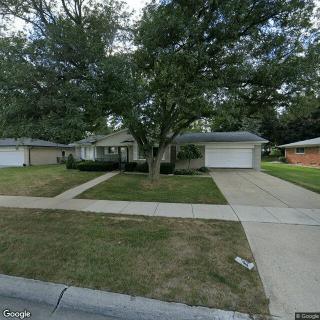
Angelic Foster Care
$2,600 to $3,380 / month10.6 miles away -
from +$300 / mo

Atria Kinghaven
$2,695 to $4,595 / month17.7 miles away -
from -$120 / mo
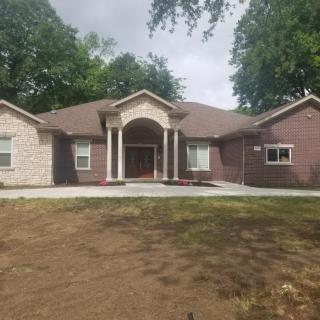
Pleasant Valley Family Care
$2,275 to $7,000 / month14.4 miles away -
About the same
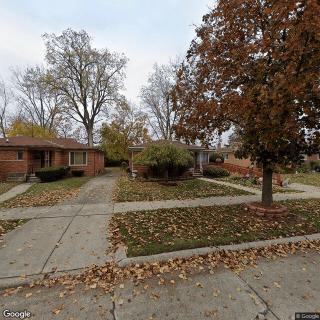
Unlimited Care
$2,460 to $2,500 / month6.7 miles away
Overall Review of Nehemiah House
Pros
 The counselors are amazing.
- The staff is remarkable.
- Miss Pembrook is kind and helpful.
- Naomi's Nest is highly recommended.
Cons
 Rats were running through the building.
- The staff were very rude and unorganized.
- No one would recommend it.
Review
Best for: Nehemiah House in Highland Park is best suited for adults pursuing structured recovery with a strong emphasis on counseling and outpatient support. The strongest selling point is the therapeutic relationship: life-changing AOD skills are highlighted by counselors who are described as remarkable, with Miss Pembrook singled out as consistently kind and helpful. That combination creates a practical, relationship-centered atmosphere where progress hinges on meaningful guidance and accessible staff. For families seeking a program that prioritizes personalized counseling over glossy amenities, this setting offers a clear path: steady support, frequent contact, and a focus on developing concrete skills to navigate early recovery.
Consider alternatives for: Those who cannot tolerate safety or organizational lapses should seriously weigh other options. One review flags rats running through the building, while another denounces staff as rude and unorganized. These red flags touch core needs: safety, dignity, and reliable, predictable operations. If a clean, orderly environment and professional administration are non-negotiables, especially for individuals who require consistent housekeeping, timely communication, and transparent problem resolution, then exploring facilities with stronger pest-control histories and more polished client services is prudent. In short, the environment matters as much as the therapy, and this combination may push some families toward alternatives.
Balancing the positives against the negatives: The programā€™s core strength lies in skilled counselors and supportive staff who can deliver practical, life-improving AOD skills. For clients who place a premium on therapeutic rapport and consistent encouragement, these advantages can propel progress even when logistics are imperfect. The personal warmth and responsiveness attributed to Miss Pembrook and the broader staff provide a stabilizing anchor during a challenging recovery path. When the therapeutic relationship is reliable and genuine, it can offset some operational rough edges. However, the benefits may be insufficient if questions about safety and reliability persist week after week, dampening trust and engagement.
Key drawbacks to weigh: The most consequential concerns revolve around safety, hygiene, and staff conduct. Reports of rats in the building raise legitimate health concerns and suggest deeper maintenance issues that could erode confidence in daily living conditions. Coupled with perceptions of rude and unorganized staff, these factors undermine consistent communication, accountability, and timely resolution of problems. In recovery settings, such flaws can jeopardize engagement, undermine motivation, and complicate aftercare planning. The overall picture, reflected in a modest rating from a very small sample, signals that while there is real value here, the risk of persistent operational instability cannot be ignored.
Decision-making criteria for families: Before deciding, insist on a direct, in-person assessment of cleanliness, safety controls, and maintenance standards. Demand candid conversations with counselors and front-desk personnel to gauge warmth, responsiveness, and reliability. Request the current pest-control history, incident logs, and a concrete plan for preventing future outbreaks. Probe staff training, turnover, supervision, and escalation procedures to determine whether organizational lapses are episodic or systemic. Confirm the availability and integration of outpatient services with a clear, actionable aftercare plan. Gather references from current or recent participants to verify consistency in daily experience. These steps translate counseling strength into lasting, practical outcomes.
Bottom line and next steps: Nehemiah House offers a compelling, relationship-driven counseling environment for recovery, but the environment must prove itself in cleanliness and operational reliability. For families where a pristine, well-run setting and steady communication are non-negotiables, it is wise to compare other options with stronger track records in these areas. If the decision is to move forward, arrange a tour, demand direct interactions with key staff and residents, and press for transparent answers on pest control and day-to-day management. Pair the visit with a concrete aftercare plan to ensure that the counseling strengths translate into durable independence and ongoing support after completion.
 4 resident community capacity
 Assisted Living
 Cable or satellite TV
 Dining room
 Fully furnished
 Garden
 Housekeeping services
 Move-in coordination
 Outdoor space
 Telephone
 Wi-Fi/high-speed internet available
 Detroit Metropolitan-Wayne County (19 miles away)
 24-hour supervision
 Activities of daily living assistance
 Assistance with bathing
 Assistance with dressing
 Assistance with transfers
 Diabetes diet
 Meal preparation and service
 Medication management
 Special dietary restrictions
 Transportation arrangement (medical)
 Transportation to doctors appointments


 Comprehensive Insights into Activities of Daily Living (ADLs) and Their Assessment
 Medicare Coverage for Assisted Living: An In-Depth Exploration
 Choosing the Right Senior Care: A Detailed Exploration of Assisted Living and Nursing Homes