
2900 Kellems Drive, Hastings, MI 49058
For more information about senior living options: (866) 208-4318
Cornerstone Living Center Costs & Pricing
At Cornerstone Living Center, the monthly costs for various room types reflect a premium level of care and amenities provided. A private room is priced at $3,995, which is notably higher than Barry County's average of $2,398 and slightly above Michigan's statewide average of $3,675. For those seeking a studio apartment, the cost rises to $4,695, again exceeding both local and state averages; Barry County averages $3,299 while Michigan's statewide rate is $3,824. The most significant difference can be seen in the 1-bedroom option, where Cornerstone Living Center charges $6,995 - almost 47% above Barry County's rate of $4,739 and significantly higher than Michigan's typical cost of $3,384. These figures suggest that while residents at Cornerstone may face higher expenses compared to their counterparts in both the county and state levels, they are likely investing in enhanced services or amenities that justify these costs.
| Floor plans | Cornerstone Living Center | Barry County | Michigan |
|---|---|---|---|
| Private | $3,995 | $2,398 | $3,674 |
| Studio | $4,695 | $3,299 | $3,824 |
| 1 Bedroom | $6,995 | $4,739 | $3,384 |
Assisted Living communities with a similar price nearby
-
from +$605 / mo
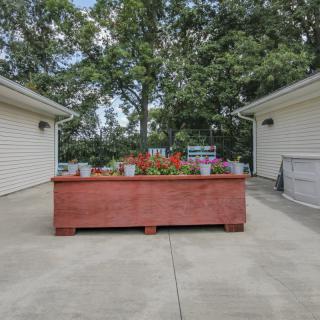
Woodlawn Meadows Assisted Living & Memory Care
$4,600 to $5,025 / month4.4 miles away -
About the same
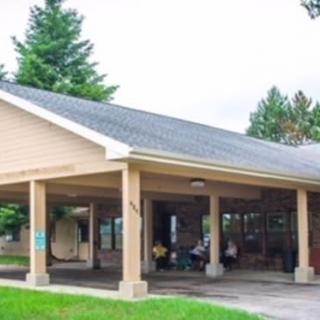
Stanford Lodge
$4,000 / month24.4 miles away -
from -$649 / mo
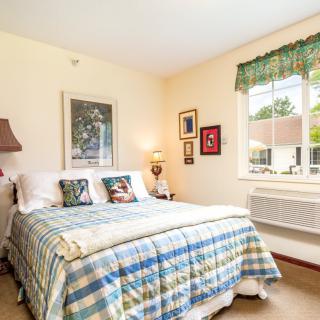
Bickford of Battle Creek
$3,346 to $3,954 / month24.9 miles away -
from +$160 / mo
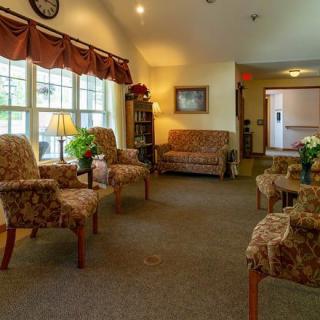
Brookdale Battle Creek
$4,155 to $5,395 / month24.7 miles away -
from -$595 / mo
Green Acres of Lowell
$3,400 / month23.2 miles away
Overall Review of Cornerstone Living Center
Pros
 They are really respectful to residents.
- They treat residents like their own.
- They ensure residents receive the best care.
- Residents are pampered with excellent care.
Review
Cornerstone Living Center in Hastings, MI is best suited for families that prize warmth, respect, and a highly personalized, home-like approach to care. The core appeal is clear: residents are treated like family, with staff who convey dignity, attentiveness, and a sense of indulgence in daily routines. For seniors who want to feel spoiled in the sense of consistent attention, courtesy, and ongoing reassurance that someone is looking out for their comfort, this community presents a compelling match. The ethos implied by the standout praise centers on dignity-driven care where residents are not simply supervised but genuinely cared for as individuals, with a focus on making everyday living feel valued and enjoyable.
People who may want to consider alternatives include those with more demanding clinical needs or specialized cognitive care requirements. If the plan calls for robust medical supervision, a wide array of therapy options, or dementia-specific programming tailored to different stages of memory loss, a larger facility or a community with dedicated memory care lines may be preferable. Additionally, if pricing transparency or a broader continuum of care is a critical criterion, prospective families will want to compare pricing structures, optional services, and potential rate escalators across alternatives. The limited public feedback available for this particular community also means that families should verify consistency of care and staffing over time before making a commitment.
The strongest pros here revolve around the quality of daily interactions and the perceived respect shown to residents. When staff demonstrate genuine regard for individuals, taking time with routines, listening to preferences, and ensuring comfort, the experience tends to translate into steadier mood, lower anxiety, and a sense of security for both residents and their families. The apparent commitment to “best care” and the notion of spoiling residents signal a culture of attentiveness that can offset concerns about smaller-scale operations or fewer specialized programs. For families prioritizing emotional wellbeing, reliable companionship, and a consistent, person-centered approach, these attributes often outweigh the absence of a broader menu of clinical services.
Those same strengths offset typical drawbacks in meaningful ways, but not perfectly. A smaller center with a strong emphasis on respectful care can struggle to offer the depth of medical oversight found in larger campuses, which means transitions or changes in health status may require external coordination. Yet the same intimate environment that limits scale can enhance continuity of care: residents see familiar faces, staff turnover tends to be lower, and family members receive the reassurance that caregivers know the resident’s history and preferences. The risk of a limited activity slate or fewer on-site specialists is real, but the trade-off is a consistent, person-first rhythm that many families find decisive when choosing a long-term home.
From a decision-making perspective, several practical steps anchor a thorough evaluation. Scheduling a live visit is essential to observe how staff interact with residents, how meals and daily routines unfold, and whether the environment genuinely reflects the “family-like” atmosphere described in testimonials. Inquire about individual care plans, how changes in health status are managed, and what pathways exist for accessing higher levels of medical or therapeutic support if needed. Ask about staff ratios during different shifts, any specialized training for dementia or dementia-like symptoms, and the process for updating families on daily progress. Finally, obtain a clear understanding of fees, caps on services, and any anticipated increases, so a long-term plan can be forecast with confidence.
The bottom line is practical and decisive: Cornerstone Living Center is a strong fit for families seeking a respectful, high-touch, resident-centric environment where daily care feels personal and attentively delivered. The standout attribute, staff members who treat residents with genuine care and who strive to make each day feel comfortable and even indulgent, can be a decisive advantage for seniors who value trust, consistency, and a warm home atmosphere. However, for families prioritizing advanced medical oversight, dementia-specific programming across multiple levels, or broad price transparency, it is prudent to compare against alternatives that specialize in those needs. In the right match, Cornerstone delivers peace of mind through dependable, right-sized care that honors the everyday life of its residents.
 12 resident community capacity
 Assisted Living
 Board and Care Home
 Cable or satellite TV
 Dining room
 Fully furnished
 Garden
 Housekeeping services
 Move-in coordination
 Outdoor space
 Telephone
 Wi-Fi/high-speed internet available
 Kent County International (24 miles away)
 24-hour supervision
 Activities of daily living assistance
 Assistance with bathing
 Assistance with dressing
 Assistance with transfers
 Diabetes diet
 Meal preparation and service
 Medication management
 Special dietary restrictions
 Transportation arrangement (medical)
 Transportation to doctors appointments

 Assisted Living Expenses and Long-Term Care Insurance: A Comprehensive Exploration
 Securing Financial Support for Assisted Living: A Comprehensive Overview
 Social Security Benefits and Assisted Living: Navigating Options Across the U.S.