
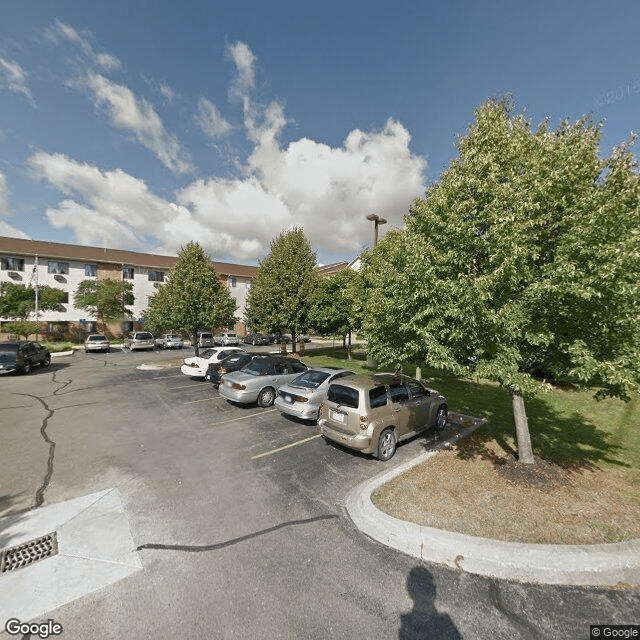
26700 Crocker Blvd., Harrison Township, MI 48045
To contact a resident: (586) 465-4540
For more information about senior living options: (866) 208-4318
Overall Review of Ahepa 371 Apartments
Pros
 The staff members are friendly, helpful, encouraging, and respectful.
- The rent is income-based and includes electric, water, heat, and indoor and outdoor maintenance.
- Carports are available, and many residents can walk to shopping.
- Post-COVID life brings more activities that residents are enjoying.
- Michelle is kind, helpful, patient, and professional, treating residents with dignity and respect.
- Service coordinators like Mika go above and beyond, arranging gifts for every resident.
- The place is described as beautiful, located near the beach and local stores.
Cons
 The management is bad all around and seems to care more about money than residents.
- In emergencies, no one answered the phone and access doors wouldn’t open, forcing residents to wait.
- There is no one watching out for residents, and staff nitpick instead of helping.
- Opening windows is a difficult, ongoing issue for residents.
- Some staff are rude and dismissive, and phone service is unhelpful.
- Rent increases and high laundry charges target low-income seniors and feel exploitative.
- The manager is rarely in the office and unresponsive, unlike previous staff who were more knowledgeable.
- A maintenance worker was rude and even threatened elderly residents, and management does nothing about it.
Review
Ahepa 371 Apartments in Harrison Township is best suited for budget-conscious seniors who prize affordability and location more than perfect consistency in management. The community’s strongest appeal is practical: an all-inclusive rent that covers electric, water, heat, and ongoing maintenance, plus convenient access to nearby stores and coastal amenities. This is a place where paying the bills isn’t a constant negotiation, and residents can stay relatively self-sufficient while remaining within a walkable, neighborhood-oriented setting. Those who can tolerate uneven service and occasional friction with management will likely find value in the basics that actually translate into daily life.
That said, several residents should consider alternatives before committing. Families or individuals who require steady, proactive, and respectful oversight, from the moment a person is in trouble to the cadence of daily communications, will likely experience frustration here. The reviews repeatedly flag uneven responsiveness: doors locked during emergencies, phones not answered during business hours, and staff attitudes that swing from supportive to dismissive. If reliable access to staff, consistent communication, and a sense of being heard are non-negotiable, this is a facility where risk of disappointment remains real.
The positives are real enough to offset some downsides, but they come with caveats. The rental structure’s inclusions, electric, water, heat, and maintenance, do ease monthly budgeting and reduce separate bills, which matters deeply for low-income seniors whose fixed incomes are stretched. Carports and walkability to shops support independence for those who still drive or walk to amenities. Occasional staff moments of genuine care stand out, most notably from team members who treat residents with dignity and respect, and a maintenance professional who is consistently helpful. When there is continuity in personnel who connect with residents, these moments prove the model can work.
However, the main drawbacks temper the upside. Management instability and the perception that some leaders are unresponsive or unfriendly permeate the reviews, including accounts of rude phone interactions and dismissive attitudes toward prospective residents and their families. There are also troubling hints of favoritism and staff turnover that disrupt trust, as well as concerns about safety and respectful treatment by certain maintenance personnel. Notably, some residents describe a past shift in staff culture as a degradation from what the facility used to be. For families prioritizing warmth, consistency, and a predictable experience, these dynamics are hard to overlook.
In weighing pros against cons, the core value proposition, affordability plus basic, reliable upkeep, does carry meaningful weight for the right household. The included utilities and the convenience of location alleviate several common budgeting pressures and support independent living. Yet the negative experiences with management, especially around accessibility and communication during crises, challenge the long-term feasibility for residents who cannot tolerate friction in daily operations. The caring pockets of staff are a clear strength, but they do not automatically suppress the risk of broader organizational shortcomings.
For decision-making purposes, approach Ahepa 371 as a calculated trade-off. It fits a resident who wants a financially predictable living situation and does not require a consistently flawless customer service experience. Prior to signing, insist on a current, detailed briefing about emergency access procedures, a realistic description of who handles routine inquiries, and a path to escalate concerns without backlash. Talk to multiple residents about responsiveness and note any patterns in staff behavior. If the plan hinges on stable, personable management and unproblematic access to help, this is a place to tread cautiously and compare closely against other nearby options. Where the emphasis is on budget and proximity, and the family can tolerate occasional management friction, Ahepa 371 remains a viable, practical choice. If not, alternatives with steadier leadership and consistently courteous service deserve serious consideration.
 Active Adult Communities (55+)

 Understanding the Full Cost of 24/7 In-Home Care: A Detailed Overview
 Exploring the World of Home Health Nurses: Qualifications, Roles, and Hiring Tips
 Navigating Medicare Coverage for In-Home Care Services