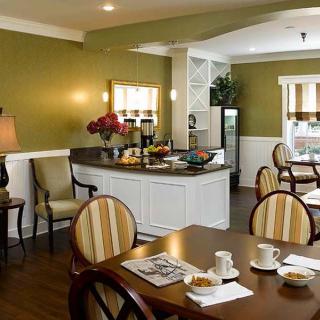
Island Pines Residential Assisted Living in Grosse Ile, MI

21443 Hcl Jackson, Grosse Ile, MI 48138

For more information about senior living options: (844) 490-3973

5 from 7 reviews
5 stars
7
4 stars
0
3 stars
0
2 stars
0
1 stars
0

Assisted Living Board and Care Home

Island Pines Residential Assisted Living Costs & Pricing

Island Pines Residential Assisted Living offers private rooms at a rate of $4,000 per month, positioning it above both the average costs in Wayne County and the broader state of Michigan. In comparison, Wayne County has a median monthly cost of $3,335 for similar accommodations, while the state average stands at $3,675. This reflects Island Pines' commitment to providing personalized care and enhanced amenities that may contribute to its higher price point. While it may be a more significant investment than other options in the area, potential residents can expect tailored services and a supportive environment that prioritizes their well-being.

Floor plansIsland Pines Residential Assisted LivingWayne CountyMichigan
Private$4,000$3,335$3,674

Overall Review of Island Pines Residential Assisted Living

Pros

  • pro The staff are caring and loving, consistently going above and beyond for residents.
  • pro Island Pines feels like a home with a bed-and-breakfast ambiance and plenty of living space.
  • pro The owner and manager are top-notch - caring, accommodating, and hands-on.
  • pro The team keeps residents safe and engaged with a wide range of activities, even during challenging times.
  • pro Residents have personalized rooms, are treated with respect, and can socialize in a home-like setting.
  • pro The meals are delicious, and birthdays and holidays are celebrated, fostering a warm, family-like environment.

Cons

  • pro The reviewer felt the COVID restrictions were too restrictive on what residents could do.
  • pro A family member could not visit in person, which was frustrating for them.

Review

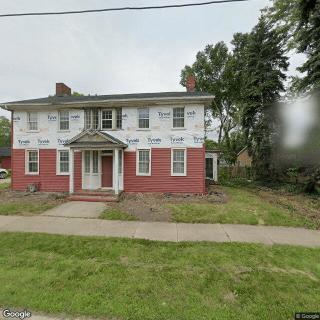
Island Pines Residential Assisted Living in Grosse Ile, MI is best suited for seniors who prize a true home-like setting, where six residents share a cottage and daily life feels more like living with family than institutional care. The small size creates an intimate atmosphere in which caregivers know preferences, routines, and dietary needs personally. The bed-and-breakfast feel, with a warm, residential footprint, supports dignity, autonomy, and meaningful participation in daily life. For families seeking a setting where residents are treated with genuine respect and where staff responsibilities are visible and accountable, Island Pines delivers a compelling alignment of care with personality.

This model, however, isn't the right fit for every situation. Alternatives deserve consideration for residents who require high-acuity medical oversight, complex wound care, or memory-care programs tailored to advanced dementia. Larger facilities with dedicated memory-care wings, more extensive on-site clinical staff, 24/7 nursing coverage, or rehab services may be necessary for those with acute medical needs or who require highly structured, hospital-like capabilities. Families prioritizing a highly clinical environment or state-of-the-art therapy infrastructure should explore options beyond a small, home-centered house.

The strongest positives here are tangible and well-integrated into daily life. Caregivers are described as exceptionally caring and loving, with personal commitment evident in how staff members - supported by an owner who is deeply involved - treat residents as family. The manager's hands-on approach and the presence of an RN among the leadership provide practical oversight that translates into reliable assistance and prompt responses. Residents enjoy a robust calendar of activities - gardening, trivia, parties, games, and outings - that preserve purpose and social connection, while the environment invites participation in household tasks like unloading groceries or folding laundry, reinforcing a sense of belonging. Meals are consistently lauded as fresh and satisfying, and the overall milieu emphasizes respect, autonomy, and personal dignity.

Those strengths offset notable realities of the small-scale model. The intimate setting naturally limits the breadth of programming compared to larger communities, but Island Pines compensates with depth of relationships and real-time responsiveness. The hands-on management, ongoing staff education, and a culture that treats this as residents' home - rather than the employees' workplace - create a compelling value proposition for families prioritizing warmth, personalization, and meaningful daily engagement. Proximity to family members is a practical perk for visiting and involvement, and the lower price point relative to many large-assisted-living options makes it accessible to a broader range of budgets without sacrificing core quality.

On balance, Island Pines stands out for families seeking a sincere, home-centered alternative to cookie-cutter facilities. The advantages - high caregiver attentiveness, a true sense of community, engaging activities, and a reasonable price - tend to outweigh the downsides in most cases, especially for seniors without extreme medical or dementia-specific needs. For those who require intensive clinical care, memory-care specialization, or rehab-focused infrastructure, however, the charm of a small cottage may not suffice, and a more service-rich environment could be warranted.

Practical next steps: arrange a tour to feel the rhythm of daily life, observe how staff interact with residents, and speak with the manager and owner about care protocols and availability. Ask about the care plan for specific health needs, how meals are tailored, and how activities are adapted to changing abilities. If the goal is a setting where residents are treated as adults with a home-like routine, Island Pines is a strong match. If medical acuity or dementia-focused programming is paramount, consider complementary options that offer greater clinical depth. In the right circumstances, Island Pines can be the ideal blend of warmth, respect, and engaging living that families want for a cherished elder.

Features

Housing

  • 6 resident community capacity 6 resident community capacity

Types of Care

  • Assisted Living Assisted LivingAssisted living facilities provide crucial support and care for seniors who may need help with daily tasks such as medication management, bathing, and meal preparation. These communities offer a safe and comfortable environment where seniors can maintain their independence while receiving the assistance they need to thrive in their golden years.
  • Board and Care Home Board and Care HomeBoard and care homes provide a smaller, more intimate setting for seniors who require assistance with daily tasks but do not need the level of care offered by a nursing home. They offer personalized care, meals, and social activities in a homelike environment, ensuring that seniors receive individualized attention and support in their golden years.

Pets

  • Cats allowed Cats allowed"Pet friendly" senior living communities are important for seniors because pets provide companionship, reduce feelings of loneliness and depression, promote physical activity and mental stimulation, and offer a sense of purpose and responsibility. Pets can improve overall well-being and quality of life for seniors in many ways.
  • Dogs allowed Dogs allowed"Pet friendly" senior living communities are important for seniors because pets provide companionship, reduce feelings of loneliness and depression, promote physical activity and mental stimulation, and offer a sense of purpose and responsibility. Pets can improve overall well-being and quality of life for seniors in many ways.

Amenities

  • Activities off-site Activities off-siteEngaging in off-site activities is crucial for seniors to maintain social connections, stay active, and stimulate their minds. It promotes overall well-being and helps combat feelings of isolation and loneliness.
  • Activities on-site Activities on-siteActivities on-site are important for seniors because they provide opportunities for socialization, mental stimulation, physical activity, and overall well-being. Engaging in activities can help seniors stay active, maintain their independence, and improve their quality of life.
  • Beautician on-site Beautician on-siteHaving a beautician on-site at a senior living community is important for seniors as it allows them to easily access grooming and personal care services, boosting their self-esteem and overall well-being. It also provides convenience and helps seniors maintain their sense of independence and personal style.
  • Cable or satellite TV Cable or satellite TVCable or satellite TV is important for seniors because it provides entertainment, news, and companionship, helping to combat loneliness and boredom. It also offers a wide range of programming options tailored to different interests and preferences.
  • Devotional services off-site Devotional services off-siteDevotional services off-site are important for seniors as they provide spiritual nourishment, social engagement, and a sense of community outside of the senior living facility. This can enhance overall well-being and help combat feelings of isolation and loneliness often experienced by older adults.
  • Dining room Dining roomDining rooms are important for seniors as they provide a space for socialization, connection, and nutritious meals. They offer opportunities for residents to bond over shared meals, foster a sense of community, and promote healthy eating habits. Dining rooms also ensure that seniors have access to well-balanced meals tailored to their dietary needs and preferences.
  • Fully furnished Fully furnishedFully furnished senior living communities are important for seniors because they provide convenience, comfort, and a hassle-free moving experience. Seniors can easily settle into their new living space without the stress of having to buy and move furniture. This allows them to focus on enjoying their new home and community.
  • Garden GardenGardens are important for seniors as they provide a peaceful and therapeutic environment for relaxation, physical activity, and socialization. Being in nature has been shown to reduce stress, improve mood, and promote overall well-being. Gardens also offer opportunities for seniors to engage in gardening activities, which can improve mobility, flexibility, and cognitive function. Additionally, gardens create a sense of community and connection with others who share a passion for plants and outdoor spaces.
  • Housekeeping services Housekeeping servicesHousekeeping services are important for seniors because they help maintain a clean and safe living environment, promote independence, and reduce the risk of accidents or illnesses. Additionally, having assistance with household chores can alleviate physical strain and allow seniors to focus on other aspects of their well-being.
  • Indoor common areas Indoor common areasIndoor common areas are crucial for seniors as they provide a space for socialization, recreation, and community engagement, promoting overall well-being and reducing feelings of isolation and loneliness.
  • Move-in coordination Move-in coordinationMove-in coordination is important for seniors because it helps ease the transition into their new living environment. It ensures that all logistics, such as packing, organizing movers, and setting up utilities are taken care of, allowing seniors to focus on settling in and adjusting to their new home. Having a smooth move-in process can alleviate stress and anxiety, making the transition smoother and more enjoyable for seniors.
  • Outdoor common areas Outdoor common areasOutdoor common areas are important for seniors as they provide a space for socialization, physical activity, and relaxation. Being outside in nature can improve mood and overall well-being, while also encouraging movement and engagement with others. These spaces can help combat feelings of isolation and promote a sense of community among residents.
  • Outdoor space Outdoor spaceOutdoor spaces are important for seniors as they provide opportunities for physical activity, social interaction, exposure to natural light and fresh air, and a sense of connection to nature. Having access to outdoor spaces can improve overall well-being and quality of life for older adults living in senior communities.
  • Private PrivatePrivacy is important for seniors as it allows them to maintain their independence, dignity, and sense of control over their own lives. It also gives them the space and freedom to relax, reflect, and engage in activities that bring them joy and fulfillment. Creating private spaces within senior living facilities is crucial for promoting overall well-being and quality of life.
  • Respite or short term stays offered Respite or short term stays offeredRespite or short term stays provide seniors with a temporary solution when their regular caregiver is unavailable, offering them the opportunity to receive additional care and support during times of need, while also giving caregivers a chance to rest and recharge.
  • Telephone TelephoneTelephones are important for seniors as they provide a lifeline for communication with loved ones, emergency services, and healthcare providers. They offer a sense of security and independence, enabling seniors to stay connected and access assistance when needed.
  • Wi-Fi/high-speed internet available Wi-Fi/high-speed internet availableWi-Fi/high-speed internet is important for seniors to stay connected with loved ones, access online resources, and participate in virtual activities to combat feelings of loneliness and isolation. It also allows them to easily manage healthcare needs, access entertainment, and engage in lifelong learning opportunities.

Transportation

  • Detroit Metropolitan-Wayne County (11 miles away) Detroit Metropolitan-Wayne County (11 miles away)

Care Services

  • 24-hour supervision 24-hour supervision24-hour supervision is important for seniors to ensure their safety, well-being, and access to immediate assistance in case of emergencies or health issues. This constant support provides peace of mind for both seniors and their loved ones, allowing them to age in place with dignity and security.
  • Activities of daily living assistance Activities of daily living assistanceActivities of daily living assistance are important for seniors because they provide essential support with tasks such as eating, bathing, dressing, and mobility. This assistance helps seniors maintain their independence, dignity, and overall quality of life as they age.
  • Ambulatory care Ambulatory care"Ambulatory care services provide essential medical support and treatment to seniors without requiring hospitalization, allowing them to maintain their independence and quality of life while managing chronic conditions or receiving routine medical care."
  • Assistance with bathing Assistance with bathingAssistance with bathing is crucial for seniors as it helps maintain personal hygiene, prevents infections, and ensures their overall well-being and comfort. It also provides a sense of dignity and independence for seniors who may struggle with this task on their own.
  • Assistance with dressing Assistance with dressingAssistance with dressing is important for seniors because it helps maintain their independence, promotes personal hygiene, prevents accidents and injuries, and improves overall quality of life. This service ensures that seniors can continue to dress comfortably and confidently, despite any physical limitations they may have.
  • Assistance with transfers Assistance with transfersAssistance with transfers is crucial for seniors as it helps prevent falls and injuries, maintains their independence, and ensures they can safely navigate their living environment. It also provides peace of mind for both seniors and their loved ones.
  • Coordination with health care providers Coordination with health care providersCoordination with health care providers is crucial for seniors to ensure proper medical care, medication management, and overall well-being. This collaboration helps prevent overlapping treatments, track progress more effectively, and provide comprehensive support tailored to individual needs.
  • Diabetes diet Diabetes dietA diabetes diet is crucial for seniors as it helps manage blood sugar levels, reduce risks of complications, and improve overall health and well-being. By following a balanced and nutritious diet tailored to their specific needs, seniors can better control their diabetes and enhance their quality of life.
  • Diabetic care Diabetic careDiabetic care is crucial for seniors as they are more susceptible to developing diabetes due to aging and other health conditions. Proper management of diabetes can help prevent complications such as heart disease, vision loss, and nerve damage, improving the overall quality of life for seniors in senior living communities.
  • High acuity care High acuity careHigh acuity care is important for seniors because it provides specialized medical attention and support for individuals with complex medical needs. This level of care ensures that seniors receive the appropriate treatment and assistance to maintain their health and quality of life as they age.
  • Incontinence care Incontinence careIncontinence care is essential for seniors to maintain their dignity, hygiene, and overall quality of life. By addressing incontinence issues promptly and effectively, seniors can enjoy a sense of independence and comfort in their daily activities.
  • Meal preparation and service Meal preparation and serviceMeal preparation and service are crucial for seniors as they may have limited mobility or energy to cook nutritious meals. Having access to healthy and convenient food options can ensure they are getting the proper nutrition needed to maintain their overall health and well-being.
  • Medication management Medication managementMedication management is crucial for seniors to ensure they are taking the right medications at the correct dosages and times. This helps prevent adverse drug interactions, reduces the risk of medication errors, and promotes overall health and well-being. Proactive management also allows for adjustments as needed based on changing health conditions or new prescriptions.
  • Special dietary restrictions Special dietary restrictionsSpecial dietary restrictions are important for seniors because age-related changes in metabolism and health conditions can make it difficult for their bodies to process certain foods. By following a diet tailored to their specific needs, seniors can maintain their overall health and well-being, manage chronic conditions, and reduce the risk of complications such as malnutrition or food interactions with medications.
  • Transportation arrangement (medical) Transportation arrangement (medical)Transportation arrangements for medical purposes are essential for seniors as they may have difficulty driving themselves to appointments or accessing public transportation. Having reliable and safe transportation options ensures that seniors can receive timely medical care and maintain their health and well-being.
  • Transportation to doctors appointments Transportation to doctors appointmentsTransportation to doctors' appointments is crucial for seniors as it ensures they have access to necessary medical care and support for their health needs. Without reliable transportation, seniors may struggle to attend important appointments, leading to potential delays in treatment and health complications. Providing transportation services helps seniors maintain their overall well-being and quality of life.

Dining

  • Diabetes diet Diabetes dietA diabetes diet is crucial for seniors as it helps manage blood sugar levels, reduce risks of complications, and improve overall health and well-being. By following a balanced and nutritious diet tailored to their specific needs, seniors can better control their diabetes and enhance their quality of life.
  • Meals provided Meals provided"Meals provided" are crucial for seniors in assisted living communities as it ensures they have access to nutritious, balanced meals without the stress of meal planning and preparation. This can help promote overall health and well-being for seniors who may have limited mobility or cognitive abilities.
  • Special dietary restrictions Special dietary restrictionsSpecial dietary restrictions are important for seniors because age-related changes in metabolism and health conditions can make it difficult for their bodies to process certain foods. By following a diet tailored to their specific needs, seniors can maintain their overall health and well-being, manage chronic conditions, and reduce the risk of complications such as malnutrition or food interactions with medications.
  • Vegetarian VegetarianA vegetarian diet is important for seniors because it can help lower the risk of chronic diseases, maintain a healthy weight, and provide essential nutrients needed for aging bodies. Additionally, plant-based diets are often easier on digestive systems and can contribute to overall well-being in older adults.

Activities

  • Activities off-site Activities off-siteEngaging in off-site activities is crucial for seniors to maintain social connections, stay active, and stimulate their minds. It promotes overall well-being and helps combat feelings of isolation and loneliness.
  • Activities on-site Activities on-siteActivities on-site are important for seniors because they provide opportunities for socialization, mental stimulation, physical activity, and overall well-being. Engaging in activities can help seniors stay active, maintain their independence, and improve their quality of life.
  • Community-sponsored activities Community-sponsored activitiesCommunity-sponsored activities are important for seniors as they provide opportunities for social interaction, mental stimulation, and physical activity. These activities can help improve overall well-being, combat loneliness and isolation, and promote a sense of belonging and purpose among older adults.
  • Devotional activities offsite Devotional activities offsiteDevotional activities offsite are important for seniors because they provide social engagement, spiritual growth, and a sense of community outside of their living environment. This can improve overall well-being, mental health, and combat feelings of isolation or loneliness.
  • Scheduled daily activities Scheduled daily activitiesScheduled daily activities are important for seniors because they provide structure, socialization, mental stimulation, and physical activity. Engaging in regular activities can improve overall well-being and quality of life for seniors living in a community setting.

Description

Island Pines Residential Assisted Living in Grosse Ile, MI is a vibrant and well-appointed community designed to provide a comfortable and supportive environment for seniors. Our residents can enjoy a range of amenities and services that cater to their needs and preferences.

Within our facility, we have a spacious dining room where residents can gather for delicious meals prepared by our dedicated staff. The dining experience is complemented by the beautiful surroundings as the community is fully furnished to create a warm and inviting atmosphere.

For those who appreciate spending time outdoors, we have a lovely garden where residents can relax, take walks, or engage in light physical activities. Additionally, there is plenty of outdoor space available for residents to enjoy fresh air and maybe even some sunshine.

Our housekeeping services ensure that residents can focus on enjoying their time without worrying about household chores. We take care of maintaining their living spaces neat and tidy.

To assist with the smooth transition into our community, we offer move-in coordination services that help ease the process for new residents and their families. We aim to make this transition as seamless as possible so that everyone feels at home quickly.

For communication needs, we provide telephone service as well as Wi-Fi/high-speed internet access throughout the community. This ensures that residents can stay connected with loved ones or browse online at their convenience.

In terms of care services, we offer assistance with activities of daily living such as bathing, dressing, and transfers. Our staff also coordinates with healthcare providers to ensure that each resident's specific medical needs are met. We provide diabetes diets for those who require it and manage medication schedules diligently.

When it comes to dining options, we accommodate special dietary restrictions to ensure that every meal is tailored to each individual's needs and preferences. We understand the importance of proper nutrition in maintaining good health.

Residents will find various opportunities for social engagement through our scheduled daily activities program. These activities are carefully planned to cater to different interests and abilities, providing a well-rounded and enjoyable experience for all residents.

Located in Grosse Ile, MI, our community is conveniently surrounded by amenities that cater to different needs. Residents have access to two cafes, several pharmacies, restaurants, places of worship, and physicians nearby. Additionally, there are three hospitals in close proximity to ensure prompt medical attention if required.

Island Pines Residential Assisted Living provides a caring and enriching environment where seniors can enjoy assistance with daily tasks and engage in a fulfilling lifestyle. We strive to create a community that promotes well-being, independence, and social connections for our residents.

Nearby Places of Interest

Pharmacies

  • Sav-On Drugs (1.5 miles)
  • CVS Pharmacy (2.1 miles)
  • Rexall (3.6 miles)
  • Walgreens (3.7 miles)
  • Drugstore Pharmacy (3.8 miles)
  • Old Town Pharmacy (3.9 miles)
  • Shoppers Drug Mart (3.9 miles)

Restaurants

  • Ten Pins of Trenton (2 miles)
  • TV's Deli & Diner (2 miles)
  • Pancho's II Mexican Restaurant (2.9 miles)
  • Bob Jo's Frozen Custard (3.1 miles)
  • McDonald's (3.2 miles)
  • Leo's Coney Island (4 miles)
  • Applebee's (4.1 miles)

Physicians

  • Family Health PC (2.5 miles)
  • Lung and Sleep Disorders Center (2.7 miles)
  • Michigan Center For Oral Surgery (3.5 miles)
  • Downriver Heart and Vascular Specialists (3.6 miles)
  • Castleman Eye Center (3.7 miles)
  • Michigan Institute-Urology (4.1 miles)
  • Lagrou, Robert New Oakland Family Centers (5.4 miles)

Parks

  • BASF Park (3 miles)
  • Civic Center Park (5.1 miles)
  • Lake Erie Metropark (6.5 miles)
  • Heritage Park (6.9 miles)
  • Huroc Park (8.4 miles)
  • Schemansky Park (10.4 miles)
  • Willow Metro Park (11.1 miles)

Cafes

  • Starbucks (3.1 miles)
  • Sugarr Donuts (3.5 miles)
  • Tim Hortons (6 miles)
  • Panera Bread (6.4 miles)
  • Biggby Coffee (7.5 miles)
  • Tim Hortons (7.6 miles)

Hospitals

  • Henry Ford Medical Center - Woodhaven (4 miles)
  • Henry Ford Wyandotte Hospital (4 miles)
  • Dr. Dino d'Aloisio (4.4 miles)
  • Beaumont Dearborn Hospital (10.1 miles)
  • Hotel-Dieu Grace Healthcare (10.3 miles)

Places of Worship

  • Southpoint Church (4.1 miles)
  • Our Lady of the Woods (5.3 miles)
  • Heritage Park Alliance Church (9 miles)

Transportation

  • National Car Rental (11 miles)
  • Hertz Rent A Car (11.1 miles)
  • Enterprise Rent-A-Car (11.2 miles)

Frequently Asked Questions

How much does it cost to live at Island Pines Residential Assisted Living in Grosse Ile, MI?
Where is Island Pines Residential Assisted Living?
Does Island Pines Residential Assisted Living allow residents to have pets?

Nearby Communities

  • Ruth's Retreat

    Ruth's Retreat

    Grosse Ile, MI


    pro 24/7 supervision with ADL support, diabetes-friendly dining, and coordinated transportation.

  • Lake Avenue Home

    Lake Avenue Home

    Grosse Isle, MI


    pro Wide range of care services with daily activities and health care coordination.

  • Coach Stop Manor

    Coach Stop Manor

    Trenton, MI

    3 from 2 reviews
    $3,650 / month

    pro Strong resident care and a warm, welcoming atmosphere for families.

  • Elder Care Home Care Group Inc

    Elder Care Home Care Group Inc

    Grosse Ile, MI


    pro Convenient access to nearby healthcare facilities and amenities in a peaceful setting.

  • Loving Care Home Care

    Loving Care Home Care

    Grosse Ile, MI


    pro Nurturing assisted living with easy access to pharmacies, hospitals, and nearby dining.

  • Michigan House

    Michigan House

    Riverview, MI

    4 from 1 review
     

    pro Friendly staff and a welcoming, high-quality tour experience.

  • Belle Fountain Nursing & Rehabilitation Center

    Belle Fountain Nursing & Rehabilitation Center

    Riverview, MI


    pro Extensive amenities with 24/7 care and medication management.

  • Atria Kinghaven

    Atria Kinghaven

    Riverview, MI

    4.8 from 134 reviews
    $2,695 to $4,595 / month

    pro Friendly, attentive staff in a welcoming, active community.

  • Hampton Manor Premier Assisted Living of Trenton

    Hampton Manor Premier Assisted Living of Trenton

    Trenton, MI

    4.5 from 15 reviews
    $3,900 to $4,750 / month

    pro Beautiful setting with engaging activities and attentive staff.

Related Resources

  • active senior livingVibrant Senior Living: A Comprehensive Guide for Active Older Adults

    Vibrant Senior Living emphasizes active senior living communities that promote independence and engagement through diverse amenities and activities, fostering wellness and social interaction among older adults. These communities range from independent to assisted living, with a focus on personal growth, family involvement, financial planning, and leveraging technology to enhance residents' experiences.

  • when to move from assisted living to memory careWhen to Transition from Assisted Living to Memory Care: Key Indicators, Steps, and Finding the Right Community

    Transitioning from assisted living to memory care is driven by an individual's cognitive decline and specific needs, requiring careful evaluation of indicators like increased confusion and wandering. The process involves consulting medical professionals, researching suitable communities, considering financial and legal aspects, and ensuring effective communication for personalized care plans.

  • assisted living vs memory careAssisted Living and Memory Care: Understanding Their Core Differences

    Assisted living provides moderate support for seniors seeking independence, while memory care offers specialized support for individuals with dementia or cognitive impairments through structured routines and trained staff. Key differences include care approaches, environment security measures, staff training levels, activity types, and cost considerations.