
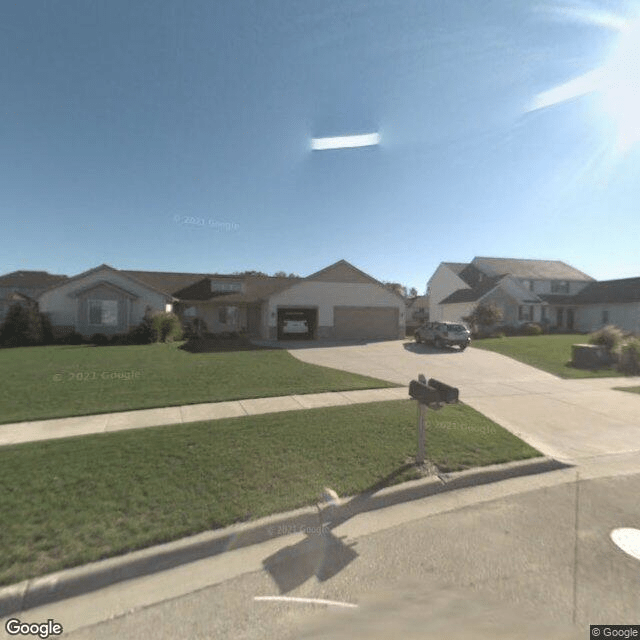
3671 Kinnrow Ct., Walker, MI 49534
For more information about senior living options: (866) 208-4318
Platinum Living Walker Costs & Pricing
Platinum Living Walker offers competitive pricing for its living arrangements, with monthly costs significantly lower than both Ottawa County and the broader state of Michigan. For instance, whether residents opt for a private room, studio, or one-bedroom unit, the cost remains consistently at $2,500 per month. In stark contrast, similar accommodations in Ottawa County average around $3,090 to $3,626, while state averages range from approximately $3,384 to $3,675. This substantial difference not only highlights Platinum Living Walker's affordability but also positions it as an attractive option for those seeking quality living spaces without the higher price tag typically associated with the region.
| Floor plans | Platinum Living Walker | Ottawa County | Michigan |
|---|---|---|---|
| Studio | $2,500 | $3,626 | $3,824 |
| 1 Bedroom | $2,500 | $3,090 | $3,384 |
| Private | $2,500 | $3,513 | $3,674 |
Memory care communities with a similar price nearby
-
About the same

Platinum Living of Michigan - Kentwood
$2,500 / month12.6 miles away -
About the same

Sheldon Meadows Living Center
$2,550 to $4,000 / month10.7 miles away -
from +$155 / mo

Freedom Village ( Holland )
$2,655 to $5,965 / month22.6 miles away -
About the same

Platinum Living of Michigan - Byron Center
$2,500 / month12.1 miles away -
from -$200 / mo

Byron Center Manor
$2,300 to $4,270 / month13.3 miles away
Overall Review of Platinum Living Walker
Cons
 They were left in excruciating pain in their wheelchair.
- They were not allowed to lie down from 8 a.m. to 9 p.m.
- They cried and begged for help all day, every day.
- They felt the staff had no compassion and were only there for a paycheck.
- They received no assistance despite pleading, with no available help.
- They planned to contact Adult Protective Services over the alleged mistreatment.
- They believe the facility cannot be trusted and should be shut down.
Review
Best suited for no one who expects dependable, compassionate care. The sole firsthand account of Platinum Living Walker paints a compelling warning about what to expect: chronic, unaddressed pain, prolonged distress, and a staff culture described as uncaring and self-interested. Such conditions are intolerable for a frail or mobility-impaired loved one. The narrative portrays a resident left in excruciating pain in a wheelchair, with care requests ignored from early morning until late evening, and cries for help met with indifference. In practical terms, this setting fails the fundamental standard of daily comfort and safety, making it a choice to avoid for families prioritizing dignity and timely support.
Alternatives should be considered by any family with viable options. When serious care failures are alleged, the lack of compassion and responsiveness becomes the central criterion. Prospective residents should prioritize facilities where staff demonstrate reliable availability, empathetic communication, and a documented pathway for escalating concerns. If a community cannot show a track record of prompt assistance for pain, mobility, and daily needs, or if grievance channels are opaque, it is prudent to look elsewhere. Even in markets with limited beds, it is possible to find environments emphasizing resident rights, regular check-ins, and transparent supervision.
From the report, there are no discernible advantages to offset the described drawbacks. The absence of noted positives, no evidence of adequate staffing, no indications of safe patient handling, no signs of corrective action, means the risks simply outweigh any potential convenience. Without verifiable strengths, the cons become the sole driver of the decision. In effect, cost, location, or schedule commitments cannot justify accepting experiences that include pain, neglect, and distrust. Families should treat this profile as a red flag rather than a viable option.
Main cons are severe and well-documented in the narrative. The patient allegedly endured excruciating hip-related pain, with a long daily window where lying down or resting was not accommodated, despite repeated pleas. Compassion and responsiveness appear compromised, with staff described as motivated by pay rather than resident welfare. The absence of timely help, coupled with threats of outside authorities, signals potential abuse and systemic neglect. A two-month tenure culminating in a rapid discharge reinforces concerns about stability and ongoing safety. The net effect is a community that undermines safety, trust, and the core expectations of elder-care.
Practical evaluation guidance centers on rigorous due diligence. If considering any alternative, request recent state inspections, complaint histories, and staff-to-resident ratios. Schedule unannounced visits, observe how staff respond to basic requests, and speak with current residents or family members about routine care, pain management, and mobility support. Verify access to medical oversight, timely assistance with call bells, and clear policies for handling grievances. When mobility and pain are central, confirm availability of physical therapy, trained aides, and safe assistive devices. In short, the evaluation should prioritize demonstrable, consistent care in real-time, not promises.
Bottom line: this community should be approached with extreme caution. The account points to a pattern of neglect and emotional disengagement that cannot be reconciled with a safe, respectful living environment. Families are advised to pursue facilities with verified commitments to resident welfare, transparent accountability, and proactive care management. If doors must be opened to continuing care options in this market, insist on concrete evidence of improvement, independently verified staffing, resident satisfaction, and a zero-tolerance stance on neglect. The goal remains clear: secure a setting where pain is addressed promptly, dignity is upheld, and trust is restored through reliable, compassionate caregiving.
 6 resident community capacity
 Assisted Living
 Board and Care Home
 Memory Care
 Activities on-site
 Cable or satellite TV
 Devotional services off-site
 Dining room
 Fully furnished
 Garden
 Housekeeping services
 Indoor common areas
 Move-in coordination
 Outdoor space
 Private
 Telephone
 Wi-Fi/high-speed internet available
 Kent County International (15 miles away)
 24-hour supervision
 Ambulatory care
 Assistance with bathing
 Assistance with dressing
 Assistance with transfers
 Diabetes diet
 Diabetic care
 Meal preparation and service
 Medication management
 Special dietary restrictions
 Transportation arrangement (medical)
 Transportation to doctors appointments
 Intimate setting with comprehensive care and amenities.

 How to Communicate with a Loved One Living with Dementia: 10 Supportive Strategies
 Comprehensive Guide to VA Nursing Homes: A Crucial Long-Term Care Resource for Veterans
 Estimating the Expenses of At-Home Dementia Care: A Detailed Exploration