
851 Turner NW, Grand Rapids, MI 49504
For more information about senior living options: (866) 208-4318
Overall Review of Key Assisted Living
Pros
 The residents are lovely.
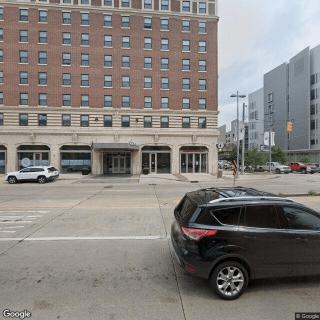
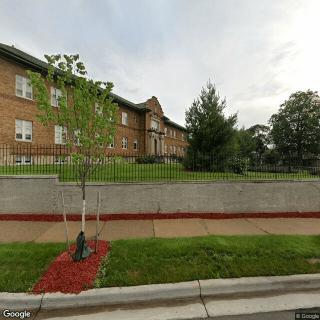
- The facility is beautiful, with hardworking staff and many caring people.
- It is one of the best assisted living apartments in Grand Rapids.
- Heron Manor is a wonderful assisted living facility, offering weekly concerts, activities, and outings with excellent staff support.
Cons
 They demand October's rent after a death.
- They are sending attorneys for the deceased's estate.
- They come across as inconsiderate and money-hungry.
- They switch companies back to back and do not keep communication open for residents or staff.
- They provide poor food service and poor sanitation.
- They would never send a family member to this place.
- They attempted to keep a deposit from a resident's mother and only refunded part after a dispute.
- They had staffing shortages, with only one nurse on the floor for three floors.
Review
Key Assisted Living in Grand Rapids is best suited for seniors who prize a bright, social setting and a community that feels lively and neighborly. The vibe appeals to residents who want ready access to planned activities, outings, and a steady stream of familiar faces. This is not a place aimed at high-acuity medical needs, but rather a campus where friendly staff and a warm resident network can support independent living with light assistance. Families should enter with clear expectations about administration and billing processes, knowing that the environment may compensate for occasional friction with who they meet daily and the quality of social life.
Who may want to consider alternatives? Those who require consistent, transparent communication and flawless financial handling will want to look elsewhere. Several reviews flag ongoing management changes and a pattern of poor communication between administration, staff, and families. If a loved one depends on dependable nursing oversight, ideally more than one nurse on duty per shift, the risk of understaffing across multiple floors is a real concern. Additionally, disputes over deposits or post-death charges signal a rigidity in financial practices that can erode trust when a family is navigating a difficult time.
On the plus side, the community earns points for atmosphere and engagement. Residents are described as lovely, and the facility itself is presented as beautiful, offering concerts, activities, and outings that create meaningful social ties. Staff are frequently praised for their dedication and warmth, and some reviewers report feeling that the care team is genuinely attentive and supportive. Those elements can translate into improved mood and a sense of belonging, which matters greatly for daily quality of life and emotional well-being.
Yet the negatives carry weight. Communication breakdowns, including reports of back-and-forth ownership changes, create a sense of uncertainty for families trying to stay informed. Sanitation and food service quality are repeatedly called into question, which matters to daily satisfaction and overall health. The most troubling issue is staffing: a single nurse covering multiple floors raises legitimate concerns about response times, medication administration, and oversight of daily needs. A deposit dispute, tied to move-out timing and carpet wear, further fuels skepticism about contracts and refunds, especially when a loved one is no longer living there.
Do the strong social and environmental advantages offset these concerns? For some families, yes, if the loved one is largely independent, requires light assistance, and thrives on community life, the positives can outweigh the risks. The decision hinges on tolerance for operational quirks and the willingness to actively monitor care, billing, and communication. Pros like a welcoming resident culture and consistent programming can compensate to a degree for gaps in nursing coverage, so long as daily medical needs remain modest and there is a plan to address red flags quickly.
Practical next steps for evaluators: schedule multiple tours at different times, speak with current residents about daily routines, and ask direct questions about nurse ratios, shift coverage, and how changes in ownership are communicated. Review the contract for deposit terms, refund policies, and what happens after a loved one passes away. Request written policies on billing disputes and how estate matters are handled. Check state inspection records and look for recurring complaints. If these guardrails are clear and responses are timely, the community can deliver a fulfilling, socially rich living arrangement; if not, alternatives with steadier administration and more robust medical oversight deserve stronger consideration.
 12 resident community capacity
 Assisted Living
 Cable or satellite TV
 Dining room
 Fully furnished
 Garden
 Housekeeping services
 Move-in coordination
 Outdoor space
 Telephone
 Wi-Fi/high-speed internet available
 Kent County International (10 miles away)
 24-hour supervision
 Activities of daily living assistance
 Assistance with bathing
 Assistance with dressing
 Assistance with transfers
 Diabetes diet
 Meal preparation and service
 Medication management
 Special dietary restrictions
 Transportation arrangement (medical)
 Transportation to doctors appointments


 When to Transition from Assisted Living to Memory Care: Key Indicators, Steps, and Finding the Right Community
 Assisted Living and Memory Care: Understanding Their Core Differences
 Beyond the Bingo Hall: 50+ Enriching Activities for Seniors in Assisted Living