Strong Adult Foster Care

211 Friant Street., Grand Haven, MI 49417

For more information about senior living options: (844) 490-3973

3.4 from 31 reviews
5 stars
18
4 stars
1
3 stars
0
2 stars
0
1 stars
12

Assisted Living

What level of care are you interested in?

Assisted Living

Memory Care

Independent Living

Skilled Nursing Facility

Continuing Care Retirement Community (CCRC)CCRC

Other


Request a tour at Strong Adult Foster Care

    Overall Review of Strong Adult Foster Care

    Pros

    • pro Riverside provides excellent care across the nurses, case manager, and staff.
    • pro The CNAs are professional, down-to-earth, and genuinely caring for residents.
    • pro The facility is very professional, with a dedicated staff that makes residents feel truly loved and cared for.
    • pro The admissions team (including Jason) is easy to work with and helps transitions run smoothly.
    • pro Riverside has a small, family-like environment that supports personalized care.
    • pro The rehab team is fantastic and delivers a positive rehabilitation experience.
    • pro Nursing, therapy, and doctors work together to provide the best care possible.
    • pro The dietary team offers home-cooked meals that taste great.
    • pro The activity director provides regular outings and daily activities to keep residents engaged.
    • pro The administrator and director of nursing are long-tenured, trusted, and competent leaders.
    • pro Families describe the care as genuine, loving, and professional.

    Cons

    • pro LaVonne is incredibly rude.
    • pro The absolute worst nursing aide is Sammie.
    • pro The facility needs a lot of updating.
    • pro They don't have enough staff to help feed residents.
    • pro A patient developed a bedsore that went through all four stages down to the bone due to lack of care.
    • pro A staff member was reportedly violent, hitting the patient and giving her a black eye.
    • pro The front office only cares about money.

    Review

    Riverside Nursing and Rehabilitation presents itself in the public eye as a place of two very different realities. For every reviewer who paints a picture of warmth, professional care, and a home-like atmosphere, there is another who warns of neglect, staffing woes, and serious safety concerns. Taken together, the collection reads like a study in contrasts: moments of genuine compassion and effective therapy side by side with accounts of poor oversight, mistreatment allegations, and alarming health risks. The spectrum is wide enough that readers can sense the facility's potential to be a lifesaver for some and a source of real danger for others.

    On the overwhelmingly positive side, many reviewers highlight compassionate, attentive care that seems to come from a dedicated team. One person describes Riverside as "great for my sister? great care all around - from the nurses, the case manager, and the staff." The CNA's are praised as "professional but down to earth and personable," making residents feel truly loved and cared for, with a sense that the staff "busts their butts" to deliver the needed care. The sentiment goes beyond casual satisfaction; some families express deep gratitude for the strides their loved ones have made under Riverside's watch, noting how the staff's effort translates into real improvements in well-being and independence. The rehab and therapy experiences are repeatedly lauded: a 54-year-old patient recounts a first-hand success story of breaking back and subsequent, speedy recoveries with "very professional physical and occupational staff," and an admission that the hospital arranged early recovery. In testimonials like these, Riverside earns a reputation for competent, thorough rehabilitation and a welcoming environment that feels "home-away-away from home."

    Several reviews underscore the facility's small size and familial atmosphere as strengths that enable more individualized attention. Phrases like "small facility? you get more personalized care," and "Being a small facility it takes on a more family/friend environment" appear in positive notes. Staff are described as "caring and wonderful," with admissions personnel such as Jason commended for facilitating smooth transitions between care settings and addressing families' questions. In these accounts, Riverside is portrayed as a place where the rehab team collaborates with nursing and dietary staff to create a cohesive care plan, with home-cooked meals and daily activities contributing to a sense of normalcy and daily engagement for residents.

    Yet for every cheer, there are equally strong cautions. A number of reviews express profound and specific concerns about neglect, under-staffing, and poor communication. Some reviewers go so far as to declare Riverside a place to avoid entirely, using stark language such as "0/10. Wouldn't send my loved one here," and "STAY AS FAR AWAY FROM THIS PLACE." Complaints range from perceived rudeness among some staff to allegations of abuse and inadequate care. One account asserts that a staff member who should be trusted to care for a vulnerable relative was "incredibly rude," with a family member's experience later described as a pattern of mean behavior reportedly impacting a loved one. Another review contains a chilling allegation that a family member had to call the police after claiming a nurse or aide physically harmed their relative, with the reviewer noting that the incident was not conclusively resolved and that management did not provide assurance about ongoing safety.

    There are troubling, graphic claims about care failures as well. Several reviewers describe gaps in basic nursing attention, including delays in turning and diaper changes, and not receiving regular wound care or monitoring. One account details a severe, chronic bedsore that progressed to bone exposure, followed by an extended period of poor care that allegedly contributed to long-term health consequences. The same review raises the specter of medical negligence, tying it to later diagnoses and long-term impairment. Another reviewer recounts rapid deterioration in nutrition and hydration, linking it to insufficient staffing and overwhelmed personnel, ultimately leading to emergency transfers to the ER and kidney failure. The fear expressed is that such lapses could have been avoided with consistent staff presence and better clinical oversight.

    Family members share emotional, hard-hitting snapshots that reinforce these concerns. A dementia-related story describes a resident who became combative, with frequent changes in caregivers and at least one grave allegation of abuse in which a caregiver was accused of leaving a loved one in soiled clothing, with regular bathing and feeding problems becoming a recurring issue. In this account, not only were medical needs inadequately addressed, but the environment became unsafe and emotionally draining for both the resident and family members. The complaints extend to systemic issues, with critics accusing administration of prioritizing money over patient care, a turnover-heavy CNA staff, and a lack of communication that left families micro-managing rather than trusting the facility to monitor health changes and respond promptly.

    Interwoven with these strong negative voices are more cautionary but equally explicit warnings about the facility's condition and operations. Several reviews describe the physical plant as needing upgrades and modernization, implying that environmental shortcomings can compound care challenges. The recurring thread is that Riverside's quality of care appears highly contingent on which staff are present, how well they communicate, and how robust the facility's administrative and clinical oversight is on any given day. The positive stories emphasize consistency, empathy, and professional alignment among nurses, therapists, and administrators. The negative stories focus on gaps in staffing, supervision, and responsiveness, sometimes with serious consequences for residents' health and dignity.

    In the end, Riverside emerges as a place of stark contrasts where the difference between excellent care and dangerous neglect can hinge on day-to-day realities - staff availability, manager responsiveness, and the particular caregivers assigned to a resident. Some families leave with heartwarming gratitude: testimonials praising the staff's compassion, the rehab team's effectiveness, and the sense that their loved ones are in a supportive, close-knit environment. Others leave with lasting fear and frustration, recounting severe lapses in care, alarming health deteriorations, and deeply troubling interactions with management and frontline staff. For anyone evaluating Riverside, the spectrum of experiences suggests a thorough, critical approach: speak with multiple families, evaluate staff stability and turnover, and consider whether the care philosophy aligns with the resident's needs, while keeping a close eye on ongoing communication and visible standards of safety and dignity.

    Features

    Housing

    • 6 resident community capacity 6 resident community capacity

    Types of Care

    • Assisted Living Assisted LivingAssisted living facilities provide crucial support and care for seniors who may need help with daily tasks such as medication management, bathing, and meal preparation. These communities offer a safe and comfortable environment where seniors can maintain their independence while receiving the assistance they need to thrive in their golden years.

    Amenities

    • Cable or satellite TV Cable or satellite TVCable or satellite TV is important for seniors because it provides entertainment, news, and companionship, helping to combat loneliness and boredom. It also offers a wide range of programming options tailored to different interests and preferences.
    • Dining room Dining roomDining rooms are important for seniors as they provide a space for socialization, connection, and nutritious meals. They offer opportunities for residents to bond over shared meals, foster a sense of community, and promote healthy eating habits. Dining rooms also ensure that seniors have access to well-balanced meals tailored to their dietary needs and preferences.
    • Fully furnished Fully furnishedFully furnished senior living communities are important for seniors because they provide convenience, comfort, and a hassle-free moving experience. Seniors can easily settle into their new living space without the stress of having to buy and move furniture. This allows them to focus on enjoying their new home and community.
    • Garden GardenGardens are important for seniors as they provide a peaceful and therapeutic environment for relaxation, physical activity, and socialization. Being in nature has been shown to reduce stress, improve mood, and promote overall well-being. Gardens also offer opportunities for seniors to engage in gardening activities, which can improve mobility, flexibility, and cognitive function. Additionally, gardens create a sense of community and connection with others who share a passion for plants and outdoor spaces.
    • Housekeeping services Housekeeping servicesHousekeeping services are important for seniors because they help maintain a clean and safe living environment, promote independence, and reduce the risk of accidents or illnesses. Additionally, having assistance with household chores can alleviate physical strain and allow seniors to focus on other aspects of their well-being.
    • Move-in coordination Move-in coordinationMove-in coordination is important for seniors because it helps ease the transition into their new living environment. It ensures that all logistics, such as packing, organizing movers, and setting up utilities are taken care of, allowing seniors to focus on settling in and adjusting to their new home. Having a smooth move-in process can alleviate stress and anxiety, making the transition smoother and more enjoyable for seniors.
    • Outdoor space Outdoor spaceOutdoor spaces are important for seniors as they provide opportunities for physical activity, social interaction, exposure to natural light and fresh air, and a sense of connection to nature. Having access to outdoor spaces can improve overall well-being and quality of life for older adults living in senior communities.
    • Telephone TelephoneTelephones are important for seniors as they provide a lifeline for communication with loved ones, emergency services, and healthcare providers. They offer a sense of security and independence, enabling seniors to stay connected and access assistance when needed.
    • Wi-Fi/high-speed internet available Wi-Fi/high-speed internet availableWi-Fi/high-speed internet is important for seniors to stay connected with loved ones, access online resources, and participate in virtual activities to combat feelings of loneliness and isolation. It also allows them to easily manage healthcare needs, access entertainment, and engage in lifelong learning opportunities.

    Transportation

    • Muskegon County (8 miles away) Muskegon County (8 miles away)

    Care Services

    • 24-hour supervision 24-hour supervision24-hour supervision is important for seniors to ensure their safety, well-being, and access to immediate assistance in case of emergencies or health issues. This constant support provides peace of mind for both seniors and their loved ones, allowing them to age in place with dignity and security.
    • Activities of daily living assistance Activities of daily living assistanceActivities of daily living assistance are important for seniors because they provide essential support with tasks such as eating, bathing, dressing, and mobility. This assistance helps seniors maintain their independence, dignity, and overall quality of life as they age.
    • Assistance with bathing Assistance with bathingAssistance with bathing is crucial for seniors as it helps maintain personal hygiene, prevents infections, and ensures their overall well-being and comfort. It also provides a sense of dignity and independence for seniors who may struggle with this task on their own.
    • Assistance with dressing Assistance with dressingAssistance with dressing is important for seniors because it helps maintain their independence, promotes personal hygiene, prevents accidents and injuries, and improves overall quality of life. This service ensures that seniors can continue to dress comfortably and confidently, despite any physical limitations they may have.
    • Assistance with transfers Assistance with transfersAssistance with transfers is crucial for seniors as it helps prevent falls and injuries, maintains their independence, and ensures they can safely navigate their living environment. It also provides peace of mind for both seniors and their loved ones.
    • Coordination with health care providers Coordination with health care providersCoordination with health care providers is crucial for seniors to ensure proper medical care, medication management, and overall well-being. This collaboration helps prevent overlapping treatments, track progress more effectively, and provide comprehensive support tailored to individual needs.
    • Diabetes diet Diabetes dietA diabetes diet is crucial for seniors as it helps manage blood sugar levels, reduce risks of complications, and improve overall health and well-being. By following a balanced and nutritious diet tailored to their specific needs, seniors can better control their diabetes and enhance their quality of life.
    • Meal preparation and service Meal preparation and serviceMeal preparation and service are crucial for seniors as they may have limited mobility or energy to cook nutritious meals. Having access to healthy and convenient food options can ensure they are getting the proper nutrition needed to maintain their overall health and well-being.
    • Medication management Medication managementMedication management is crucial for seniors to ensure they are taking the right medications at the correct dosages and times. This helps prevent adverse drug interactions, reduces the risk of medication errors, and promotes overall health and well-being. Proactive management also allows for adjustments as needed based on changing health conditions or new prescriptions.
    • Special dietary restrictions Special dietary restrictionsSpecial dietary restrictions are important for seniors because age-related changes in metabolism and health conditions can make it difficult for their bodies to process certain foods. By following a diet tailored to their specific needs, seniors can maintain their overall health and well-being, manage chronic conditions, and reduce the risk of complications such as malnutrition or food interactions with medications.
    • Transportation arrangement (medical) Transportation arrangement (medical)Transportation arrangements for medical purposes are essential for seniors as they may have difficulty driving themselves to appointments or accessing public transportation. Having reliable and safe transportation options ensures that seniors can receive timely medical care and maintain their health and well-being.
    • Transportation to doctors appointments Transportation to doctors appointmentsTransportation to doctors' appointments is crucial for seniors as it ensures they have access to necessary medical care and support for their health needs. Without reliable transportation, seniors may struggle to attend important appointments, leading to potential delays in treatment and health complications. Providing transportation services helps seniors maintain their overall well-being and quality of life.

    Dining

    • Diabetes diet Diabetes dietA diabetes diet is crucial for seniors as it helps manage blood sugar levels, reduce risks of complications, and improve overall health and well-being. By following a balanced and nutritious diet tailored to their specific needs, seniors can better control their diabetes and enhance their quality of life.
    • Special dietary restrictions Special dietary restrictionsSpecial dietary restrictions are important for seniors because age-related changes in metabolism and health conditions can make it difficult for their bodies to process certain foods. By following a diet tailored to their specific needs, seniors can maintain their overall health and well-being, manage chronic conditions, and reduce the risk of complications such as malnutrition or food interactions with medications.

    Activities

    • Community-sponsored activities Community-sponsored activitiesCommunity-sponsored activities are important for seniors as they provide opportunities for social interaction, mental stimulation, and physical activity. These activities can help improve overall well-being, combat loneliness and isolation, and promote a sense of belonging and purpose among older adults.
    • Scheduled daily activities Scheduled daily activitiesScheduled daily activities are important for seniors because they provide structure, socialization, mental stimulation, and physical activity. Engaging in regular activities can improve overall well-being and quality of life for seniors living in a community setting.

    Description

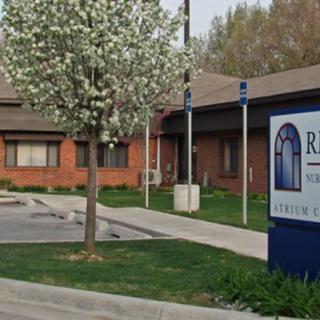
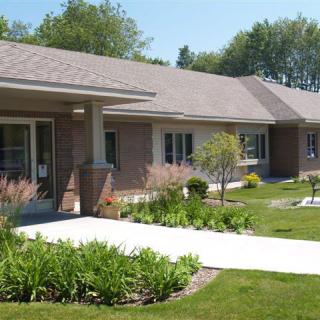
    Welcome to our strong adult foster care community in Grand Haven, MI. Our facility offers a range of amenities and care services to ensure the comfort and well-being of our residents.

    Our spacious dining room provides a welcoming space for residents to enjoy delicious meals together. The facility is fully furnished, providing a cozy and comfortable environment for our residents. Outside, we have a beautiful garden where residents can relax and enjoy nature.

    To make life easier for our residents, we offer housekeeping services to ensure their living spaces are always clean and tidy. We also provide move-in coordination support for a seamless transition into our community. Additionally, residents have access to outdoor spaces where they can take in the fresh air and enjoy the outdoors at their leisure.

    For convenience, we provide telephone and Wi-Fi/high-speed internet services so that residents can stay connected with their loved ones or browse the web as they wish.

    Our dedicated care staff is available to provide assistance with activities of daily living such as bathing, dressing, transfers, and coordination with health care providers. We also offer specialized assistance for those with diabetes through dietary management. Our staff ensures that meals are prepared according to special dietary restrictions and served in a timely manner.

    Transportation arrangements for medical appointments are made by our team, ensuring that residents can easily attend their doctor's visits. In addition to this, we have various amenities nearby including cafes, parks, pharmacies, physicians' offices, restaurants, and hospitals.

    To promote an active lifestyle among our residents, we schedule daily activities designed to engage them physically, mentally, socially, and emotionally.

    If you or your loved one is seeking a strong adult foster care community in Grand Haven where comfort and quality care are paramount, look no further. Contact us today to learn more about our assisted living community and how we can meet your unique needs.

    Nearby Places of Interest

    This area of Grand Haven, Michigan offers a variety of amenities and services that cater to seniors looking for convenience and accessibility. With several restaurants within a short distance, including Highway Inn and Stanz Cafe, residents can enjoy dining out without having to travel far. Nearby pharmacies such as Pfaff Pharmacy and Walgreens provide easy access to medications and health products. For medical needs, there are multiple physicians' offices like Eartek Services and Eye Care One in the vicinity, as well as Trinity Continuing Care Services hospital for more serious health concerns. Additionally, cafes like Starbucks and Panera Bread offer cozy spots for socializing with friends or enjoying a relaxing cup of coffee. The proximity to parks like Pottawattomie Park and Grand Haven State Park provides opportunities for outdoor recreation and leisurely walks in nature. Transportation options such as Avis Rent A Car cater to those who may need additional mobility assistance. Overall, this part of Grand Haven offers a well-rounded environment for seniors seeking comfortable living with convenient access to essential services.

    Restaurants

    • Highway Inn (0.4 miles)
    • Stanz Cafe (0.8 miles)
    • Skoops (1 miles)
    • Ray's Drive-In (1.1 miles)
    • Arturo's Tacos (1.2 miles)
    • Taco Bell (1.2 miles)
    • JW's Food & Spirits (1.2 miles)

    Physicians

    • Eartek Services (0.4 miles)
    • Bruhn Casey F DDS (1.1 miles)
    • Eye Care One (1.2 miles)
    • Mill Point Health Center (1.3 miles)
    • Eye Vision (1.4 miles)
    • MI Smiles Dental Grand Haven (1.4 miles)
    • Shoreline Vision (1.5 miles)

    Pharmacies

    • Pfaff Pharmacy (0.8 miles)
    • Walgreens (1.2 miles)
    • Walgreens (1.3 miles)
    • D & W Pharmacy (1.3 miles)
    • D & W Food Centers (1.3 miles)
    • Rite Aid (1.5 miles)
    • Dunewood Pharmacy (1.6 miles)

    Hospitals

    • Trinity Continuing Care Services (1.1 miles)
    • Diabetes Clinic Of N Ottawa (1.6 miles)
    • North Ottawa Community Hospital (1.6 miles)

    Cafes

    • Starbucks (1.1 miles)
    • Morning Star Cafe (1.2 miles)
    • Panera Bread (1.2 miles)
    • Lucky Tea & Sushi Cafe (1.5 miles)
    • Jumpin' Java (1.6 miles)
    • Aldea Coffee (1.7 miles)
    • The Pump House (1.8 miles)

    Parks

    • Pottawattomie Park (2 miles)
    • Grand Haven Lighthouse Connector Park (2.2 miles)
    • Grand Haven State Park (2.3 miles)
    • Coast Guard Park (2.8 miles)
    • Rosy Mound Natural Area (2.8 miles)
    • Pomona Park (5 miles)
    • P J Hoffmaster State Park (6.2 miles)

    Transportation

    • Avis Rent A Car (7.6 miles)

    Places of Worship

    • Calvary Bible Church (7.7 miles)

    Theaters

    • Cinema Carousel (8.1 miles)

    Frequently Asked Questions

    Where is Strong Adult Foster Care?

    Nearby Communities

    Related Resources

    • assisted living vs memory careAssisted Living and Memory Care: Understanding Their Core Differences

      Assisted living provides moderate support for seniors seeking independence, while memory care offers specialized support for individuals with dementia or cognitive impairments through structured routines and trained staff. Key differences include care approaches, environment security measures, staff training levels, activity types, and cost considerations.

    • assisted living activitiesBeyond the Bingo Hall: 50+ Enriching Activities for Seniors in Assisted Living

      Assisted living communities offer diverse activities beyond traditional games to enhance seniors' physical health, cognitive well-being, emotional enrichment, and social connections, including fitness classes, creative expression, and intergenerational interactions. These enriching programs foster community bonds and support residents' independence and happiness.

    • assisted living vs memory careUnderstanding the Distinctions: Assisted Living and Memory Care Explained

      The article differentiates between assisted living and memory care, explaining that assisted living supports seniors with daily activities while promoting independence, whereas memory care provides specialized services for individuals with dementia, focusing on secure environments and cognitive support. It also addresses staff training, safety considerations, costs, family involvement, and transition strategies for families navigating these care options.


    Get Pricing Ask A Question Schedule A Tour Contact Senior Advisor