

9127 S Saginaw Rd, Grand Blanc, MI 48439
To contact a resident: (810) 695-1633
For more information about senior living options: (866) 208-4318
Overall Review of Jacobs Ladder
Pros
 He received the best of care including feeding and cleanliness.
- Christen and Vickie were especially helpful in showing respect and love to Dad.
- Their communication was very professional to Dad and the family up to the end.
- He is feeding himself again and is getting the correct amount of his prescriptions at home.
- His family is visiting him at will and he is doing 100% better.
Cons
 The place feels strange, and the owner does not want too many family members visiting.
- The staff did not follow their MAR, resulting in the father receiving 10 extra pills.
- All the pill cases taken home had incorrect dosages, and the father nearly died; he was said to have had a stroke and could not feed himself or hold his head up.
- They did not call the mother when they suspected a stroke, prompting the family to leave in frustration.
- It was described as a place that’s good to have someone die quickly.
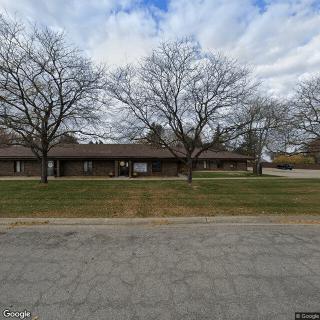
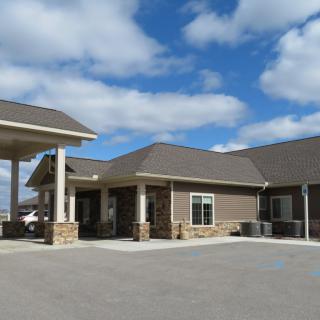
- A reviewer noted the facility did not look kept up and would not consider it for their mom.
Review
Jacobs Ladder in Grand Blanc is best suited for families seeking an intimate, hands-on care environment for a highly dependent, very elderly loved one, someone who needs steady daily support with feeding, hygiene, and attentive supervision more than medical or memory-care complexity. The community appears to work best when a resident can rely on a small, focused team that communicates with families and delivers compassionate, respectful care in a home-like setting. Those who value sincere caregiver relationships and are comfortable with a less-polished facility ambiance may find the fit here, particularly if the priority is dignified end-of-life or near-end-of-life attention.
Conversely, families with firm requirements around strict medication safety, robust MAR adherence, or a spotless, consistently maintained environment may want to explore alternatives. The strongest cautions from past reviews center on operational reliability: medication administration errors, delayed or inadequate communication during a health event, and a facility appearance that has not consistently met expectations. Also, a visitor policy that seems restrictive or awkward for extended family involvement can erode confidence for those who prioritize open access and transparent day-to-day oversight. In short, if safety protocols, maintenance, and visitor freedom are non-negotiable, consider other options.
On the plus side, several reviews spotlight genuinely compassionate, professional caregiving that makes a meaningful difference. When a resident and family describe care as “the best,” with emphasis on feeding, cleanliness, and respectful, attentive staff, those factors matter deeply for someone who cannot manage daily tasks alone. The accounts praising Christen and Vickie for respectful, professional communication suggest a level of continuity and personal attention that can translate into real peace of mind for families during stressful times. In long-term or end-of-life scenarios, that kind of relationship with caregivers often becomes the deciding factor between a good placement and persistent worry.
Yet the negatives cannot be dismissed. Recurrent concerns about MAR compliance and medication management are serious: over-administering pills and not following prescribed dosing can rapidly undermine safety and trust. The perception that critical health events were not promptly communicated to family, and the claim that a stroke was mishandled or misinterpreted, are red flags that shake confidence in a facility’s medical oversight. In addition, the repeated notes about an owner who limits visitation and a lack of upkeep at the premises contribute to a sense that expectations around safety, transparency, and environment may not be consistently met. These are not minor irritants; they strike at core expectations families have when entrusting care.
When weighing pros against cons, the equation tilts in favor of Jacobs Ladder only for families who prioritize personal, compassionate caregiving and are prepared to actively verify safety processes and environmental standards. For others, the combination of potential medication risk, communication gaps during critical events, and maintenance concerns suggests exploring options with stronger operational safeguards and higher consistency in daily care delivery. The community’s mixed track record, high praise from some families paired with troubling safety and upkeep narratives, calls for careful due diligence rather than a cursory visit.
Prospective clients should approach with a rigorous checklist: request a current, detailed medication-management policy and MAR review, observe a live medication pass, and interview front-line staff about daily routines and escalation procedures. Schedule meetings with the administrator to discuss visitation norms and incident-reporting practices. Inspect common areas and resident rooms for cleanliness and maintenance, and, if possible, speak with current residents or families about recent experiences. A trial period or short-term placement with clear goals can help determine if the staff’s bedside manner and family communication genuinely translate into dependable, safe care. Jacobs Ladder can be a strong, compassionate choice for the right family, but it demands proactive verification and alignment with safety, maintenance, and family involvement expectations.
 Active Adult Communities (55+)
 Bishop (9 miles away)


 Weight Training for Seniors: Building Strength and Vitality
 Understanding the Sandwich Generation: Stress and Responsibilities for Multigenerational Caregivers
 8 Essential Assistive Devices for Older Adults