
2246 McClure Cemetery Rd, Gladwin, MI 48624
To contact a resident: (989) 426-9712
For more information about senior living options: (866) 208-4318
Heavenly Homestead Adult Foster Care - South Costs & Pricing
Heavenly Homestead Adult Foster Care - South presents an appealing cost structure when compared to regional and state averages. The facility charges $2,000 per month for semi-private rooms, which is notably lower than the Roscommon County average of $2,449 and significantly more affordable than the statewide average of $3,191. For those seeking a one-bedroom accommodation, the monthly fee is set at $2,500; this also positions it favorably against local rates that average $2,508 and the Michigan state average of $3,384. These competitive pricing options reflect Heavenly Homestead's commitment to providing quality care while maintaining accessibility for residents in need.
| Floor plans | Heavenly Homestead Adult Foster Care - South | Roscommon County | Michigan |
|---|---|---|---|
| Semi-Private | $2,000 | $2,449 | $3,189 |
| 1 Bedroom | $2,500 | $2,508 | $3,384 |
Assisted Living communities with a similar price nearby
-
About the same

Heavenly Homestead Adult Foster Care - North
$2,000 to $2,500 / month7.7 miles away
Overall Review of Heavenly Homestead Adult Foster Care - South
Pros
 They provide excellent conditions and care.
- They really care for their residents.
- They treat residents like family in a relaxed, homelike setting.
- They keep a small group so every resident gets ample attention.
- They are very caring and attentive to their residents.
- They are extremely protective of the residents and prioritize their well-being.
- The facility is clean and the staff are kind and attentive.
- The owners and office staff are amazing.
Cons
 The facility was not a good place.
- The family cringed every time they visited there.
- It had a bad odor and was not clean.
- The food was gross and not well prepared.
- The staff were rude and uncooperative.
- There was no love or care from staff or owners.
- There were concerns about the number of deaths in their care.
- The only thing going for the place was affordability.
Review
Heavenly Homestead AFC - South in Gladwin, MI is best suited for families seeking a small, home-like environment where residents receive close, individualized attention from a tight-knit team. The community appears to work best for seniors who flourish in a non-institutional setting, prefer daily engagement, and value caregivers who treat residents like family. It is particularly appealing for families who want a home-based atmosphere with a sense of continuity and personal oversight, rather than a large, corporate-assisted-living experience.
Alternatives may be worth considering for residents with higher medical or rehabilitative needs, significant safety concerns, or expectations of consistently spotless facilities and broad programming. Several reviews highlight experiences that diverge sharply, from odor and cleanliness issues in one wing to claims of rude staff and a lack of genuine care. For individuals requiring robust medical therapy, memory care with specialized supervision, or frequent structured activities beyond occasional church services, other options may provide more predictable medical support and a more uniform daily schedule.
On the positive side, multiple reviews describe excellent conditions and genuine care when the atmosphere aligns with a family-owned, small-group model. Residents are said to receive ample attention because staff-to-resident ratios stay tight, and owners are viewed as personally invested. The presence of a visiting doctor each month, plus varied daily activities that keep minds engaged, stands out as a practical perk that supports overall well-being. A recurring thread praises the home-like environment, with artwork and personal warmth suggesting a place where daily life feels steady and dignified.
That said, the strongest cons carry enough weight to influence a decision depending on the resident’s needs. Some families report significant cleanliness and odor problems in the women’s area, with meals described as poorly prepared. Others describe staff as rude or uncooperative and question whether the facility functions more as a foster home than an appropriate setting for rehabilitation or serious medical oversight. Reports of falls and hospital visits, while not universal, raise legitimate safety concerns for residents who require vigilant supervision or fall-prevention measures. A few reviewers also note limited programming beyond Sunday church services, which could leave more active residents under-stimulated.
The key question becomes whether the pros truly offset the cons in a given case. For a resident who thrives on a tiny community feel, daily personal attention, and consistent kindness from a committed team, the positives can outweigh the negatives, particularly when the family can tolerate some variability in cleanliness or activity breadth. The long-term experiences of a severely mentally disabled cousin, including weight gain, seizure control, and ongoing happiness, illustrate what high-touch, attentive care can accomplish in the right fit. In such cases, the home-like setting and dedicated staff become not just comforting but life-changing. Yet those gains rely on stable operations and responsive leadership, which appear to vary across reviews.
For families evaluating Heavenly Homestead, a pragmatic diligence plan is essential. Visit more than once, including in the men’s and women’s areas if possible, and assess cleanliness, smell, and food quality with a critical eye. Speak with current residents and multiple staff members about daily routines, incident handling, and what happens when concerns arise. Request the current week’s activity calendar and a written care plan tailored to the loved one’s medical and behavioral needs. Clarify fall-prevention protocols, medication management practices, and how the facility coordinates with external doctors and specialists. Finally, compare cost structures and what is included, ensuring expectations align with the reality of supervision, care, and community life.
In sum, Heavenly Homestead AFC - South offers a compelling, heartfelt option for families prioritizing a warm, intimate, home-forward approach to senior care. When the resident fits a small-community model and benefits from highly attentive staff, the positives can be substantial and meaningful. However, for those with greater medical complexity, stronger needs for cleanliness assurances, or a desire for more comprehensive programming and safety measures, exploring alternatives is prudent. A careful, apples-to-apples assessment, driven by direct tours, candid resident conversations, and a clear care plan, will reveal whether this community is the right home or if another option better serves safety, health, and long-term quality of life.
 Assisted Living
 Activities on-site
 Devotional services off-site
 Indoor common areas
 Ambulatory care
 Diabetic care
 Meals provided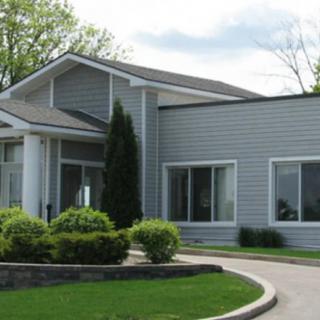
 Exploring the Contrasts Between Assisted Living and Skilled Nursing
 8 Key Indicators That Suggest It May Be Time to Transition from Assisted Living to Skilled Nursing Care
 Vibrant Senior Living: A Comprehensive Guide for Active Older Adults