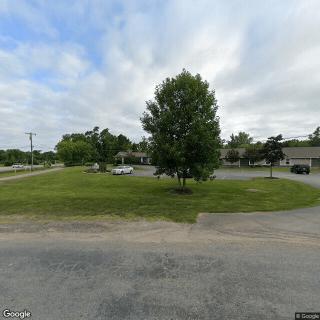
Stone Crest Senior Living Wing A is an assisted living and memory care community in Freeland, MI.
Information last verified:
255 North Main, Freeland, MI 48623
For more information about senior living options: (866) 208-4318
4.2 from 30 reviews
5 stars
23
4 stars
0
3 stars
1
2 stars
1
1 stars
5
Overall Review of Stone Crest Senior Living Wing A
common18 reviews mention this
Caregivers are frequently described
Residents and families often describe attentive, family-like care from staff.
Many reviews emphasize how much staff care, including treating residents with respect and working as a consistent team. Several families say they felt comfortable knowing care was handled day to day. Multiple reviews also describe staff as welcoming and easy to work with, with examples ranging from daily reassurance to helping families through major life moments.
common3 reviews mention this
Activities help residents stay engaged
Community activities and group events show up in residentsā€™ daily experience.
Reviews mention scheduled activities and group involvement, with residents encouraged to participate. Some reviews also point to events that extend beyond the community, including educational or seasonal gatherings. Church and holiday-style events are specifically referenced as part of the overall rhythm of life.
common7 reviews mention this
River views and a clean feel
The setting stands out, with frequent mentions of views and overall cleanliness.
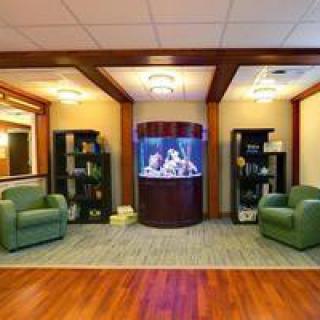
Several reviews highlight the appearance of the building and the comfort of the environment on arrival. Multiple residents and families also mention views from outdoor spaces, including river-facing areas and outdoor deck views. Cleanliness is called out directly in more than one review, reinforcing the impression that the community maintains a cared-for feel.
caveat5 reviews mention this
Staffing and safety concerns recur
Some reviewers report problems with staffing levels, safety, or basic food conditions.
A cluster of critical reviews describes staffing and supervision concerns, including allegations of an inadequate staff-to-resident ratio and safety issues. Others mention serious food-related problems and delays in communication during a death. There are also reviews questioning whether residents were properly monitored and fed, alongside claims that training and oversight were lacking.
common2 reviews mention this
Nearby essentials are close by
Daily conveniences and services appear nearby.
The area includes nearby options for prescriptions, dining, and routine medical care. There are also nearby parks for outdoor time, which can matter for residents and visitors when they want something nearby without traveling far.
How we summarize
Counts show how many written reviews mention each theme; a review can touch several themes, and only frequently mentioned themes are displayed.
Features
Housing
20 resident community capacity
Types of Care
Assisted Living
Board and Care Home
Memory Care
Amenities
Beauty salon
Cable or satellite TV
Dining room
Fully furnished
Garden
Housekeeping services
Kitchenette
Move-in coordination
Outdoor space
Telephone
Wi-Fi/high-speed internet available
Transportation
Mbs International (2 miles away)
Care Services
24-hour call system
24-hour supervision
Activities of daily living assistance
Assistance with bathing
Assistance with dressing
Assistance with transfers
Coordination with health care providers
Dementia waiver
Diabetes diet
Hospice waiver
Meal preparation and service
Medication management
Mental wellness program
Mild cognitive impairment
Special dietary restrictions
Specialized memory care programming
Transportation arrangement (medical)
Transportation to doctors appointments
Dining
Diabetes diet
Special dietary restrictions
Activities
Community-sponsored activities
Resident-run activities
Scheduled daily activities
Nearby Places of Interest
Located in the charming town of Freeland, Michigan, this area offers a variety of amenities for seniors looking to settle down. With several pharmacies nearby, accessing medication and healthcare services is convenient. There are also numerous dining options such as Burger King and Riverside Family Restaurant, providing easy access to meals. Places of worship like St Agnes Catholic Church and medical facilities like Freeland Family Medicine cater to spiritual and healthcare needs. Additionally, beautiful parks like Tittabawassee Township Park offer opportunities for outdoor recreation. The proximity to MBS International Airport ensures easy travel options, while hospitals like Covenant HealthCare provide peace of mind in case of emergencies. Cafes like Grove Tea Lounge offer a cozy space for socializing with friends. This area in Freeland provides a comfortable and accessible environment for seniors looking for a peaceful retirement setting.
Pharmacies
Freeland Pharmacy (0.1 miles)
Integrated Pharmacy Network (5.6 miles)
Auburn Pharmacy (6 miles)
Wackerly Pharmacy (6.1 miles)
Mc Laren Long Term Care Pharm (7.5 miles)
Meijer Pharmacy (7.8 miles)
CVS Pharmacy (7.9 miles)
Restaurants
Burger King (0.1 miles)
Riverside Family Restaurant (0.2 miles)
2nd Street Sports Pub (0.5 miles)
Little Caesars Pizza (0.6 miles)
McDonald's (0.8 miles)
McDonald's (5.3 miles)
O's Pub & Grill (6.1 miles)
Places of Worship
St Agnes Catholic Church (0.2 miles)
La Porte United Methodist Church (3.9 miles)
Messiah Lutheran Church (6.8 miles)
Mid Michigan Singh Sabha (7.7 miles)
Emmanuel Baptist Church (8 miles)
Community Baptist Church (8 miles)
Calvary Baptist Church (8.2 miles)
Physicians
Freeland Family Medicine (0.9 miles)
Freeland Primary Care (0.9 miles)
Midmichigan Physicians Group (2.8 miles)
Nicholas Adam Serenity Bay Health Auburn (5.7 miles)
Auburn Family Eyecare (5.7 miles)
Great Lakes Bay Surgery & Endoscopy Center (5.9 miles)
The features offered by Stone Crest Senior Living Wing A are designed to create a supportive and nurturing environment tailored to the unique needs of residents with dementia or Alzheimer's disease. Assistance with dressing, bathing, and transfers ensures that individuals receive the personal care they require while maintaining their dignity. Medication management and coordination with healthcare providers ensure that medical needs are met consistently, fostering stability in their health condition. Meal preparation and service are customized to cater to dietary preferences and restrictions, promoting nutritional well-being. Transportation arrangements facilitate access to medical appointments, essential for ongoing health monitoring. The 24-hour supervision provides a safety net for those prone to wandering or confusion, while specialized memory care programming and a mental wellness program engage residents' cognitive abilities in meaningful ways. Together, these services support both daily living activities and overall quality of life for those experiencing varying stages of cognitive decline.
Nearby Communities
Riverwood Assisted Living
Freeland, MI
5 from 4 reviews
$2,500 / month
Competitive $2,500/mo Memory Care; tranquil setting with nearby pharmacy, physicians, restaurants, parks, and places of worship.
River Ridge Residential Center
Freeland, MI
4 from 20 reviews
Intimate 24/7 assisted living with personalized care, meals, housekeeping, move-in help, and transportation for medical appointments.
Homewatch Caregivers
Freeland, MI
4.2 from 12 reviews
Excellent access to parks, pharmacy, geriatric physicians, dining options, transportation, and places of worship with attentive staff.
Barton Woods Assisted Living East
Freeland, MI
5 from 6 reviews
Comprehensive care with diverse on-site amenities (salon, dining, activities, garden) and coordinated medical support, plus transportation to appointments.
Barton Woods Assisted Living
Freeland, MI
4.3 from 9 reviews
Engaging community with attentive staff and spacious private rooms.
Navaho Trail Home
Hemlock, MI
Intimate six-bed community with chef-prepared meals and comprehensive care
Auburn Heights Senior Care
Auburn, MI
Close-knit community with shared meals; clean, well-furnished rooms; engaging activities.
Community Village
Saginaw, MI
4 from 11 reviews
$1,891 to $2,201 / month
Friendly staff, clean environment, and engaging daily activities.
Stratford Pines Nursing And Rehabilitation Center
Midland, MI
3.7 from 44 reviews
Some residents and families report attentive staff, clean facilities, and engaging programs.
Dementia encompasses a range of cognitive impairments characterized by types such as Alzheimer's and vascular dementia, and follows a seven-stage progression model known as the Global Deterioration Scale (GDS), highlighting varying symptoms and decline timelines. Early detection allows for lifestyle adjustments to potentially slow progression, while caregivers need support and resources to manage the challenges involved in caring for affected individuals.
The article presents eight strategies for preserving cognitive health and memory in older adults, emphasizing a nutrient-rich diet, regular exercise, intellectually stimulating activities, adequate sleep, social connections, stress management techniques, limiting harmful substances, and regular medical checkups to mitigate age-related memory decline.
Activities of Daily Living (ADLs) are fundamental tasks vital for an individual's independence, particularly in older adults over 85, and include functions like bathing and dressing; assessing ADLs alongside Instrumental Activities of Daily Living (IADLs) helps determine the level of required assistance due to age-related health challenges. Tailored support plans, involving family and community resources, are essential for maintaining dignity and autonomy in assisted living environments.
Get PricingAsk A QuestionSchedule A TourContact Senior Advisor
By clicking submit, you agree to our Partner's Terms of Use. You
also consent to receive calls and texts, which may be autodialed, from our Partner. Your consent is not a condition to
using our Partner's service. Please visit our Partner's Privacy Policy for information about their privacy practices.

 20 resident community capacity
 Assisted Living
 Board and Care Home
 Memory Care
 Beauty salon
 Cable or satellite TV
 Dining room
 Fully furnished
 Garden
 Housekeeping services
 Kitchenette
 Move-in coordination
 Outdoor space
 Telephone
 Wi-Fi/high-speed internet available
 Mbs International (2 miles away)
 24-hour call system
 Activities of daily living assistance
 Assistance with bathing
 Assistance with dressing
 Assistance with transfers
 Diabetes diet
 Hospice waiver
 Meal preparation and service
 Medication management
 Mental wellness program
 Special dietary restrictions
 Transportation arrangement (medical)
 Transportation to doctors appointments
 Competitive $2,500/mo Memory Care; tranquil setting with nearby pharmacy, physicians, restaurants, parks, and places of worship.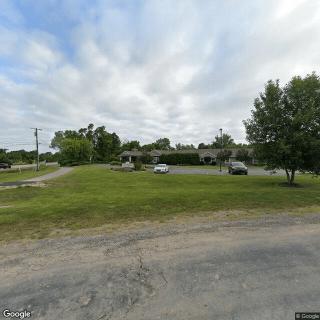

 Understanding Dementia Through Its Seven Stages: A Comprehensive Look at Progression and Expectations
 Safeguarding Your Memory Through the Golden Years: Eight Ways to Preserve Cognitive Health
 Comprehensive Insights into Activities of Daily Living (ADLs) and Their Assessment