Sanctuary At Fraser Villa

Save
Sanctuary At Fraser Villa

Sanctuary At Fraser Villa

33300 Utica Road, Fraser, MI 48026

For more information about senior living options: (844) 490-3973

3.2 from 100 reviews
5 stars
48
4 stars
6
3 stars
4
2 stars
6
1 stars
36

Assisted Living Board and Care Home Memory Care Respite Care Skilled Nursing Facility

What level of care are you interested in?

Assisted Living

Memory Care

Independent Living

Skilled Nursing Facility

Continuing Care Retirement Community (CCRC)CCRC

Other


Request a tour at Sanctuary At Fraser Villa

    Overall Review of Sanctuary At Fraser Villa

    Pros

    • pro The nursing staff is amazing and works hard.
    • pro Fraser Villa took excellent care of my grandmother during her stay.
    • pro My grandmother absolutely loved everyone who cared for her; the staff genuinely care about residents.
    • pro The food was very good, and the facility was clean and well-kept.
    • pro A relative had a wonderful experience with very nice staff and great food.
    • pro The facility appeared clean and generally well maintained, with compassionate and attentive staff.
    • pro Narmen went above and beyond, helping the family and treating them with honor and integrity.
    • pro The facility has an excellent rehabilitation program, and the staff were kind, supportive, and helpful.

    Cons

    • pro Fraser Villa has been described as one of the worst establishments, with nurses berating patients and showing little concern for their well-being.
    • pro The physical therapy department is described as awful, including misreporting a patient's ability to walk and discharging someone who cannot walk unaided.
    • pro The head of rehab is said to need firing for a lack of compassion and dishonest reporting.
    • pro The overall experience is characterized as worse than hell, with extremely bad treatment and no respect for elders.
    • pro Staffing is reportedly severely inadequate, with nurses and aides responsible for up to 12 patients, leading to delays and poor care.
    • pro Patients are left in soiled conditions for hours due to long bathroom delays and being forgotten in the bathroom.
    • pro Infections such as UTIs are not promptly treated, with delays spanning days.
    • pro Some staff were observed sleeping, eating, or using phones while patients were unattended.
    • pro A patient allegedly almost died due to neglect and failure to properly manage wounds and rehab.
    • pro A patient was discharged with pain or an injury (e.g., broken pelvis) and without appropriate post-discharge care.
    • pro The food was described as atrocious and the facility not consistently clean.

    Review

    Fraser Villa elicits a wide spectrum of experiences from families who entrust their loved ones to its care. On one end of the scale, some reviewers describe the facility as a grave disappointment, or even a nightmare, where residents are treated with disrespect and neglect. They recount nurses who berate patients, speak down to them, and fail to prioritize their well-being. In these accounts, families felt compelled to move relatives out early due to harsh treatment, and some even used very strong language to express their frustration, including fears that oversight agencies should intervene or that legal action might be pursued. The tone is often one of anger and shock at what they perceived as a lack of compassion, dignity, and basic safety.

    A smaller but vocal portion of reviewers, by contrast, share experiences that lean positive, praising specific staff members and aspects of Fraser Villa. They highlight nursing staff who they say are dedicated, caring, and attentive, and note that certain individuals - such as Sandy, Ally, Jessica, and a social worker named Narmen - stood out for their kindness and professionalism. Some families emphasize the warmth and genuine concern shown by particular caregivers, even if their overall impression of the facility is more mixed. In these stories, the atmosphere at Fraser Villa is variable, but there is a thread of gratitude directed toward those who went above and beyond for residents.

    The rehabilitation department, in particular, emerges as a source of contention. Several reviews depict the rehab experience as inconsistent or inadequate, with some parents and spouses reporting that therapists did not align with the resident's actual abilities. For example, there are claims that a patient was reported as able to walk with a walker when, in reality, she could not, and that a discharge occurred despite ongoing needs or misjudgments about functional status. Accusations about broken bones discovered only after discharge add to the sense of alarm for families who worry about the timing and safety of transitions back into home-based care. Yet other comments acknowledge that the rehab program can be strong and effective when the right therapists and administrators are involved, underscoring that outcomes appear highly dependent on the staff in charge during a given stay.

    Stories about the facility's operations and day-to-day care further illustrate the split experiences. Some reviewers describe long wait times for basic tasks, such as assistance to the bathroom, and observe staff who are reportedly overwhelmed by staffing shortages, sometimes managing as many as a dozen patients per caregiver. Allegations of staff idleness - being seated at stations, eating, or using phones instead of attending to residents - contrast with accounts that admire the persistence and dedication of other team members. There are also candid mentions of systemic gaps, including delayed responses to call bells and inconsistent communication with families, social workers, and physicians, all of which contribute to a sense of uncertainty and distress for loved ones.

    Quality of life factors - food, cleanliness, and daily activities - are another axis along which reviews diverge. Some families praise Fraser Villa for clean facilities and engaging daily activities, with remarks about good food and a well-kept environment. A few accounts emphasize that meals and hospitality were thoughtfully managed, even describing moments where staff accommodated late transfer requests or went out of their way to ensure a resident was cared for around meal hours. Conversely, other reviewers describe subpar dining experiences and poor food quality, with some labeling the meals as unacceptable. The contrast between these perspectives suggests that food service and housekeeping can vary significantly from shift to shift or from unit to unit within the same facility.

    Discharge planning and continuity of care also feature prominently in the narratives. Several reviewers recount difficulties coordinating home health care and ongoing treatment after leaving Fraser Villa. In some cases, families report that discharge planning fell through - insufficient home care arrangements, delayed or missing communications with doctors, and the lack of timely follow-up after a resident's return home or transfer to another setting. There are also stories of aggressive actions taken by the family to rectify problems, including seeking outside medical care for pressing needs and pursuing alternative arrangements when Fraser Villa did not meet expectations. These experiences underscore the fragility of post-discharge arrangements and the importance of thorough, proactive care coordination.

    Overall, the collective voice about Fraser Villa is not uniform. It is a landscape of stark contrasts: households that felt betrayed by care and others that felt genuinely supported by compassionate staff. The most vivid impressions come from specific individuals - both those who were praised for their empathy and competency and those who were criticized for a perceived lack of professionalism or attentiveness. What becomes clear is that the quality of care at Fraser Villa seems highly dependent on individual nurses, aides, therapists, and administrators, as well as on the particular unit and the timing of shifts. For families weighing Fraser Villa as an option, this means asking pointed questions about staffing levels, response times, rehabilitation practices, discharge planning, and the process for escalating concerns.

    In the end, Fraser Villa stands as a place of sharp contrasts: stories of extraordinary kindness and thorough care sit alongside experiences of neglect and procedural missteps. Prospective residents and their families are left to navigate a complex picture, where the difference between a positive stay and a negative one may hinge on the specific team assigned to a resident, the day-to-day culture of a particular unit, and how proactively the facility engages with families about care plans, safety, and post-discharge needs. As with many long-term care and rehabilitation facilities, careful due diligence, direct conversations with staff, and a clear understanding of expectations appear essential to forming a realistic assessment of what Fraser Villa can offer.

    Features

    Housing

    • 16 resident community capacity 16 resident community capacity

    Types of Care

    • Assisted Living Assisted LivingAssisted living facilities provide crucial support and care for seniors who may need help with daily tasks such as medication management, bathing, and meal preparation. These communities offer a safe and comfortable environment where seniors can maintain their independence while receiving the assistance they need to thrive in their golden years.
    • Board and Care Home Board and Care HomeBoard and care homes provide a smaller, more intimate setting for seniors who require assistance with daily tasks but do not need the level of care offered by a nursing home. They offer personalized care, meals, and social activities in a homelike environment, ensuring that seniors receive individualized attention and support in their golden years.
    • Memory Care Memory CareMemory care is crucial for seniors as it provides specialized support and services for individuals with dementia or Alzheimer's disease. These programs offer a safe and secure environment where residents receive personalized care, cognitive stimulation, and help with daily activities. Memory care helps seniors maintain their independence, quality of life, and dignity while also providing peace of mind for their families.
    • Respite Care Respite CareRespite care provides temporary relief for caregivers, allowing them to recharge and attend to their own needs. It also gives seniors the opportunity to socialize, receive professional care, and experience a change of scenery, promoting overall well-being and reducing feelings of isolation.
    • Skilled Nursing Facility Skilled Nursing FacilitySkilled Nursing Facilities are crucial for seniors as they provide round-the-clock medical care, rehabilitation services, and assistance with daily activities. These facilities ensure that seniors receive the specialized care they need to maintain their health and well-being as they age.

    Amenities

    • Cable or satellite TV Cable or satellite TVCable or satellite TV is important for seniors because it provides entertainment, news, and companionship, helping to combat loneliness and boredom. It also offers a wide range of programming options tailored to different interests and preferences.
    • Dining room Dining roomDining rooms are important for seniors as they provide a space for socialization, connection, and nutritious meals. They offer opportunities for residents to bond over shared meals, foster a sense of community, and promote healthy eating habits. Dining rooms also ensure that seniors have access to well-balanced meals tailored to their dietary needs and preferences.
    • Fully furnished Fully furnishedFully furnished senior living communities are important for seniors because they provide convenience, comfort, and a hassle-free moving experience. Seniors can easily settle into their new living space without the stress of having to buy and move furniture. This allows them to focus on enjoying their new home and community.
    • Garden GardenGardens are important for seniors as they provide a peaceful and therapeutic environment for relaxation, physical activity, and socialization. Being in nature has been shown to reduce stress, improve mood, and promote overall well-being. Gardens also offer opportunities for seniors to engage in gardening activities, which can improve mobility, flexibility, and cognitive function. Additionally, gardens create a sense of community and connection with others who share a passion for plants and outdoor spaces.
    • Housekeeping services Housekeeping servicesHousekeeping services are important for seniors because they help maintain a clean and safe living environment, promote independence, and reduce the risk of accidents or illnesses. Additionally, having assistance with household chores can alleviate physical strain and allow seniors to focus on other aspects of their well-being.
    • Move-in coordination Move-in coordinationMove-in coordination is important for seniors because it helps ease the transition into their new living environment. It ensures that all logistics, such as packing, organizing movers, and setting up utilities are taken care of, allowing seniors to focus on settling in and adjusting to their new home. Having a smooth move-in process can alleviate stress and anxiety, making the transition smoother and more enjoyable for seniors.
    • Outdoor space Outdoor spaceOutdoor spaces are important for seniors as they provide opportunities for physical activity, social interaction, exposure to natural light and fresh air, and a sense of connection to nature. Having access to outdoor spaces can improve overall well-being and quality of life for older adults living in senior communities.
    • Telephone TelephoneTelephones are important for seniors as they provide a lifeline for communication with loved ones, emergency services, and healthcare providers. They offer a sense of security and independence, enabling seniors to stay connected and access assistance when needed.
    • Wi-Fi/high-speed internet available Wi-Fi/high-speed internet availableWi-Fi/high-speed internet is important for seniors to stay connected with loved ones, access online resources, and participate in virtual activities to combat feelings of loneliness and isolation. It also allows them to easily manage healthcare needs, access entertainment, and engage in lifelong learning opportunities.

    Care Services

    • 24-hour supervision 24-hour supervision24-hour supervision is important for seniors to ensure their safety, well-being, and access to immediate assistance in case of emergencies or health issues. This constant support provides peace of mind for both seniors and their loved ones, allowing them to age in place with dignity and security.
    • Activities of daily living assistance Activities of daily living assistanceActivities of daily living assistance are important for seniors because they provide essential support with tasks such as eating, bathing, dressing, and mobility. This assistance helps seniors maintain their independence, dignity, and overall quality of life as they age.
    • Assistance with bathing Assistance with bathingAssistance with bathing is crucial for seniors as it helps maintain personal hygiene, prevents infections, and ensures their overall well-being and comfort. It also provides a sense of dignity and independence for seniors who may struggle with this task on their own.
    • Assistance with dressing Assistance with dressingAssistance with dressing is important for seniors because it helps maintain their independence, promotes personal hygiene, prevents accidents and injuries, and improves overall quality of life. This service ensures that seniors can continue to dress comfortably and confidently, despite any physical limitations they may have.
    • Assistance with transfers Assistance with transfersAssistance with transfers is crucial for seniors as it helps prevent falls and injuries, maintains their independence, and ensures they can safely navigate their living environment. It also provides peace of mind for both seniors and their loved ones.
    • Coordination with health care providers Coordination with health care providersCoordination with health care providers is crucial for seniors to ensure proper medical care, medication management, and overall well-being. This collaboration helps prevent overlapping treatments, track progress more effectively, and provide comprehensive support tailored to individual needs.
    • Dementia waiver Dementia waiverDementia waivers are essential for seniors as they provide critical protections and accommodations for those experiencing cognitive decline. These waivers ensure individuals with dementia receive appropriate care, support, and resources to maintain their quality of life and dignity as they navigate the challenges of this progressive condition.
    • Diabetes diet Diabetes dietA diabetes diet is crucial for seniors as it helps manage blood sugar levels, reduce risks of complications, and improve overall health and well-being. By following a balanced and nutritious diet tailored to their specific needs, seniors can better control their diabetes and enhance their quality of life.
    • Hospice waiver Hospice waiverHospice waivers are important for seniors because they allow individuals to receive specialized end-of-life care and support at home or in a hospice facility. This waiver ensures that seniors can access the necessary resources and services to maintain comfort and dignity during their final days.
    • Meal preparation and service Meal preparation and serviceMeal preparation and service are crucial for seniors as they may have limited mobility or energy to cook nutritious meals. Having access to healthy and convenient food options can ensure they are getting the proper nutrition needed to maintain their overall health and well-being.
    • Medication management Medication managementMedication management is crucial for seniors to ensure they are taking the right medications at the correct dosages and times. This helps prevent adverse drug interactions, reduces the risk of medication errors, and promotes overall health and well-being. Proactive management also allows for adjustments as needed based on changing health conditions or new prescriptions.
    • Mental wellness program Mental wellness programMental wellness programs are essential for seniors as they promote cognitive stimulation, emotional support, and social engagement. These programs help prevent isolation, depression, and cognitive decline, ultimately enhancing the overall quality of life for older adults.
    • Mild cognitive impairment Mild cognitive impairment"Mild cognitive impairment" is important for seniors because it is an early stage of cognitive decline that can potentially progress to more severe conditions such as dementia. Recognizing and addressing mild cognitive impairment can help seniors receive appropriate care and support to maintain their quality of life and independence for as long as possible.
    • Special dietary restrictions Special dietary restrictionsSpecial dietary restrictions are important for seniors because age-related changes in metabolism and health conditions can make it difficult for their bodies to process certain foods. By following a diet tailored to their specific needs, seniors can maintain their overall health and well-being, manage chronic conditions, and reduce the risk of complications such as malnutrition or food interactions with medications.
    • Specialized memory care programming Specialized memory care programmingSpecialized memory care programming is crucial for seniors with cognitive impairments such as dementia or Alzheimer's disease. These programs provide a safe and supportive environment tailored to the unique needs of individuals with memory loss, helping them maintain their independence, dignity, and quality of life.
    • Transportation arrangement (medical) Transportation arrangement (medical)Transportation arrangements for medical purposes are essential for seniors as they may have difficulty driving themselves to appointments or accessing public transportation. Having reliable and safe transportation options ensures that seniors can receive timely medical care and maintain their health and well-being.
    • Transportation to doctors appointments Transportation to doctors appointmentsTransportation to doctors' appointments is crucial for seniors as it ensures they have access to necessary medical care and support for their health needs. Without reliable transportation, seniors may struggle to attend important appointments, leading to potential delays in treatment and health complications. Providing transportation services helps seniors maintain their overall well-being and quality of life.
    Dining

    • Diabetes diet Diabetes dietA diabetes diet is crucial for seniors as it helps manage blood sugar levels, reduce risks of complications, and improve overall health and well-being. By following a balanced and nutritious diet tailored to their specific needs, seniors can better control their diabetes and enhance their quality of life.
    • Special dietary restrictions Special dietary restrictionsSpecial dietary restrictions are important for seniors because age-related changes in metabolism and health conditions can make it difficult for their bodies to process certain foods. By following a diet tailored to their specific needs, seniors can maintain their overall health and well-being, manage chronic conditions, and reduce the risk of complications such as malnutrition or food interactions with medications.

    Activities

    • Community-sponsored activities Community-sponsored activitiesCommunity-sponsored activities are important for seniors as they provide opportunities for social interaction, mental stimulation, and physical activity. These activities can help improve overall well-being, combat loneliness and isolation, and promote a sense of belonging and purpose among older adults.
    • Scheduled daily activities Scheduled daily activitiesScheduled daily activities are important for seniors because they provide structure, socialization, mental stimulation, and physical activity. Engaging in regular activities can improve overall well-being and quality of life for seniors living in a community setting.

    Description

    Sanctuary At Fraser Villa is a warm and inviting assisted living community located in Fraser, MI. We offer a variety of care options including board and care home, memory care, respite care, and skilled nursing facility services.

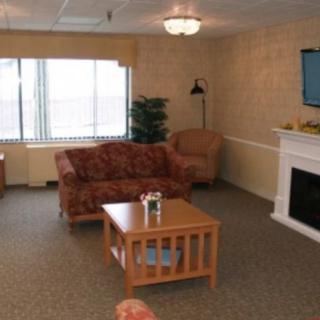
    Our community boasts a range of amenities to ensure our residents' comfort and enjoyment. Our dining room provides delicious and nutritious meals that accommodate special dietary restrictions. Each living space is fully furnished, providing a cozy and welcoming atmosphere. Our well-maintained garden and outdoor spaces offer a peaceful environment for relaxation or socializing. Housekeeping services are provided to maintain a clean and tidy living environment. Additionally, we offer move-in coordination assistance to make the transition into our community as smooth as possible. Residents can also enjoy access to telephone service and Wi-Fi/high-speed internet.

    At Sanctuary At Fraser Villa, our dedicated staff provides personalized care services tailored to each individual's needs. We offer assistance with activities of daily living such as bathing, dressing, transfers, and medication management. Our team also coordinates with healthcare providers to ensure comprehensive care for our residents. For those with dementia or memory-related conditions, we have specialized memory care programming designed to promote mental wellness and engagement. We also provide support for diabetes management through specialized diets.

    Transportation arrangements for medical appointments are available to ensure that residents can attend necessary healthcare visits conveniently. In terms of nearby conveniences, we are fortunate to have numerous cafes, parks, pharmacies, physicians' offices, restaurants, places of worship, theaters, and hospitals located close by.

    Our community prides itself on creating an engaging lifestyle for our residents. Scheduled daily activities are offered to promote socialization and well-being.

    Come visit Sanctuary At Fraser Villa and discover the exceptional assisted living experience we provide in Fraser, MI.

    Nearby Places of Interest

    Pharmacies

    • CVS Pharmacy (0.3 miles)
    • Meijer Pharmacy (0.8 miles)
    • Meijer Pharmacy (0.8 miles)
    • Walgreens (1.3 miles)
    • CVS Pharmacy (1.5 miles)
    • Walgreens (1.7 miles)
    • CVS Pharmacy (2 miles)

    Restaurants

    • El Charro Mexican Restaurant (0.3 miles)
    • Great Baraboo Brewing Company (1.4 miles)
    • Applebee's (2.1 miles)
    • Chipotle Mexican Grill (2.1 miles)
    • Qdoba Mexican Eats (2.2 miles)
    • McDonald's (2.3 miles)
    • Culver's (2.7 miles)

    Parks

    • McKinley Park (1.1 miles)
    • Clinton Township Parks & Recreation (3.9 miles)
    • Dodge Park (4.6 miles)
    • Lac St Claire Park (4.8 miles)
    • Wilson Park (4.9 miles)
    • Center Line Memorial Park (5.9 miles)

    Cafes

    • Biggby Coffee (1.9 miles)
    • Panera Bread (2.2 miles)
    • Tim Hortons (4 miles)
    • Starbucks (4.6 miles)
    • Starbucks (5.3 miles)
    • Starbucks (5.8 miles)
    • Panera Bread (6.2 miles)

    Physicians

    • Henry Ford Macomb Family Medicine & Gynecology (2 miles)
    • Beaumont East Area Family Physicians (2.7 miles)
    • McLaren Building (3.7 miles)
    • Midwest Center For Dermatology (5.4 miles)
    • Mmi Dr M Chen (5.5 miles)
    • Partridge Creek Center For Womens Health (6 miles)

    Theaters

    • AMC Star Gratiot 15 (3 miles)
    • MJR Partridge Creek Digital Cinema 14 (5.7 miles)

    Hospitals

    • St John Macomb Hospital (3.6 miles)
    • St John Macomb-Oakland Hospital Warren Emergency Care (3.6 miles)
    • McLaren Macomb - Emergency Department (4.3 miles)

    Places of Worship

    • Lakeside Community Church (4.4 miles)
    • Trinity Lutheran Church (5.2 miles)
    • St Peter Catholic Church (5.6 miles)

    Frequently Asked Questions

    Where is Sanctuary At Fraser Villa?
    Does Sanctuary At Fraser Villa provide care for residents with dementia or Alzheimer's disease?

    Nearby Communities

    Related Resources

    • dementia paranoiaDementia, Paranoia, and Caregiver Guidance: Understanding the Connection

      Dementia encompasses progressive neurological disorders that impair cognitive functions and can lead to paranoia due to cognitive decline and emotional changes. The article discusses the triggers of paranoia in dementia, caregiver strategies for managing it, and the importance of distinguishing between dementia-related paranoia and other psychiatric conditions.

    • memory care activitiesEngaging Memory Care Activities That Enhance Quality of Life

      Memory care activities are essential for improving the quality of life of seniors with cognitive impairments, as they stimulate cognitive function, promote well-being, and encourage social interaction through tailored strategies. These activities combine structured exercises with spontaneous tasks, sensory engagement, physical workouts, creative pursuits, and intergenerational interactions to enhance emotional connection and a sense of purpose.

    • when to move from assisted living to memory careWhen to Transition from Assisted Living to Memory Care: Key Indicators, Steps, and Finding the Right Community
      Transitioning from assisted living to memory care is driven by an individual's cognitive decline and specific needs, requiring careful evaluation of indicators like increased confusion and wandering. The process involves consulting medical professionals, researching suitable communities, considering financial and legal aspects, and ensuring effective communication for personalized care plans.


    Get Pricing Ask A Question Schedule A Tour Contact Senior Advisor