Lakeshore Woods

Save

Lakeshore Woods in Fort Gratiot, MI

4851 Lakeshore Road, Fort Gratiot, MI 48059

For more information about senior living options: (844) 490-3973

4.5 from 53 reviews
5 stars
44
4 stars
3
3 stars
0
2 stars
0
1 stars
6

Assisted Living Memory Care

Overall Review of Lakeshore Woods

Pros

  • pro The staff at Lakeshore Woods are wonderful, caring, and attentive.
  • pro Lakeshore Woods stands out as a top choice among assisted living options.
  • pro Residents quickly come to love this new home and the staff.
  • pro Families can rest easy knowing their loved ones are safe.
  • pro The staff are knowledgeable, respectful, and genuinely care about residents and their families.
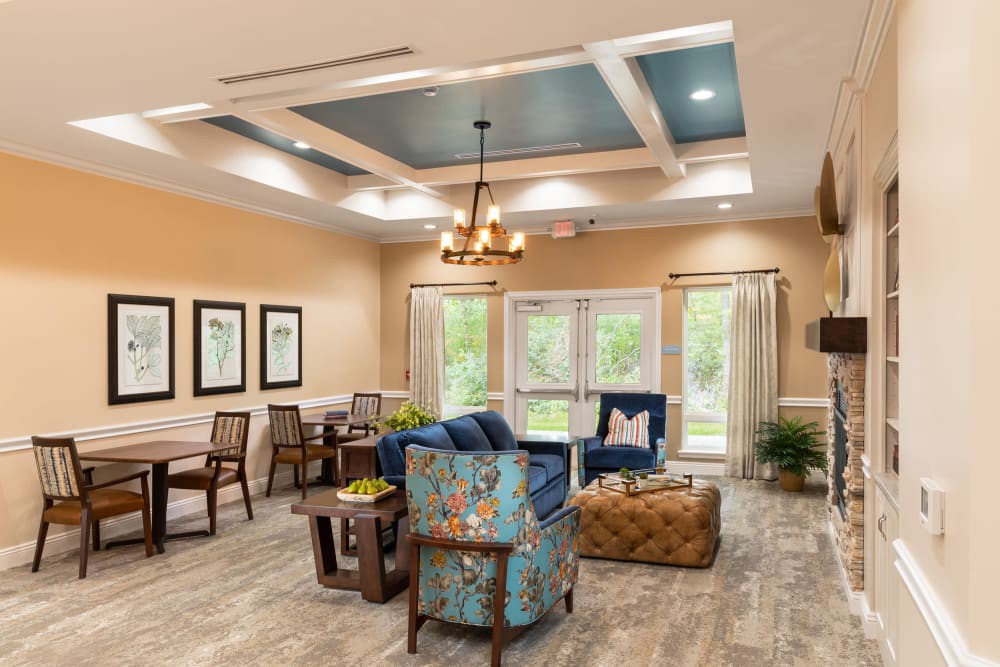
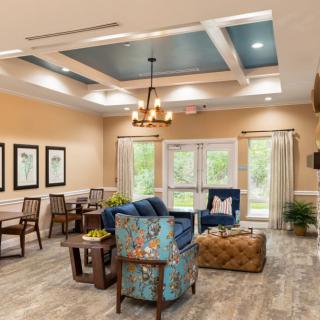
  • pro The facility is clean, comfortable, and thoughtfully designed, with inviting common areas and cozy private rooms.
  • pro A variety of daily activities keeps residents engaged and socially connected.
  • pro The care staff and Med-Techs know residents well to provide the best care possible.
  • pro The administration is hands-on, supportive, and attentive to residents' needs.
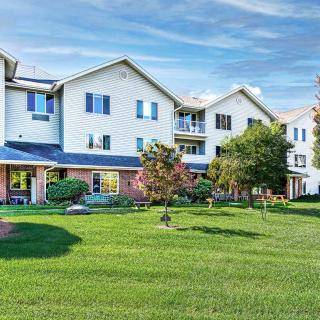
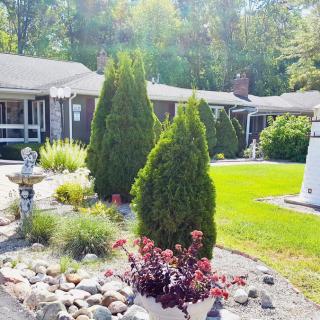
  • pro The campus features beautiful landscaping and a homey atmosphere.
  • pro The dining options are appealing, with tasty meals and ample menus; rooms offer private living spaces and conveniences.
  • pro Many families report that Lakeshore Woods feels like a family and highly recommend it.

Cons

  • pro A reviewer warned not to send anyone you love to Lakeshore Woods, calling it a ran-down place with abuse and mistreatment and alleging staff are overworked and fired.
  • pro A reviewer described the level of staff professionalism as insane.
  • pro A reviewer cautioned that caregivers might not be fully certified or licensed.
  • pro A reviewer reported a 40% increase after one year and an added $1,500 custom level-of-care fee despite no change in care.
  • pro A reviewer noted Lakeshore Woods is more expensive than most places.
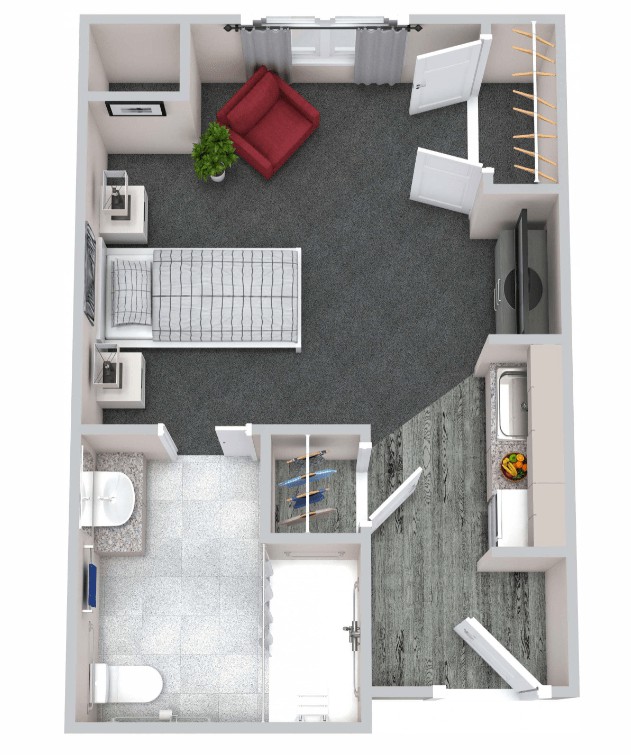
  • pro A reviewer stated they would not be content with the size of the room.

Review

Lakeshore Woods is best suited for families seeking a warm, home-like assisted living where residents stay engaged through daily activities, meaningful relationships with staff, and apartment-style living. The community shines for seniors who want a comfortable, non-clinical environment with safe, attentive care and abundant social opportunities. Memory-care support is a clear strength, with caregivers described as patient, responsive, and genuinely attuned to changing needs. The setting reinforces independence without isolation: woodsy grounds, well-kept common spaces, inviting dining areas, and transportation that makes appointments and outings feasible. This is not a sterile facility; it reads as a welcoming neighborhood where residents can settle in, participate, and feel "at home" from day one.

That said, Lakeshore Woods may not be the best fit for every budget or every care trajectory. The price point is a practical hurdle for many families, with several reviewers noting it sits higher than regional peers. Complicating the calculus are reports of a substantial fee increase after the first year, plus a so-called custom level-of-care charge that can appear on the bill. A few reviews also flag staffing concerns or management gaps, including assertions of inconsistent professionalism. While these voices are not universal, they create a meaningful caveat: cost and governance should be verified in writing and monitored closely, especially for families prioritizing financial predictability and steady oversight.

The strongest pro-conversation centers on the care culture and daily life. The pros notably offset the cons for many families: a staff that feels genuinely connected to residents, a clean, aesthetically pleasing campus, and apartment-like private rooms that emphasize comfort. The dining program earns praise for variety and quality, and there is a robust slate of activities - exercise, arts and crafts, social events, spiritual programming - that keep residents connected and mentally engaged. Families repeatedly highlight easy transitions, open communication with administrators, and a sense that staff treat residents with dignity and warmth. In memory care, the care ethos is consistently described as respectful, attentive, and solution-oriented.

That care quality often blends seamlessly with practical conveniences: transportation to appointments, on-site services such as a salon and restaurant, and staff who are available to coordinate medications and daily routines. The "home away from home" feel is reinforced by testimony from families who say their loved ones become more content and social after moving in, with staff who welcome family visits and keep lines of communication open. Yet the positive experience sometimes hinges on the particular floor, shift, or caregiving team, which means prospective residents should talk with multiple staff members, sit in on activities, and observe how the building functions on a typical day before deciding.

For memory-care planning, Lakeshore Woods often rises to the top of the short list. Several reviews recount smooth transitions into memory units and ongoing, compassionate support, with administrators actively involved in tailoring care. The environment appears to support routine, stability, and meaningful engagement - factors many families prioritize when cognitive decline is a factor. Still, it remains essential to verify unit specifics: staffing ratios, training credentials, and the exact scope of memory-care programming, since experiences can vary by unit and staff assignment. Prospective families should request a current memory-care care plan and talk with direct caregivers about daily routines.

The bottom line is clear: Lakeshore Woods is an excellent option for families who want a warm, active, home-like setting with strong staff relationships and a memory-care pathway, and who are comfortable with a premium price and the potential for occasional governance fluctuations. For households with strict budget constraints, a preference for consistently predictable pricing, or heightened sensitivity to staffing variability and administrative changes, exploring alternatives is prudent. The community's strengths - compassionate care, engaging activities, and a welcoming atmosphere - make it a compelling choice, but the decision warrants careful due diligence: review the current pricing in writing, meet several members of the care team, tour during a typical weekday, and compare contracts and service inclusions against nearby options to ensure alignment with long-term needs and finances.

Features

Housing

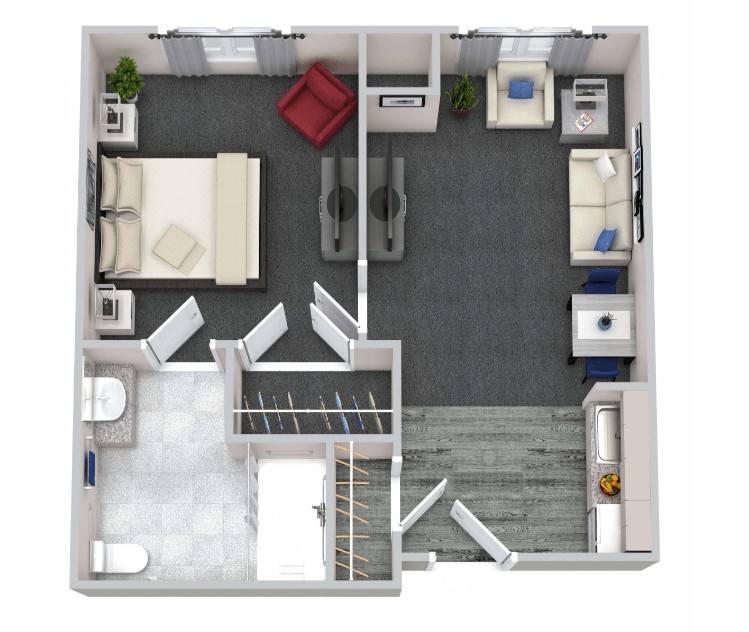
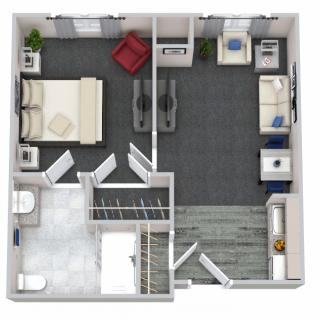
  • 1-bedroom apartments 1-bedroom apartments1-bedroom apartments are important for seniors because they provide a sense of independence, privacy, and autonomy while still offering the necessary space for comfortable living. These apartments allow seniors to maintain their own personal space and lifestyle preferences in a supportive community setting.
  • 2-bedroom apartments 2-bedroom apartments2-bedroom apartments are important for seniors because they provide extra space for guests, hobbies, and caregivers, as well as potential for additional income through roommates or rental.
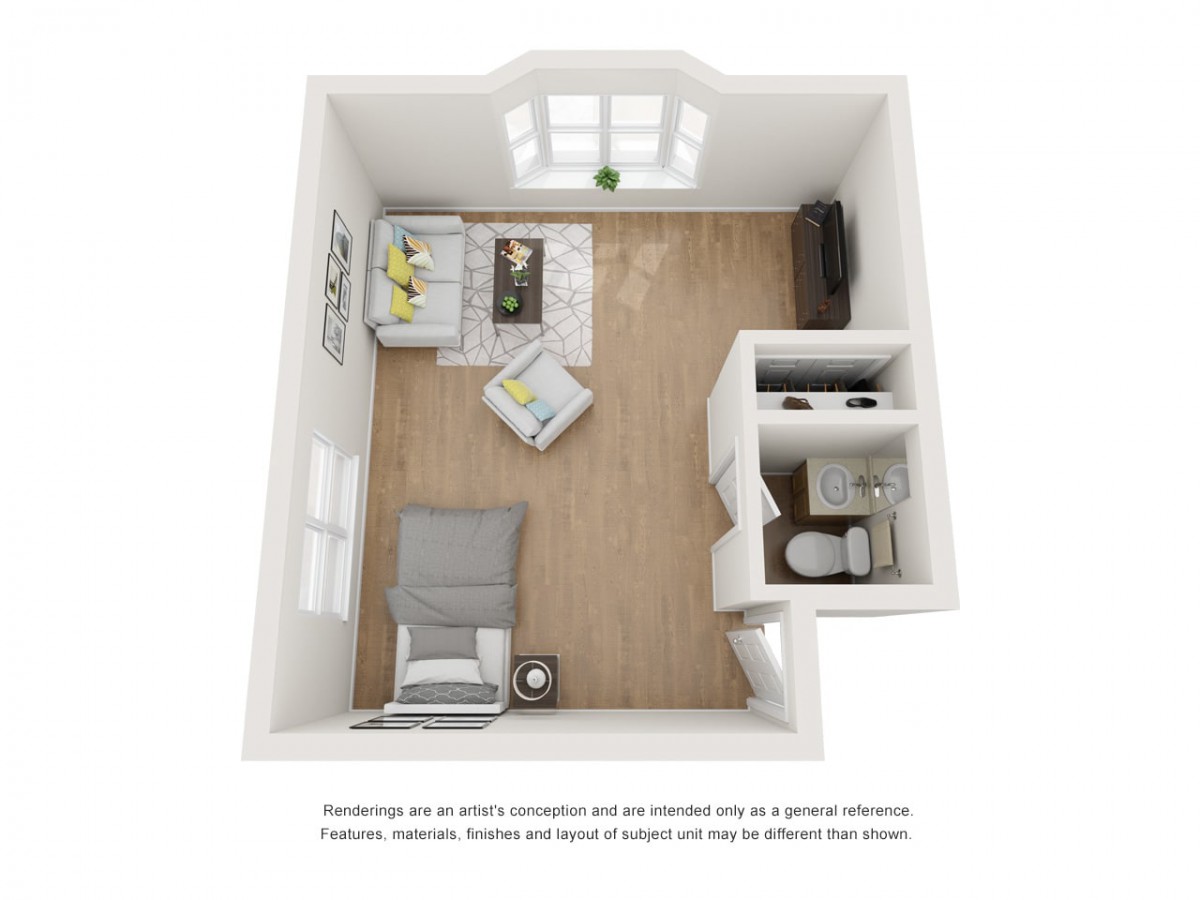
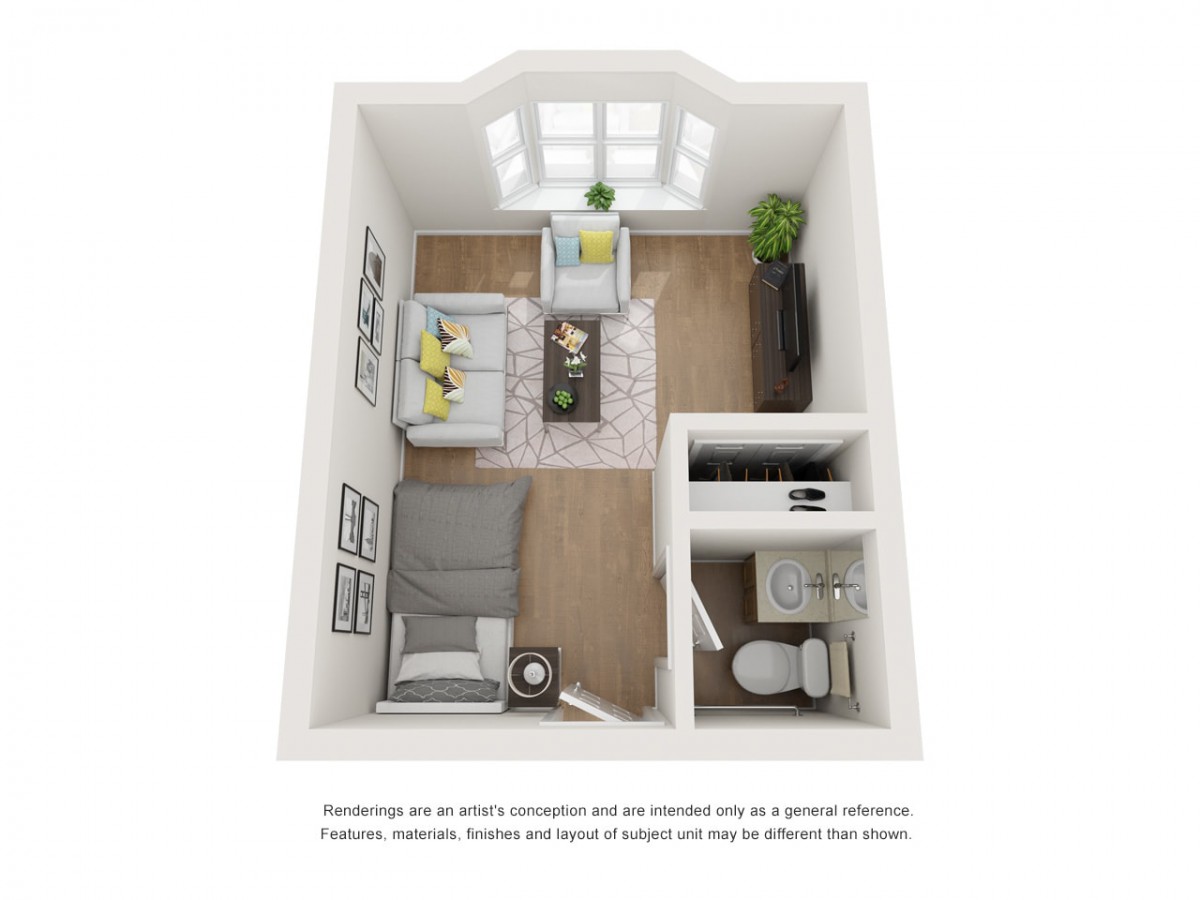
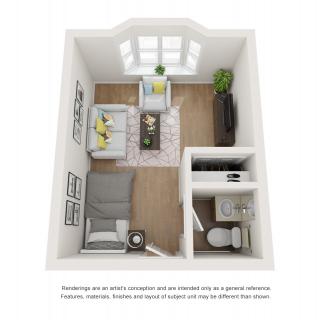
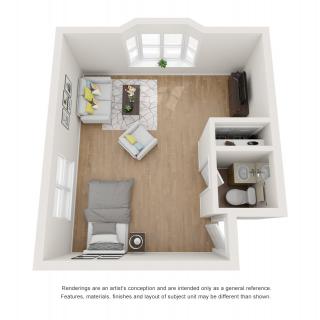
  • Studio apartments Studio apartmentsStudio apartments are important for seniors because they offer a smaller, more manageable living space that is easier to navigate and maintain as physical abilities decline. Additionally, studio apartments provide seniors with independence and privacy while still being part of a community that offers support and social opportunities.

Types of Care

  • Assisted Living Assisted LivingAssisted living facilities provide crucial support and care for seniors who may need help with daily tasks such as medication management, bathing, and meal preparation. These communities offer a safe and comfortable environment where seniors can maintain their independence while receiving the assistance they need to thrive in their golden years.
  • Memory Care Memory CareMemory care is crucial for seniors as it provides specialized support and services for individuals with dementia or Alzheimer's disease. These programs offer a safe and secure environment where residents receive personalized care, cognitive stimulation, and help with daily activities. Memory care helps seniors maintain their independence, quality of life, and dignity while also providing peace of mind for their families.

Amenities

  • Beautician on-site Beautician on-siteHaving a beautician on-site at a senior living community is important for seniors as it allows them to easily access grooming and personal care services, boosting their self-esteem and overall well-being. It also provides convenience and helps seniors maintain their sense of independence and personal style.
  • Beauty salon Beauty salonBeauty salons are important for seniors because they provide a space for them to feel pampered, socialize, and maintain their personal grooming and hygiene. Regular visits to a beauty salon can help boost seniors' self-esteem and overall well-being.
  • Cable or satellite TV Cable or satellite TVCable or satellite TV is important for seniors because it provides entertainment, news, and companionship, helping to combat loneliness and boredom. It also offers a wide range of programming options tailored to different interests and preferences.
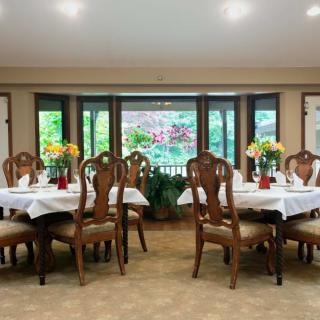
  • Dining room Dining roomDining rooms are important for seniors as they provide a space for socialization, connection, and nutritious meals. They offer opportunities for residents to bond over shared meals, foster a sense of community, and promote healthy eating habits. Dining rooms also ensure that seniors have access to well-balanced meals tailored to their dietary needs and preferences.
  • Fully furnished Fully furnishedFully furnished senior living communities are important for seniors because they provide convenience, comfort, and a hassle-free moving experience. Seniors can easily settle into their new living space without the stress of having to buy and move furniture. This allows them to focus on enjoying their new home and community.
  • Garden GardenGardens are important for seniors as they provide a peaceful and therapeutic environment for relaxation, physical activity, and socialization. Being in nature has been shown to reduce stress, improve mood, and promote overall well-being. Gardens also offer opportunities for seniors to engage in gardening activities, which can improve mobility, flexibility, and cognitive function. Additionally, gardens create a sense of community and connection with others who share a passion for plants and outdoor spaces.
  • Housekeeping services Housekeeping servicesHousekeeping services are important for seniors because they help maintain a clean and safe living environment, promote independence, and reduce the risk of accidents or illnesses. Additionally, having assistance with household chores can alleviate physical strain and allow seniors to focus on other aspects of their well-being.
  • Kitchenette KitchenetteKitchenettes are important for seniors living in senior living communities because they provide the convenience and independence of being able to prepare simple meals and snacks in the comfort of their own living space. This can help promote a sense of autonomy and well-being for seniors, allowing them to maintain some level of control over their dietary choices and daily routines.
  • Move-in coordination Move-in coordinationMove-in coordination is important for seniors because it helps ease the transition into their new living environment. It ensures that all logistics, such as packing, organizing movers, and setting up utilities are taken care of, allowing seniors to focus on settling in and adjusting to their new home. Having a smooth move-in process can alleviate stress and anxiety, making the transition smoother and more enjoyable for seniors.
  • Outdoor space Outdoor spaceOutdoor spaces are important for seniors as they provide opportunities for physical activity, social interaction, exposure to natural light and fresh air, and a sense of connection to nature. Having access to outdoor spaces can improve overall well-being and quality of life for older adults living in senior communities.
  • Respite or short term stays offered Respite or short term stays offeredRespite or short term stays provide seniors with a temporary solution when their regular caregiver is unavailable, offering them the opportunity to receive additional care and support during times of need, while also giving caregivers a chance to rest and recharge.
  • TV room TV roomTV rooms are important for seniors in senior living communities because they provide a space for social interaction, entertainment, and relaxation. Watching TV can help reduce feelings of loneliness and boredom, and create a sense of community among residents. Additionally, TV rooms offer a break from daily routines and can be a source of comfort and familiarity for seniors.
  • Telephone TelephoneTelephones are important for seniors as they provide a lifeline for communication with loved ones, emergency services, and healthcare providers. They offer a sense of security and independence, enabling seniors to stay connected and access assistance when needed.
  • Wi-Fi/high-speed internet available Wi-Fi/high-speed internet availableWi-Fi/high-speed internet is important for seniors to stay connected with loved ones, access online resources, and participate in virtual activities to combat feelings of loneliness and isolation. It also allows them to easily manage healthcare needs, access entertainment, and engage in lifelong learning opportunities.

Transportation

  • Transportation & parking Transportation & parkingTransportation and parking are vital for seniors as they offer access to essential services, activities, and social interactions. Reliable transportation options can help seniors maintain independence, stay connected within their community, and enjoy a higher quality of life. Additionally, convenient parking facilities ensure that seniors can easily access necessary resources and amenities without added stress or difficulty.

Care Services

  • 24-hour call system 24-hour call system24-hour call systems are important for seniors because they provide peace of mind and immediate assistance in case of emergencies. This technology ensures that help is always available, promoting safety and security for elderly individuals living alone or in assisted living facilities.
  • 24-hour supervision 24-hour supervision24-hour supervision is important for seniors to ensure their safety, well-being, and access to immediate assistance in case of emergencies or health issues. This constant support provides peace of mind for both seniors and their loved ones, allowing them to age in place with dignity and security.
  • Activities of daily living assistance Activities of daily living assistanceActivities of daily living assistance are important for seniors because they provide essential support with tasks such as eating, bathing, dressing, and mobility. This assistance helps seniors maintain their independence, dignity, and overall quality of life as they age.
  • Assistance with bathing Assistance with bathingAssistance with bathing is crucial for seniors as it helps maintain personal hygiene, prevents infections, and ensures their overall well-being and comfort. It also provides a sense of dignity and independence for seniors who may struggle with this task on their own.
  • Assistance with dressing Assistance with dressingAssistance with dressing is important for seniors because it helps maintain their independence, promotes personal hygiene, prevents accidents and injuries, and improves overall quality of life. This service ensures that seniors can continue to dress comfortably and confidently, despite any physical limitations they may have.
  • Assistance with transfers Assistance with transfersAssistance with transfers is crucial for seniors as it helps prevent falls and injuries, maintains their independence, and ensures they can safely navigate their living environment. It also provides peace of mind for both seniors and their loved ones.
  • Diabetes diet Diabetes dietA diabetes diet is crucial for seniors as it helps manage blood sugar levels, reduce risks of complications, and improve overall health and well-being. By following a balanced and nutritious diet tailored to their specific needs, seniors can better control their diabetes and enhance their quality of life.
  • Meal preparation and service Meal preparation and serviceMeal preparation and service are crucial for seniors as they may have limited mobility or energy to cook nutritious meals. Having access to healthy and convenient food options can ensure they are getting the proper nutrition needed to maintain their overall health and well-being.
  • Medication management Medication managementMedication management is crucial for seniors to ensure they are taking the right medications at the correct dosages and times. This helps prevent adverse drug interactions, reduces the risk of medication errors, and promotes overall health and well-being. Proactive management also allows for adjustments as needed based on changing health conditions or new prescriptions.
  • Mental wellness program Mental wellness programMental wellness programs are essential for seniors as they promote cognitive stimulation, emotional support, and social engagement. These programs help prevent isolation, depression, and cognitive decline, ultimately enhancing the overall quality of life for older adults.
  • Mild cognitive impairment Mild cognitive impairment"Mild cognitive impairment" is important for seniors because it is an early stage of cognitive decline that can potentially progress to more severe conditions such as dementia. Recognizing and addressing mild cognitive impairment can help seniors receive appropriate care and support to maintain their quality of life and independence for as long as possible.
  • Special dietary restrictions Special dietary restrictionsSpecial dietary restrictions are important for seniors because age-related changes in metabolism and health conditions can make it difficult for their bodies to process certain foods. By following a diet tailored to their specific needs, seniors can maintain their overall health and well-being, manage chronic conditions, and reduce the risk of complications such as malnutrition or food interactions with medications.

  • Specialized memory care programming Specialized memory care programmingSpecialized memory care programming is crucial for seniors with cognitive impairments such as dementia or Alzheimer's disease. These programs provide a safe and supportive environment tailored to the unique needs of individuals with memory loss, helping them maintain their independence, dignity, and quality of life.

Dining

  • Diabetes diet Diabetes dietA diabetes diet is crucial for seniors as it helps manage blood sugar levels, reduce risks of complications, and improve overall health and well-being. By following a balanced and nutritious diet tailored to their specific needs, seniors can better control their diabetes and enhance their quality of life.
  • Special dietary restrictions Special dietary restrictionsSpecial dietary restrictions are important for seniors because age-related changes in metabolism and health conditions can make it difficult for their bodies to process certain foods. By following a diet tailored to their specific needs, seniors can maintain their overall health and well-being, manage chronic conditions, and reduce the risk of complications such as malnutrition or food interactions with medications.

Activities

  • Activities off-site Activities off-siteActivities off-site are crucial for seniors as they provide opportunities for socialization, mental stimulation, and physical activity outside of their usual routine. This helps combat feelings of isolation and boredom, promotes overall well-being, and allows seniors to remain engaged in the community.
  • Community-sponsored activities Community-sponsored activitiesCommunity-sponsored activities are important for seniors as they provide opportunities for social interaction, mental stimulation, and physical activity. These activities can help improve overall well-being, combat loneliness and isolation, and promote a sense of belonging and purpose among older adults.
  • Resident-run activities Resident-run activitiesResident-run activities are important for seniors as they encourage social interaction, creativity, and a sense of autonomy. These activities empower seniors to stay engaged and active in their community while fostering meaningful connections with their peers.
  • Scheduled daily activities Scheduled daily activitiesScheduled daily activities are important for seniors because they provide structure, socialization, mental stimulation, and physical activity. Engaging in regular activities can improve overall well-being and quality of life for seniors living in a community setting.

Description

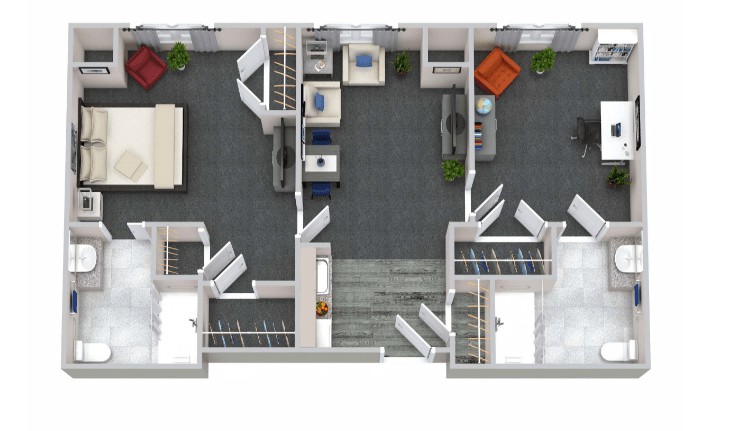
Lakeshore Woods in Fort Gratiot, MI is a premier assisted living community that offers comfortable and convenient living options for seniors. With a variety of housing options including 2-bedroom and studio apartments, residents can choose the space that best suits their needs.

At Lakeshore Woods, the focus is on providing specialized memory care for those with cognitive impairments. A team of dedicated caregivers provides 24-hour supervision and assistance with activities of daily living such as bathing, dressing, and transfers. Medication management is also available to ensure residents receive the proper dosage at the right time.

This community boasts an array of amenities that contribute to a fulfilling lifestyle. Residents can enjoy visiting the beauty salon for some pampering or relax in the TV room or outdoor spaces. Delicious meals are served in the dining room, with special dietary restrictions accommodated. Housekeeping services are provided to maintain a clean and tidy living environment.

Lakeshore Woods also encourages socialization and engagement through various activities. Community-sponsored events and resident-run activities ensure there is always something for everyone's interests. Daily scheduled activities promote mental wellness and offer opportunities for socializing with fellow residents.

Located conveniently near numerous amenities, Lakeshore Woods ensures easy access to essential services. With cafes, parks, pharmacies, physicians, restaurants, places of worship, theaters, and hospitals all nearby, residents have everything they need within close proximity.

Overall, Lakeshore Woods provides a safe and supportive environment where seniors can comfortably live while receiving personalized care tailored to their unique needs.

Nearby Places of Interest

Located in Fort Gratiot, Michigan, this area offers a variety of amenities within close proximity. With numerous dining options such as Jersey Mike's and Red Lobster, seniors can enjoy convenient meal choices nearby. Additionally, there are several pharmacies including Meijer Pharmacy for easy access to medication needs. For entertainment, AMC Birchwood 10 theater is just a short distance away. Those seeking outdoor activities can visit nearby parks like Fort Gratiot County Park On Metcalf or Pine Grove Park. Medical care is readily available with healthcare facilities like Cardiology Associates of Port Huron and McLaren Port Huron Hospital in the vicinity. Places of worship such as St Edward on the Lake Catholic Church are also easily accessible for spiritual nourishment. Transportation is convenient with St Clair County International Airport just a short drive away. Overall, this area provides a range of services and conveniences that cater to senior living needs.

Restaurants

  • Jersey Mike's (0.2 miles)
  • Cheap Charlie's (0.8 miles)
  • Coney Island North (0.9 miles)
  • Red Lobster (1.2 miles)
  • McDonald's (1.4 miles)
  • Denny's (1.7 miles)
  • Taco Bell (1.7 miles)

Pharmacies

  • Meijer Pharmacy (0.4 miles)
  • Walgreens (1.7 miles)
  • Rexall (4.6 miles)
  • Guardians (4.9 miles)
  • CVS Pharmacy (5.2 miles)
  • Front Street Pharmacy (5.7 miles)
  • Shoppers Drug Mart (5.7 miles)

Theaters

  • AMC Birchwood 10 (1 miles)

Cafes

  • Starbucks (1.2 miles)
  • Milkhouse Cafe (2.6 miles)
  • Tim Hortons (3.4 miles)
  • Maria's Downtown Cafe (5.1 miles)
  • Tim Hortons (5.1 miles)
  • Tim Hortons (5.2 miles)
  • The Exquisite Corpse Coffee House (5.4 miles)

Parks

  • Fort Gratiot County Park On Metcalf (2.4 miles)
  • Pine Grove Park (4.5 miles)
  • Port Huron Little League Park (4.7 miles)
  • Kiefer Park (5 miles)
  • Centennial Park (5.2 miles)
  • Lakeport State Park (5.5 miles)
  • Marysville City Park (9.8 miles)

Physicians

  • Cardiology Associates of Port Huron, PC (4.5 miles)
  • Samir Alsawah (4.5 miles)
  • Occupational Health Clinic (4.7 miles)
  • DrSaad Elkelani (4.9 miles)
  • DrK Al-Saadon (5.3 miles)
  • Dr. Hynes Brian (5.4 miles)
  • Dr. Thomas B Lacroix (5.7 miles)

Hospitals

  • McLaren Port Huron (4.5 miles)
  • Mercy Business Health Services (6.5 miles)
  • St Joseph Mercy Port Huron (6.5 miles)

Places of Worship

  • St Edward on the Lake Catholic Church (4.6 miles)
  • St John's United Church of Christ (5.4 miles)
  • St Joseph's Catholic Church (5.7 miles)
  • St Martin Lutheran Church (5.7 miles)
  • Griswold Street Baptist Church (5.8 miles)
  • Jeddo United Methodist Church (9.7 miles)

Transportation

  • St Clair County International Airport (PHN) (10.3 miles)

Frequently Asked Questions

What floor plans and room types does Lakeshore Woods offer?
Where is Lakeshore Woods?
Does Lakeshore Woods provide care for residents with dementia or Alzheimer's disease?
What photos are available for Lakeshore Woods in Fort Gratiot, Michigan?

Nearby Communities

  • Lakeshore Woods,  A Randall Residence

    Lakeshore Woods, A Randall Residence

    Fort Gratiot, MI

    4.6 from 68 reviews
    $3,800 / month

    pro Warm, family?style environment with compassionate, attentive staff.

  • The Manor

    The Manor

    Fort Gratiot, MI

     
    $2,000 to $2,400 / month

    pro Competitive pricing for semi-private and private rooms with strong nearby amenities and healthcare access.

  • Lakeshore Woods II

    Lakeshore Woods II

    Fort Gratiot, MI


    pro Specialized memory care with 24/7 supervision and ADL assistance.

  • Holiday Blue Water Lodge

    Holiday Blue Water Lodge

    Fort Gratiot, MI

    4.4 from 107 reviews
    $2,369 to $3,509 / month

    pro Vibrant, welcoming community with attentive staff and diverse activities.

  • ComForcare Home Care St. Clair

    ComForcare Home Care St. Clair

    Fort Gratiot, MI


  • The Village of Lake Huron Woods

    The Village of Lake Huron Woods

    Fort Gratiot Twp, MI

    4.3 from 26 reviews
    $1,225 to $1,500 / month

    pro Engaging activities with attentive staff.

  • Visiting Angels Living Assistance

    Visiting Angels Living Assistance

    Port Huron, MI


    pro Convenient, activity-rich setting with easy access to parks, dining, pharmacies, and healthcare.

  • Sandalwood Creek

    Sandalwood Creek

    Kimball, MI

    4.3 from 39 reviews
    $3,200 to $3,700 / month

    pro Location convenient for family visits with on-site medical support.

  • Sage Creek Senior Living,  LLC

    Sage Creek Senior Living, LLC

    Memphis, MI

    4.4 from 9 reviews
    $2,500 / month

    pro Smooth move-in, attentive staff, tasty meals, comfortable rooms with woodland views, and a smaller group home for residents needing supervision.

Related Resources

  • list of drugs linked to dementiaA Thorough Discussion of Medications Potentially Linked to Dementia Risk

    Dementia, influenced by aging and certain medications, may be exacerbated by drug classes such as anticholinergics, benzodiazepines, and antipsychotics, which are associated with cognitive impairment. Regular medication reviews by healthcare professionals are crucial for older adults to manage risks and optimize cognitive health.

  • do dementia patients sleep a lotWhy Do Dementia Patients Sleep So Much? Understanding Oversleeping, Stages, and Care Approaches

    Dementia often results in disrupted sleep patterns, leading to excessive daytime sleeping due to factors like brain damage affecting circadian rhythms, medication side effects, and lack of structure in daily activities. Caregivers must monitor these changes closely, as oversleeping can increase risks such as malnutrition or dehydration, and provide necessary support and routines to enhance patient engagement and well-being.

  • when to move from assisted living to nursing home8 Key Indicators That Suggest It May Be Time to Transition from Assisted Living to Skilled Nursing Care
    The transition from assisted living to skilled nursing care is often prompted by complex medical needs that assisted living cannot meet, with key indicators including frequent health declines, increased falls, severe memory issues, and caregiver burnout. Families should recognize these signs early to discuss options with healthcare providers and prepare for the emotional and logistical aspects of moving to a facility that offers comprehensive medical support.