For more information about senior living options: (866) 208-4318
3.5 from 28 reviews
5 stars
15
4 stars
2
3 stars
2
2 stars
0
1 stars
9
Living Joy of Flushing Costs & Pricing
Living Joy of Flushing offers competitive pricing for its accommodation options relative to both Shiawassee County and the broader state of Michigan. For a semi-private room, residents are charged $3,500 per month, which is notably higher than the county average of $3,098 but slightly lower than the state average of $3,191. Meanwhile, the studio rate at Living Joy is set at $3,800 per month, which positions it slightly below the county's average of $3,835 and the state average of $3,824. This pricing structure suggests that while Living Joy may carry a premium for its semi-private offerings compared to local benchmarks, it remains an attractive option for studio accommodations within the wider regional context. Overall, residents can expect a thoughtful balance of cost and quality in this welcoming community.
Floor plans
Living Joy of Flushing
Shiawassee County
Michigan
Semi-Private
$3,500
$3,098
$3,189
Studio
$3,800
$3,835
$3,824
Memory care communities with a similar price nearby
Residents and families describe staff who are caring, attentive, and quick to help.
Across the reviews, residents are described as safe and well cared for, with staff meeting needs and staying focused on day-to-day support. Multiple families specifically mention responsiveness—showing up when called, handling concerns promptly, and assisting quickly if something urgent comes up. Several comments also describe kindness beyond tasks, including staff interacting warmly and treating residents with respect.
common9 reviews mention this
Clean, well kept environment
Residents and visitors often mention a clean, well maintained facility.
Many reviews highlight cleanliness, including neat, organized spaces and an environment that feels clean and cared for. Some families also note grooming and overall presentation as part of what they liked. A smaller set of reviews takes the opposite view, describing odors and poor laundering, including stained towels and inadequate cleaning.
caveat5 reviews mention this
Meals get mixed reactions
Food quality is sometimes praised, but meal variety draws complaints.
Some families report good-tasting meals, with one review describing hot food served on individual plates and another saying meals were well balanced. Others raise concerns that meal options are limited or that dinner becomes repetitive, including one account that describes soup and sandwiches being served nightly. Overall, dining appears to split between consistent positives and specific complaints about variety.
common4 reviews mention this
Communication and family involvement
Families mention being kept in the loop and welcomed at events.
Several reviews describe strong communication, including being updated right away when changes or problems arise. One family also mentions the facility encouraging social connection and involvement through shared events. At the same time, at least one reviewer claims the community does not want families involved, which is a notable point of friction compared with the more positive accounts.
caveat4 reviews mention this
Leadership complaints and negative experiences
A subset of reviews is sharply negative about leadership and handling of issues.
While many reviews emphasize supportive care, multiple negative reviews focus on leadership, describing dismissive attitudes and promises that were not fulfilled. Some also describe problems with belongings and clothing, along with concerns about overmedicating or poor follow-through. These accounts stand out because they directly challenge trust in how concerns are addressed.
How we summarize
Counts show how many written reviews mention each theme; a review can touch several themes, and only frequently mentioned themes are displayed.
Features
Housing
Studio apartments
Types of Care
Assisted Living
Memory Care
Pets
Cats allowed
Dogs allowed
Amenities
Activities on-site
Bath tubs
Devotional services off-site
Dining room
Financial aid
Financing advice
Guasts at mealtime
Home sale assistance
Housekeeping services
Indoor common areas
Laundry
Respite or short term stays offered
VA Benefits Consultation
Wheelchair accessible showers
Transportation
Bishop (8 miles away)
Care Services
Ambulatory care
Diabetic care
Incontinence care
Medication management
Walking wheelchair assistance
Dining
Meals provided
Special dietary restrictions
Activities
Activities on-site
Arts and crafts
Devotional activities offsite
Languages Spoken
English
Nearby Places of Interest
This part of Flushing, Michigan offers a variety of amenities and services that cater to seniors looking to reside in the area. With numerous dining options such as Taco Bell, Wendy's, and Liberty Family Dining within close proximity, there is no shortage of choices for convenient meals. Additionally, pharmacies like Kroger Pharmacy and Walgreens are nearby for easy access to medications and healthcare needs. For medical care, there are several physician offices nearby including Flushing Family Care and Mid-Michigan Kidney and Hypertension Specialists, PC. In terms of religious services, there are multiple places of worship including Trinity Baptist Church and St Robert Catholic Church within a short distance. Should emergency medical attention be required, McLaren Health Care Corporation hospital is conveniently located in the vicinity. Parks like Flushing County Park offer opportunities for outdoor recreation and enjoyment. Overall, this neighborhood provides a range of amenities suitable for senior living in a safe and accessible community setting.
Restaurants
Taco Bell (0.1 miles)
Wendy's (0.2 miles)
Liberty Family Dining (0.7 miles)
Big John Steak & Onion (2.2 miles)
Bongiornos Pizza (2.3 miles)
Halo Burger (2.3 miles)
Red Lobster (2.4 miles)
Pharmacies
Kroger Pharmacy (0.1 miles)
Walgreens (0.2 miles)
Rite Aid (2.1 miles)
Villa Linde Pharmacy (3.4 miles)
Linden Pharmacy (4.2 miles)
Health Mart Pharmacy (4.2 miles)
Good Neighbor Pharmacy (4.8 miles)
Physicians
Flushing Family Care (0.4 miles)
Neurology Clinic (2 miles)
Mid-Michigan Kidney and Hypertension Specialists, PC (3.7 miles)
Regional Medical Imaging Villa Linde (3.8 miles)
Denny Martin DO (3.9 miles)
Michigan Pediatric (3.9 miles)
Chart Endoscopy Center (4.1 miles)
Places of Worship
Trinity Baptist Church (0.4 miles)
Holy Cross Lutheran Church (0.7 miles)
St Robert Catholic Church (1.9 miles)
House of Prayer Missionary Baptist Church (4.6 miles)
St John Vianney Church (5.6 miles)
Hospitals
McLaren Health Care Corporation (1.1 miles)
Children's Hospital of Michigan - Hurley Pediatric Surgery Clinic (4 miles)
Mclaren Partial Day Treatment Facility (5.2 miles)
Living Joy of Flushing offers competitive pricing for its accommodation options relative to both Shiawassee County and the broader state of Michigan. For a semi-private room, residents are charged $3,500 per month, which is notably higher than the county average of $3,098 but slightly lower than the state average of $3,191. Meanwhile, the studio rate at Living Joy is set at $3,800 per month, which positions it slightly below the county's average of $3,835 and the state average of $3,824. This pricing structure suggests that while Living Joy may carry a premium for its semi-private offerings compared to local benchmarks, it remains an attractive option for studio accommodations within the wider regional context. Overall, residents can expect a thoughtful balance of cost and quality in this welcoming community.
Living Joy of Flushing's medication management ensures that residents receive their prescribed medications on time and in the correct dosages, which is crucial for those with dementia or Alzheimer's disease who may struggle with memory and organization. This systematic approach not only reduces the risks associated with missed doses or potential overdoses but also helps to maintain a stable routine, which can be comforting for individuals experiencing cognitive decline. Additionally, incontinence care is tailored to meet the unique needs of residents while promoting dignity and respect; it alleviates anxiety and discomfort related to incontinence issues that often accompany memory disorders. By providing compassionate assistance in this area, staff can help residents feel more at ease, allowing them to focus on engaging in daily activities without the stress of managing such personal challenges. Together, these features create a supportive environment that fosters well-being and enhances quality of life for those living with memory impairments.
Dementia is characterized by cognitive decline, with nutrition playing a vital role in brain health; while no specific diet can prevent or reverse it, a nutrient-dense diet rich in antioxidants and healthy fats may support cognitive function. The MIND diet, which emphasizes beneficial foods and limits processed items, along with proper hydration and individualized meal strategies, can enhance the well-being of dementia patients.
Dementia affects memory and cognitive function in older adults, presenting challenges for caregivers due to behavioral changes such as confusion and mood swings. Compassionate, person-centered care that considers individual history and preferences, along with effective communication and environmental modifications, is essential for supporting both patients and their caregivers.
Dementia leads to cognitive impairment and can cause emotional and behavioral changes, including aggression that arises from frustration, confusion, or fear. Effective coping strategies for caregivers include understanding dementia's nature, recognizing triggers, using empathetic communication, and employing non-pharmacological interventions like music and art therapy.
Get PricingAsk A QuestionSchedule A TourContact Senior Advisor
By clicking submit, you agree to our Partner's Terms of Use. You
also consent to receive calls and texts, which may be autodialed, from our Partner. Your consent is not a condition to
using our Partner's service. Please visit our Partner's Privacy Policy for information about their privacy practices.

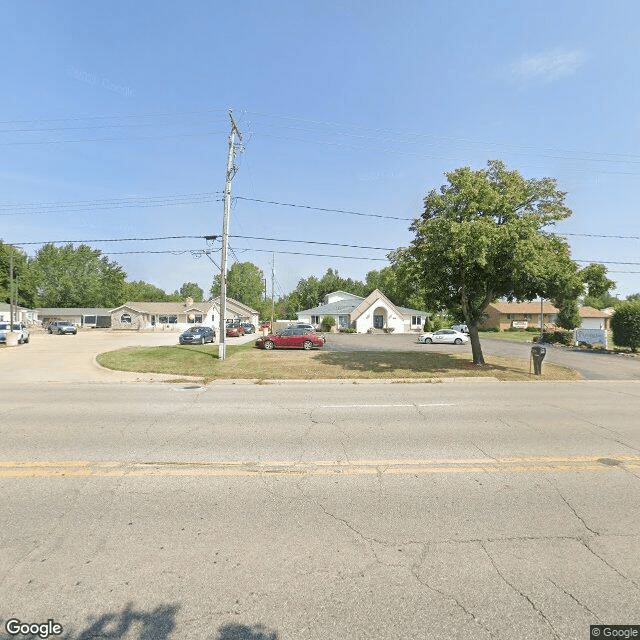

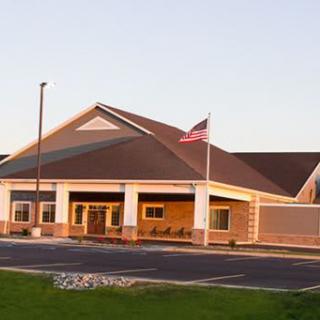
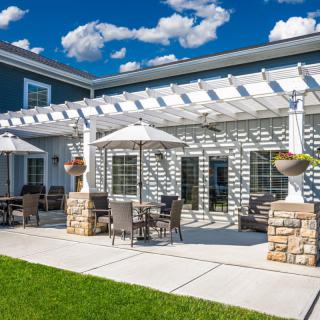
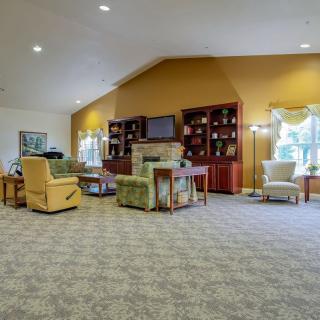
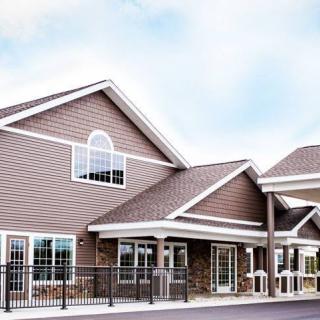
 Studio apartments
 Assisted Living
 Memory Care
 Cats allowed
 Dogs allowed
 Activities on-site
 Bath tubs
 Devotional services off-site
 Dining room
 Financial aid
 Housekeeping services
 Indoor common areas
 Laundry
 Respite or short term stays offered
 Wheelchair accessible showers
 Bishop (8 miles away)
 Ambulatory care
 Diabetic care
 Incontinence care
 Medication management
 Walking wheelchair assistance
 Meals provided
 Special dietary restrictions
 Arts and crafts
 English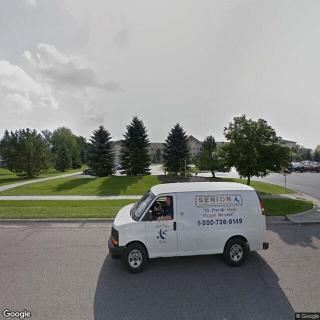
 Very affordable rents (1BR from $698; 2BR from $795) with on-site beautician and active social events.
 Nourishing the Mind: Essential Dietary Approaches for Dementia
 Understanding Dementia Behaviors: Practical Insights and Strategies for Caregivers
 When Dementia Sparks Anger and Aggression: Understanding the Connection and Ways to Cope