
2201 W Carpenter Rd, Flint, MI 48505
To contact a resident: (810) 789-2400
For more information about senior living options: (866) 208-4318
Slidell Senior Citizens Residence Costs & Pricing
At Slidell Senior Citizens Residence, the monthly costs for accommodation are notably more affordable compared to both Genesee County and broader Michigan averages. The price for a one-bedroom unit is $676, significantly lower than the county's average of $3,121 and the state average of $3,384. Similarly, two-bedroom units at Slidell are priced at $738, which again stands in stark contrast to Genesee County's average of $2,519 and Michigan's average of $3,523. This pricing structure positions Slidell Senior Citizens Residence as a cost-effective option for seniors seeking quality living arrangements without straining their financial resources.
| Floor plans | Slidell Senior Citizens Residence | Genesee County | Michigan |
|---|---|---|---|
| 1 Bedroom | $676 | $3,121 | $3,384 |
| 2 Bedrooms | $738 | $2,519 | $3,523 |
Senior living communities with a similar price nearby
-
from +$101 / mo
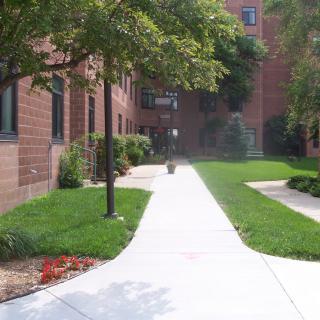
Braidwood Manor
$777 / month11.2 miles away -
from +$101 / mo
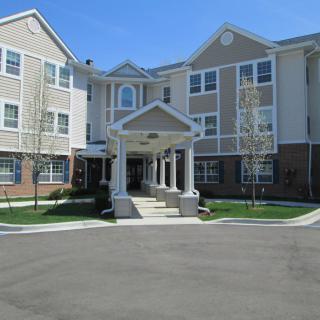
Ballard Village
$777 / month11.6 miles away -
from -$131 / mo
Hidden Hollow
$545 / month17.3 miles away -
from +$22 / mo
Cedarwood Apartments
$698 to $795 / month4.4 miles away -
from -$36 / mo
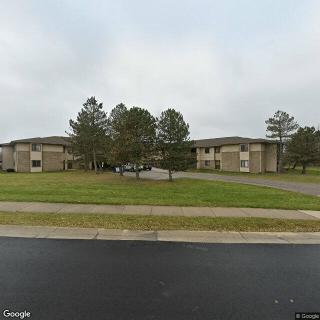
Grand Meadows II Senior Apartments
$640 to $760 / month12.0 miles away
Overall Review of Slidell Senior Citizens Residence
Pros
 The management is nice.
- Neighbors look out for one another.
- The facility is remodeled, clean, and orderly.
Cons
 The management sucks.
- The office manager is rarely in the office and never returns calls.
- The facility has numerous health, housing, and civil rights violations and should be shut down or fixed properly now.
- Security personnel are described as physically abusive.
- There are roaches, bed bugs, crack heads and dealers.
- It gets really hot in the summer and many seniors can’t afford air conditioning.
- The back apartments appear forgotten or neglected.
- Parking blocks the entrance to one side of the security booth.
Review
Slidell Senior Citizens Residence in Flint, Michigan is best suited for budget-conscious seniors who need affordable, income-based housing and value a neighborly, low-frills atmosphere over polish and high-touch services. This community serves residents who can tolerate uneven management oversight and maintenance responsiveness because cost containment comes with trade-offs in basic safety assurances and everyday comforts. Families should be prepared to consider alternatives if dependable management, predictable safety standards, and consistently well-maintained interiors are non-negotiable. For those prioritizing affordable housing tied to HUD, and who can tolerate variability in service levels, Slidell can be a workable option with careful expectations set.
The few brighter notes center on affordability and a sense of community. The facility has been described as remodeled, clean, and orderly at times, which matters when rent is already constrained by income-based housing. Some tenants report that neighbors watch out for one another, and that management, on balance, is approachable and personable. Those elements can reduce isolation and provide a basic social infrastructure that often accompanies lower-cost housing. In a market where monthly expenses loom large, the combination of affordable housing and a modestly updated physical plant can feel like a reasonable compromise for residents who want to remain in the area without draining savings.
Yet the negatives are persistent and substantial. Management reliability is a frequent point of contention, with complaints about difficulty reaching the office, unreturned calls, and an impression that staff responsiveness varies by day or mood. Security and access issues appear to be a recurring worry, including instances where entrances are blocked or not properly supervised, creating real inconveniences for elderly or disabled residents who depend on predictable access. The most troubling disclosures center on living conditions and safety: credible-seeming reports of roaches and bed bugs, and mentions of civil rights or criminal activity concerns. Taken together, these factors create a backdrop of unease that even enthusiastic tenants must acknowledge when assessing long-term suitability.
In balancing the ledger, the favorable elements do not fully compensate for the most serious drawbacks. The presence of some remodeling and tidy common spaces suggests ongoing investment, but that effort is undermined if pest control lapses and climate comfort remains inconsistent. Summer heat emerges as a concrete, lived problem, with a legitimate complaint that not all seniors can offset with personal air conditioning. When pests, safety concerns, and maintenance delays collide, the resulting experience skews toward instability. The affordability and basic social fabric become less attractive once the risk of health and safety disruptions dominates daily life. The practical takeaway is that cost savings cannot erase the reality of unresolved maintenance gaps and the perception that management struggle to address urgent resident needs.
For families making a decision, a rigorous, evidence-driven due-diligence process is essential. Prospective residents should request multiple visits at different times of day to observe maintenance responses, speak directly with current tenants about their experiences, and obtain concrete timelines for service requests. Insist on a written pest-control schedule, and verify whether there is an effective plan for heat mitigation, whether through building systems or permitted individual units. Clarify security protocols, incident reporting procedures, and accountability measures for staff, ensuring these are anchored in the lease and house rules. Verify HUD terms, rent calculations, and renewal implications so that affordability does not become a shadow over ongoing stability. A transparent, documented commitment from management to address the most frequently raised concerns is non-negotiable before move-in.
Bottom line: Slidell Senior Citizens Residence operates as a practical, budget-oriented option for seniors who prioritize affordability and a modest sense of community over premium services and flawless management. It is not a fit for households that require consistently strong management oversight, rapid maintenance, rigorous pest control, reliable climate comfort, and a consistently calm security environment. Alternatives should be strongly considered for families seeking higher reliability, clearer lines of accountability, and more predictable safety. If this option is pursued, approach with a structured plan: verify management responsiveness upfront, secure written maintenance and pest-control protocols, and demand binding commitments on safety and accessibility. The decision rests on balancing financial constraints with the essential need for a stable, safe, and manageable living environment.
 1-bedroom apartments
 Active Adult Communities (55+)
 Cable or satellite TV
 Computer center
 Full kitchen
 Guest parking
 Wi-Fi/high-speed internet available
 Bishop (8 miles away)
 Transportation & parking
 Fitness programs

 Understanding the Nuances of Palliative Care and Hospice: A Comprehensive Exploration
 Fecal Incontinence in Older Adults: A Comprehensive Guide
 Recognizing the Journey: Understanding and Navigating Anticipatory Grief