
1446 Mabel Avenue, Flint, MI 48506
For more information about senior living options: (866) 208-4318
Overall Review of Sincere Adult Foster Care Home
Pros
 The facility is great.
Cons
 It is the worst place the reviewer has ever seen.
- The staff do not work things out with residents or their families.
- The management is accused of taking money and doing nothing for the tenants.
- When problems occur, tenants are immediately given a 30-day notice to vacate.
- AFC homes are reportedly not taking tenants to the movies or organizing any outside activities.
Review
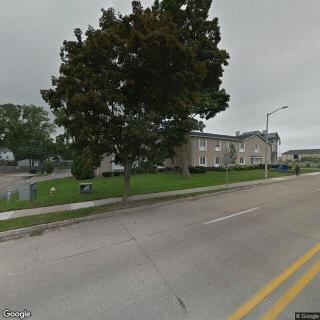
Sincere Adult Foster Care Home in Flint is best suited for families seeking a small, home‑like setting where daily living is managed with a personal touch and where ongoing family involvement can serve as the primary mechanism for advocacy. The facility’s physical environment appears clean, comfortable, and manageable, which appeals to residents who do not require intensive medical oversight but still need reliable daily support. This community tends to reward households that can facilitate direct communication with the operator and participate actively in problem resolution. In short, it serves as a viable option for those prioritizing a homelike atmosphere and straightforward, low‑to‑moderate care needs, provided expectations are aligned with the realities of a small AFC operation.
Conversely, alternatives should be on the table for families prioritizing consistent issue resolution, transparent billing practices, and stable residency terms. The reviews point to tense or limited avenues for addressing concerns, including reports of abrupt 30‑day notices when problems arise. For seniors who depend on steady advocacy, predictable policies, and prompt responses to questions, the risk of abrupt changes or dispute handling delays can be substantial. Likewise, families seeking regular social programming, organized outings, and routine activities, such as trips to the movies, may find the programming gaps limiting. In such cases, exploring other AFCs or larger assisted‑living settings with clearer processes is advisable.
The strongest positives here revolve around the homey ambiance and the potential for closer, more individualized attention in a smaller setting. A well‑maintained living environment can translate into fewer sensory stressors and a sense of security, which matters for residents who flourish with routine and familiar faces. These advantages can partially offset the drawbacks when family members are active and responsive partners in care, stepping in to coordinate services and monitor well‑being. For residents with modest daily care needs and a preference for less bureaucratic oversight, the intimate scale may offer a comfort level that larger facilities struggle to replicate.
But the primary drawbacks cannot be overlooked. The most significant risk is the apparent fragility of problem resolution and communications. When concerns are not met with timely, constructive responses, trust deteriorates quickly, and the resident’s comfort and safety can be compromised. Add to that the eviction threat in the form of 30‑day notices, and the sense of financial and residential security erodes further. The limited array of organized activities also stands out. For residents who count on social engagement to sustain mobility, mood, and curiosity, the lack of regular outings or group events becomes a meaningful constraint that can overshadow the benefits of a home‑like setting.
To navigate a potential placement, implement practical and rigorous due diligence. Begin by requesting a face‑to‑face discussion with the owner or primary caregiver to map out communication workflows, dispute resolution steps, and escalation paths. Obtain a written care plan that details services, staffing levels, med management procedures, and contingency plans for health changes. Scrutinize the contract for eviction policies, notice periods, and any penalties, ensuring alignment with state AFC regulations and personal risk tolerance. Request a calendar of typical weekly activities and clarify expectations around family involvement in daily routines. Finally, compare costs and included services with similarly sized AFC homes to judge true value versus risk.
Ultimately, the decision hinges on tolerance for management gaps against the appeal of a compact, homelike environment. If stability, proactive problem management, and consistent social programming are musts, this community may be a mismatch and alternatives should be pursued first. For families ready to assume an active advocacy role, who value a comfortable, intimate setting, and who can tolerate variable responsiveness in exchange for a warmer, more personalized living space, Sincere Adult Foster Care Home can still be a reasonable fit. The prudent approach emphasizes direct conversations, concrete contracts, and a clear plan for maintaining continuity of care, and, when those elements are uncertain, exploring other options becomes the responsible course.
 6 resident community capacity
 Assisted Living
 Cable or satellite TV
 Dining room
 Fully furnished
 Garden
 Housekeeping services
 Move-in coordination
 Outdoor space
 Telephone
 Wi-Fi/high-speed internet available
 Bishop (6 miles away)
 24-hour supervision
 Activities of daily living assistance
 Assistance with bathing
 Assistance with dressing
 Assistance with transfers
 Diabetes diet
 Meal preparation and service
 Medication management
 Special dietary restrictions
 Transportation arrangement (medical)
 Transportation to doctors appointments



 Funding and Affording Assisted Living: A Thorough Overview
 Assisted Living Expenses and Long-Term Care Insurance: A Comprehensive Exploration
 Securing Financial Support for Assisted Living: A Comprehensive Overview