
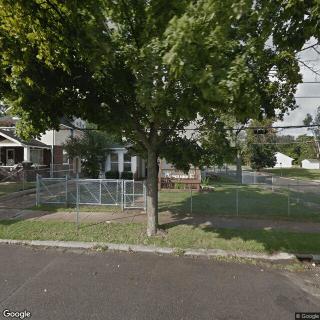
1027 West Second Street, Flint, MI 48503
For more information about senior living options: (866) 208-4318
Overall Review of Perkins Adult Foster Care Home
Pros
 The facility is great.
Cons
 It is the worst place the reviewer has ever seen.
- The staff are not inclined to work things out with tenants or their families.
- They want to take the money and do nothing for the tenants.
- When a problem arises, they immediately issue a 30-day notice to vacate.
Review
Perkins Adult Foster Care Home in Flint is best suited for seniors who want a small, home-like setting with personal, hands-on care. The setting tends to feel intimate rather than institutional, which can translate into more direct contact with caregivers and a simpler daily rhythm. This can work well for families prioritizing a warm, door-to-door living environment over a large-scale campus experience. The trade-off is that the AFC may fall short on the more formal supports, predictable operations, and fully developed programming that larger operators routinely offer. For families needing a clearly defined grievance process, steady administrative reliability, and consistent long-term stability, alternatives deserve serious consideration.
Those who should consider other options include families where consistent problem resolution and transparent policies are non-negotiable. Accounts from reviewers hint at gaps in responsiveness and, in some cases, abrupt notices to vacate after issues arise. Programs that emphasize structured activity calendars, outward-facing engagement, and a robust activity director may better serve residents who rely on regular social opportunities and scheduled outings. If a strong sense of administrative clarity and predictable, day-to-day operations is essential, exploring larger or more established facilities is prudent.
The most tangible pros of Perkins AFC, its facility appeal and the intimate care setting, can meaningfully offset some concerns for residents who value a home atmosphere and closer staff relationships. A smaller context often means easier access to caregivers, quicker recognition of needs, and less bureaucratic friction in day-to-day care. However, these strengths are tempered by notable drawbacks highlighted in reviews: difficulty in resolving problems promptly, questions about fiscal fairness, and the possibility of sudden removal from the community. When the focus is on consistent governance and proactive family communication, the downsides begin to loom larger.
A core red flag in several comments is the impression that problems are not handled promptly or transparently, with at least one strong claim about eviction for addressing issues. While that perspective cannot be assumed to define every interaction, it signals a real risk: residents or families may face abrupt policy actions if friction arises. Coupled with limited evidence of active, structured outside activities, this raises a quality-of-life question for residents who rely on social programming to stay engaged. Prospective families should investigate how concerns are tracked, who mediates disputes, and what safeguards exist to prevent sudden removals.
Practically, evaluating Perkins AFC requires a disciplined checklist before deciding. Request a detailed explanation of the care plan process, including how residentsā€™ needs are reassessed and who reviews changes. Ask for a copy of the grievance and eviction policy, along with recent examples of how concerns were resolved. Visit at different times, talk with current residents and families, and observe mealtime safety, cleanliness, and staff responsiveness. Inquire about staff tenure, training, and the cadence of activities, whether outings, entertainment, or on-site enrichment are routine or ad hoc. A clear picture should emerge: is this a compassionate, high-touch environment that also maintains reliable operations, or is the home prone to instability and abrupt policy shifts?
The bottom line is decisive. Perkins AFC can be a good fit for residents who prize a home-like ambiance, direct caregiver interaction, and a straightforward daily routine, provided management demonstrates reliability and open lines of communication. For families where consistent problem-solving, transparent policies, and robust programming are non-negotiable, alternatives, whether other AFCs or larger scaled assisted living communities, should be prioritized without hesitation. The decision hinges on balancing the comfort and intimacy of a small, personal setting against the need for steady governance and predictable, resident-centered programming.
 6 resident community capacity
 Assisted Living
 Cable or satellite TV
 Dining room
 Fully furnished
 Garden
 Housekeeping services
 Move-in coordination
 Outdoor space
 Telephone
 Wi-Fi/high-speed internet available
 Bishop (4 miles away)
 24-hour supervision
 Activities of daily living assistance
 Assistance with bathing
 Assistance with dressing
 Assistance with transfers
 Diabetes diet
 Meal preparation and service
 Medication management
 Special dietary restrictions
 Transportation arrangement (medical)
 Transportation to doctors appointments

 Comprehensive Supportive Living Arrangements for Adults with Disabilities
 Funding and Affording Assisted Living: A Thorough Overview
 Assisted Living Expenses and Long-Term Care Insurance: A Comprehensive Exploration